
You can spend fifty episodes building relationships, mysteries and character arcs. Then you get roughly twenty minutes to convince everyone it mattered.
Most series do not manage it. A weak finale does not just disappoint — it becomes the thing people mention first, forever. These 20 got it right, judged on character closure, resolution of the actual central conflict, emotional payoff that was set up rather than introduced, and whether the ending still fits the show that led to it.
Every entry below keeps its premise in the open and hides the ending behind a Spoilers — how it ends toggle. Nothing is revealed unless you open it, so the list is safe to read for series you have not finished.
What anime has the best ending?
Steins;Gate has the best ending in anime. It resolves a time-travel plot without cheating and makes the payoff feel earned rather than granted, which is the hardest thing a finale can do.
For sheer completeness, Fullmetal Alchemist: Brotherhood. For the boldest final act, Code Geass. For the one people will still be arguing about in a decade, Attack on Titan. All 20 are below.
- Endings Ranked
- 20
- Oldest Entry
- 1998
- Saddest Picks
- 5
- Genres Covered
- 10
How this list is ranked
A good ending is not a happy ending. Several of the best here are outright devastating. What earns a place is whether the conclusion fits the story that produced it — whether the characters end as the people they became, whether the central conflict actually resolves, and whether the last act reinforces what the series was about rather than changing the subject.
Divisiveness is not a disqualification. Attack on Titan, Death Note and Code Geass are all still argued about years later, and that is evidence of a decisive ending rather than a weak one. A finale nobody discusses is the actual failure. Where an ending is contested, the entry says so and says what the objection is.
One editorial note. The draft this grew from was titled as 25 entries, but ranked Steins;Gate at three separate positions, Code Geass at three, and Assassination Classroom at two — five duplicate slots. Its closing summary table also disagreed with its own body ordering. Every series is kept once here, at its highest placement, and the list is renumbered 1 to 20. Nothing was invented to pad it back to 25.
The 20 best anime endings
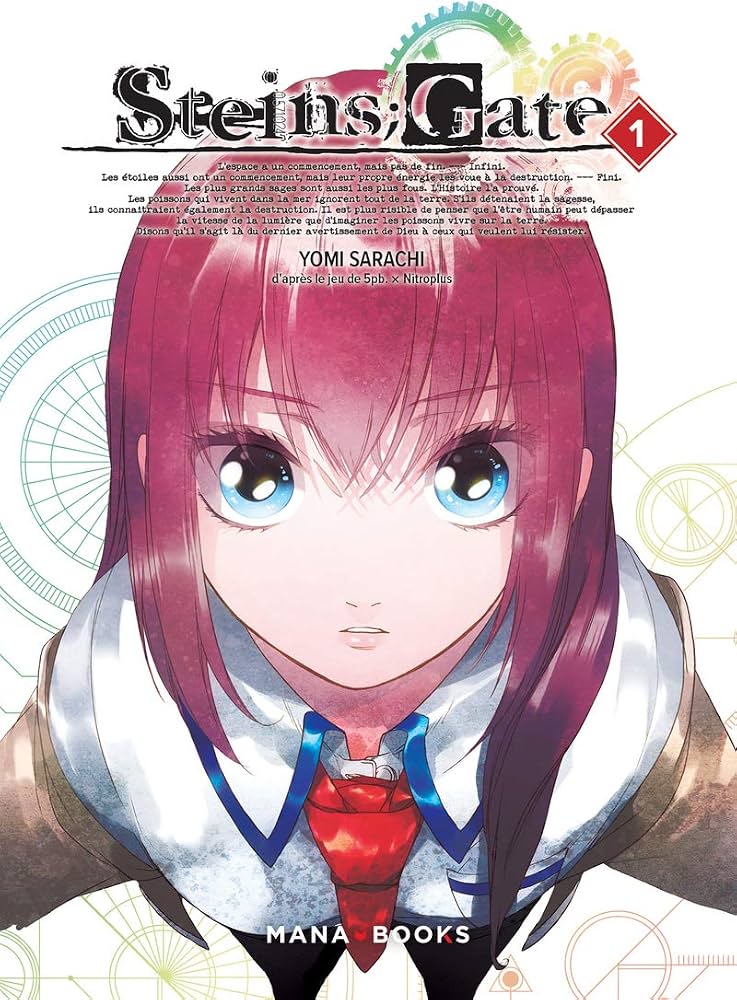
1. Steins;Gate
24 episodes · White Fox
Okabe and his friends build a microwave that sends text messages into the past. It works. Everything that follows is the bill for that discovery, and Okabe is the only person who remembers what each attempt cost.
Spoilers — how it ends
What makes it land is that the solution is not power. Okabe cannot out-fight anything; he has to out-think a problem while carrying the memory of every failure, and the final plan requires him to deceive the people he is saving and to accept that the version of events he wants cannot exist. The last stretch reframes an early scene you were never meant to understand the first time, and the reveal costs nothing in logic. Time-travel stories usually collapse under their own rules at the end. This one tightens.
Why the ending works: The payoff is earned rather than granted, which is the whole test of a finale.
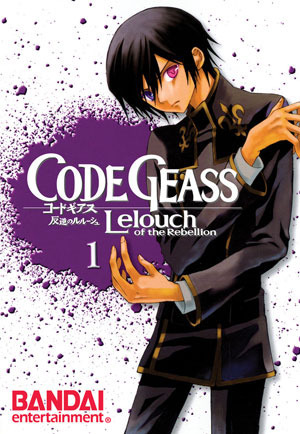
2. Code Geass
50 episodes · Sunrise
Lelouch is given the power to command absolute obedience and uses it to wage war on an empire. He asks, repeatedly, whether the ends justify the means. The series spends fifty episodes refusing to answer.
Spoilers — how it ends
The finale makes him answer it himself, and the answer costs him everything. The last sequence works because it is not a victory — it is a man accepting the full price of what he has done and arranging for it to be paid publicly. The Zero Requiem is still argued about, mostly over whether it is brilliant or a contrivance, and there is a persistent reading that a certain smile in the final shot changes the whole thing. Even the people who dislike it agree it is decisive, which is more than most finales manage.
Why the ending works: A protagonist who answers his own question, in the only way the story allowed.
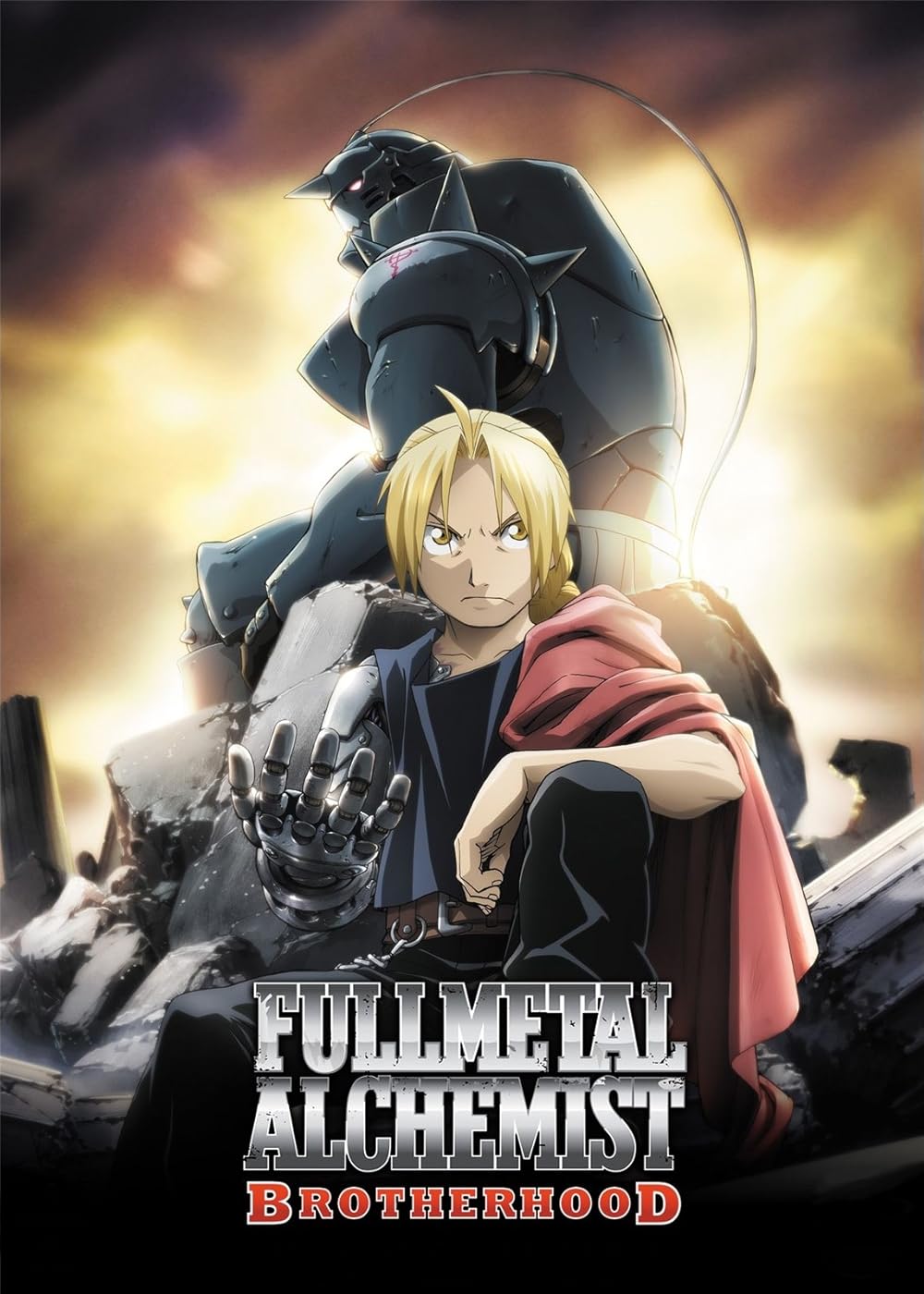
3. Fullmetal Alchemist: Brotherhood
64 episodes · Bones
Two brothers break the one alchemical law that matters and pay for it with a body and a limb. Getting those back turns out to require understanding what their country is actually built on.
Spoilers — how it ends
Almost every named character gets a real conclusion, the villain’s defeat follows from a principle established in the first act rather than from a power-up, and the thematic statement lands in Edward’s final decision: to get something, you give something of equal value. He applies the law to himself, and the series ends on it. It is the benchmark other finales are measured against precisely because it does not leave a single major thread for a sequel to pick up.
Why the ending works: The most complete ending in anime, with essentially nothing left dangling.
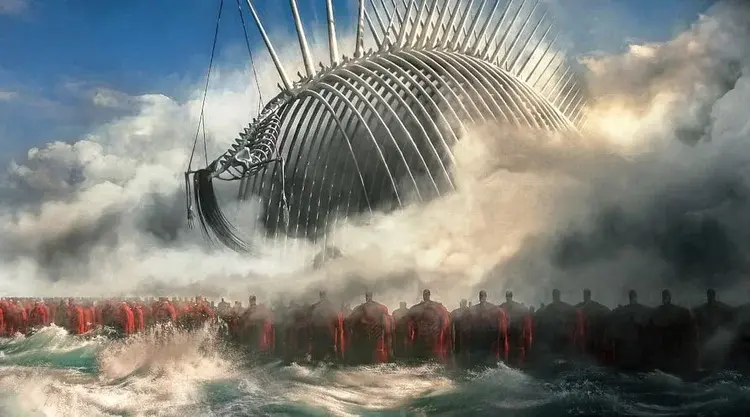
4. Attack on Titan
Four seasons · WIT · MAPPA
A boy watches his mother eaten by a Titan and swears to kill every one of them. Ten years of story later, the question of who the monsters actually are has been rebuilt from the ground up several times.
Spoilers — how it ends
This is the most contested finale on the list and it would be dishonest to pretend otherwise. The objections are real: the final act asks you to accept a version of Eren whose motivations are stated late and stated flatly, and some character resolutions land closer to summary than to drama. What it does earn is thematic follow-through — it refuses to let freedom be clean, refuses to let anyone be simply right, and ends the cycle of violence by showing that it does not actually end. You can dislike the execution and still recognise it as the conclusion the story was structurally committed to.
Why the ending works: Definitive and deeply divisive — and it commits completely to its own logic.

5. Fruits Basket: The Final
13 episodes · TMS Entertainment
The Sohma family is bound by a curse that turns them into zodiac animals, and by something much worse that the curse is a symptom of. Tohru keeps trying to reach them anyway.
Spoilers — how it ends
The remarkable thing is the sheer number of arcs it lands. Dozens of characters carrying dozens of specific injuries, and the finale gives nearly every one of them a resolution that fits the harm done to them — not forgiveness in every case, which is what makes it credible. Akito’s conclusion in particular refuses the easy version. The 2019 adaptation existed to fix an ending the 2001 version never reached, and it is one of the very few remakes that fully justified itself.
Why the ending works: The largest cast on this list, and almost all of it gets real closure.
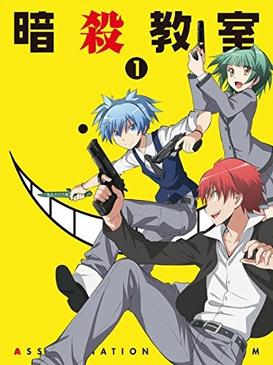
6. Assassination Classroom
Two seasons · Lerche
A creature that destroyed most of the moon takes a teaching job at a middle school and gives the class a year to assassinate him. The government supplies the weapons. He supplies the lesson plans.
Spoilers — how it ends
The whole series is built so the ending can work. You spend two seasons watching a class of written-off students become people, taught by the thing they are contracted to kill, and the deadline never moves. When it arrives the series does not flinch or find a loophole. The final roll call is the payoff for a structure set up in episode one, and it converts what looked like an absurd comedy premise into the most straightforwardly emotional conclusion here.
Why the ending works: A premise engineered as a joke that turns out to have been a countdown.
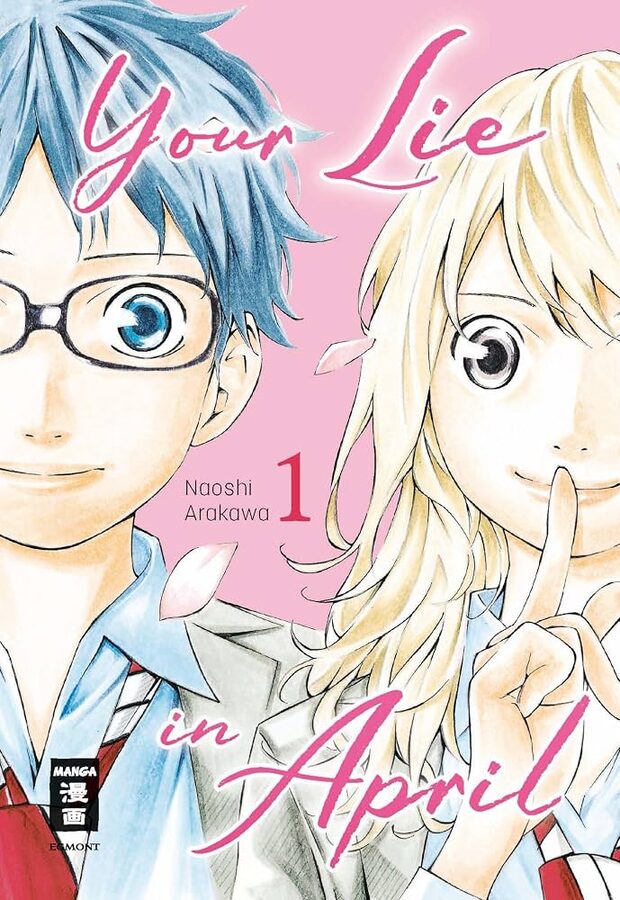
7. Your Lie in April
22 episodes · A-1 Pictures
Kousei stopped being able to hear the piano after his mother died. Kaori is a violinist who plays like the rules are optional, and she drags him back towards music whether he wants it or not.
Spoilers — how it ends
The title is the clue and almost nobody catches it in time. The final letter reframes the relationship, the year, and the title itself in about four minutes, and it does so without cheating — everything it reveals was visible if you were looking. It is a hard watch and the show knows it. What keeps it from being manipulation is that the point is not the loss, it is that Kousei can play again, and the ending is careful to make that the last note rather than the grief.
Why the ending works: Devastating, and the last few minutes recontextualise the entire series.
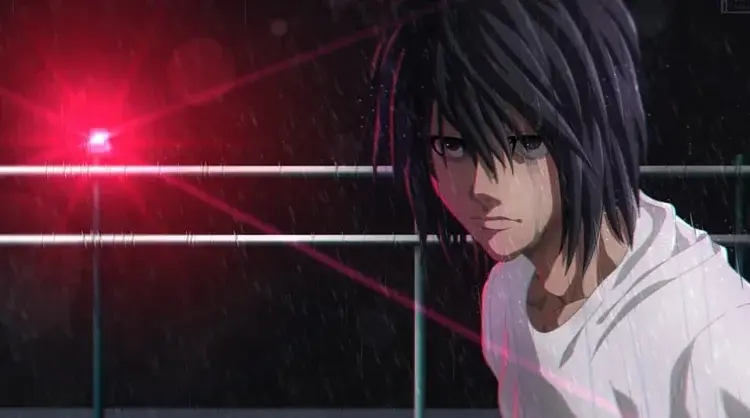
8. Death Note
37 episodes · Madhouse
A student finds a notebook that kills anyone whose name is written in it, and decides the world needs a god. The detective hunting him is his intellectual equal and knows who he is within days.
Spoilers — how it ends
The ending is contested, mostly by people who prefer the first half of the series, and the second half is genuinely weaker. But the finale gets the important thing right: Light does not fall to a superior mind, he falls because he made an ordinary mistake while believing he was incapable of making one. The last scene strips away every bit of the god persona and leaves someone small, frightened and begging. That is the argument the series had been making about power the whole time, delivered without mercy.
Why the ending works: A downfall that is exactly as pathetic as the thesis required.

9. Violet Evergarden
13 episodes + film · Kyoto Animation
A child soldier is discharged into a world with no war in it and takes work writing letters for other people. She does not understand what the last thing her commander said to her meant.
Spoilers — how it ends
The series is built as a series of other people’s endings until it finally reaches her own. What makes the conclusion work is restraint: no revelation, no reunion that fixes everything, just a person who has spent thirteen episodes translating other people’s feelings finally being able to name her own. Kyoto Animation animate it with an attention that would be excessive if the story were doing less. If you continue into the film, it goes further and lands even harder.
Why the ending works: A quiet ending about a person learning what she was told, far too late.
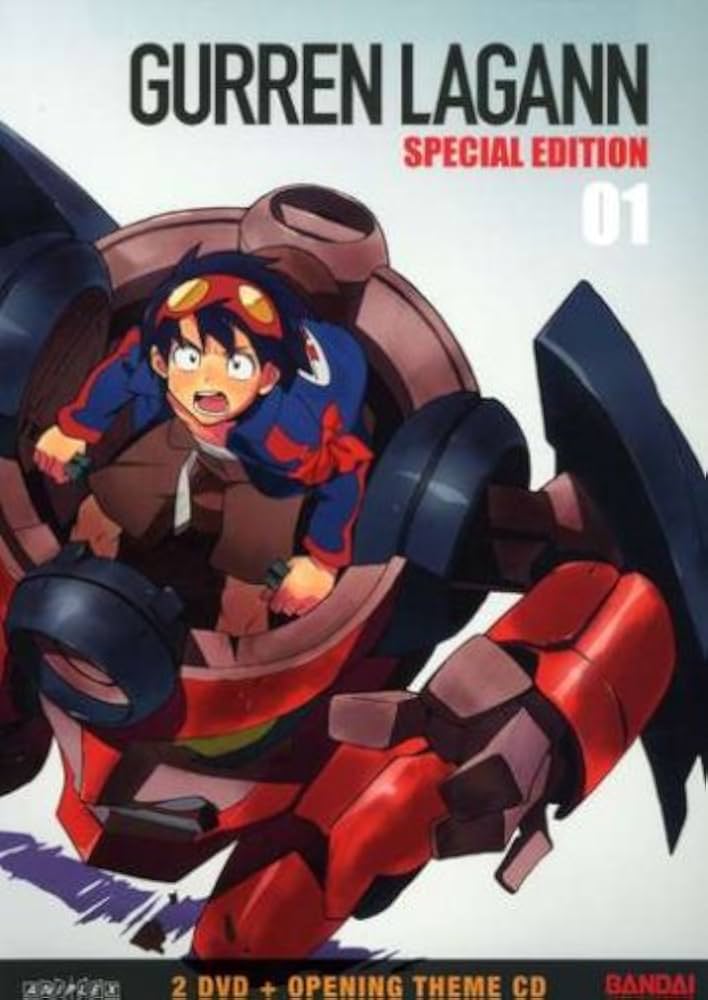
10. Gurren Lagann
27 episodes · Gainax
Two brothers dig out of an underground village and find a sky. The series then escalates, relentlessly, until the fights are being conducted at a scale where galaxies are thrown as weapons.
Spoilers — how it ends
The spectacle is the famous part and it is not the reason the ending works. Underneath the absurd escalation is a story about a boy who lost the person who believed in him and has to learn to believe in himself instead, and the finale insists on that at the exact moment it would be easiest to just be enormous. The epilogue is what elevates it — it refuses the triumphant freeze-frame and shows what happens to a hero afterwards, decades later, which almost nothing else in the genre is willing to do.
Why the ending works: The largest-scale finale in anime, attached to a small and specific grief.
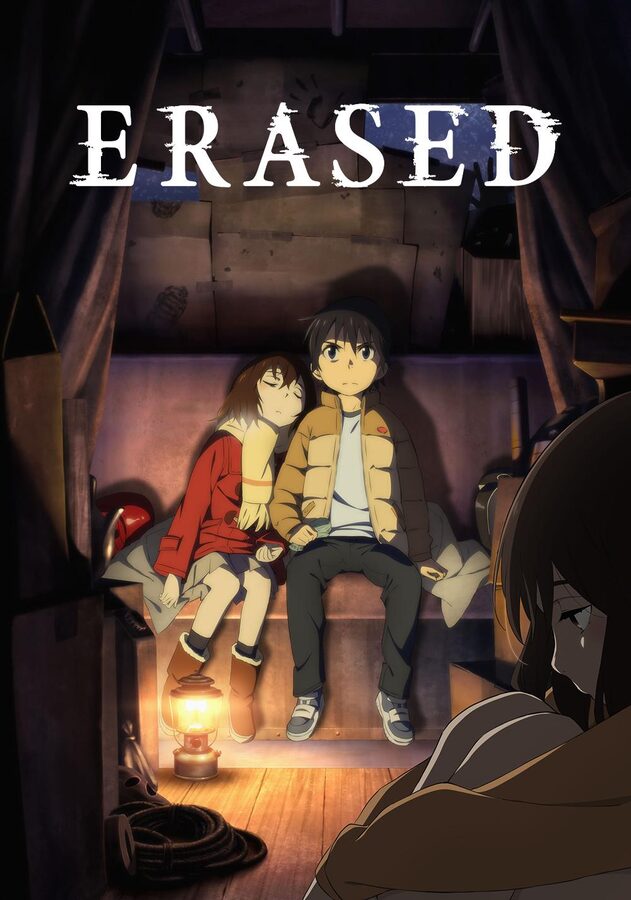
11. Erased
12 episodes · A-1 Pictures
Satoru is thrown back to 1988 whenever a death is about to happen nearby. The largest one takes him back to his own childhood and the disappearance of a girl in his class.
Spoilers — how it ends
The childhood section is superb — a genuinely tense thriller in which the protagonist has adult knowledge and a ten-year-old’s body and credibility. The finale is where opinion splits, because the culprit’s identity is easier to guess than the series thinks and the confrontation resolves faster than the setup deserved. What holds it up is the emotional resolution: what Satoru actually saves is not just a life, and the final scenes with his mother and with Airi land cleanly even for viewers who found the mystery thin.
Why the ending works: A strong emotional resolution attached to the weakest mystery mechanics here.

12. Haikyuu!!
Four seasons · Production I.G
Hinata is too short to play at the net and does it anyway. Kageyama is a setter nobody wants to receive from. The series is about what they build out of that, over four seasons.
Spoilers — how it ends
The reason it belongs here is that it declines the format’s default ending. It does not conclude on the trophy, and it is explicit that the losses matter as much as the wins — the series repeatedly follows the team that just got knocked out. The final stretch jumps forward and shows these people as adults still in the sport, still opposite each other, which recasts the whole run as the beginning of something rather than its climax. That is a much harder ending to write and a far more satisfying one.
Why the ending works: A sports ending that understands the tournament was never the point.

13. Samurai Champloo
26 episodes · Manglobe
Fuu blackmails two swordsmen who despise each other into helping her find a man she can only describe by smell. They walk across Edo-period Japan being bad at travelling together.
Spoilers — how it ends
The final arc pays off the thing the series had been quietly building — that Mugen and Jin have been walking towards their own unfinished business the entire time, and Fuu’s search was the excuse. The confrontation with the sunflower samurai refuses to be cathartic in the way you expect. Then the ending does the correct thing and separates them at a crossroads with no ceremony. They do not become a family; they became necessary to each other for a while, which is truer and lands harder.
Why the ending works: Closure without sentiment, which is the only ending this trio could have had.
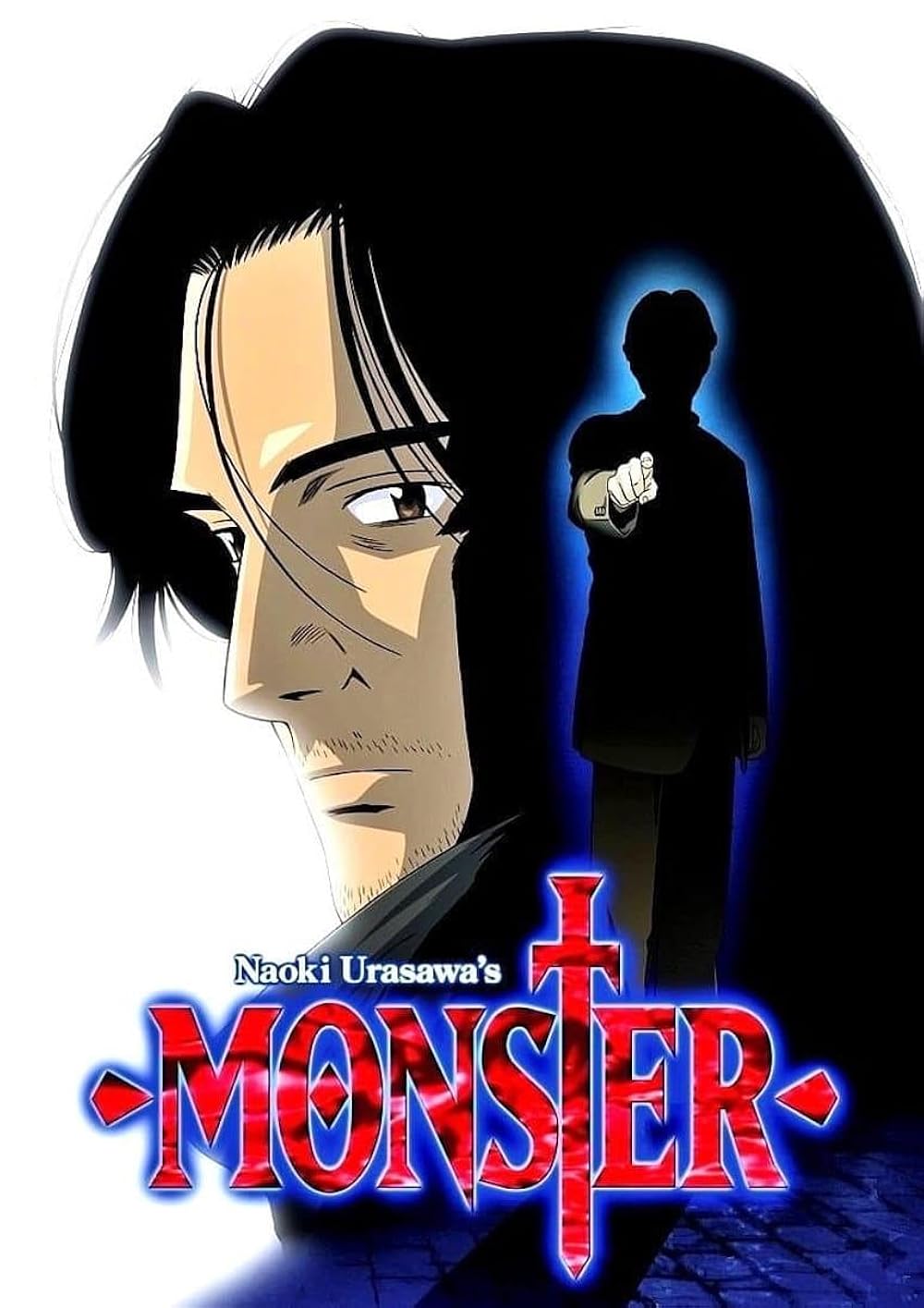
14. Monster
74 episodes · Madhouse
Dr Tenma saves a boy’s life instead of a politician’s. Years later people connected to that decision start dying, and the boy is charming, articulate and entirely without a floor.
Spoilers — how it ends
The finale is the opposite of a spectacle, which is why it is here. There is no fight; the question was never whether Tenma could stop Johan but whether he could remain someone who would not become him to do it. The last episodes are about consequence, about the people Johan used and what is left of them, and about a name. Urasawa withholds the one piece of information everyone wants, and the story is better for it. Patient, restrained, and completely consistent with the seventy-three episodes before it.
Why the ending works: Seventy-four episodes of dread that resolve without a single raised voice.

15. Cyberpunk: Edgerunners
10 episodes · Studio Trigger
David is a kid from the wrong district who starts installing military-grade hardware into his own body because it is the only way up. Night City has one story and it always ends the same way.
Spoilers — how it ends
This is a genre where the ending is effectively announced in advance, and the achievement is making it hurt anyway. It works because the series makes the cost incremental — every upgrade is a reasonable decision at the time, and the sum of reasonable decisions is a person who cannot come back. The final episode gives David something the setting almost never allows, and it is small, and it is enough. Ten episodes, no fat, and one of the few adaptations that improved its source material’s reputation.
Why the ending works: You can see the tragedy coming from episode two and it still lands.

16. Clannad: After Story
24 episodes · Kyoto Animation
The first series was school. After Story is what comes next: work, marriage, money, a family, and the ordinary catastrophes that the first series never touched.
Spoilers — how it ends
It puts Tomoya through more than almost any protagonist on this list, and the final act uses a supernatural device that has been quietly seeded since the first episode to resolve it. That device is the whole argument — a large group finds it a genuine and moving payoff to a structure that was always there, and another group finds it a reversal that undoes the weight of what came before. Both readings are defensible. What is not in dispute is that the episodes leading into it are among the most affecting in the medium.
Why the ending works: The most sentimental ending here, and the one people defend most fiercely.
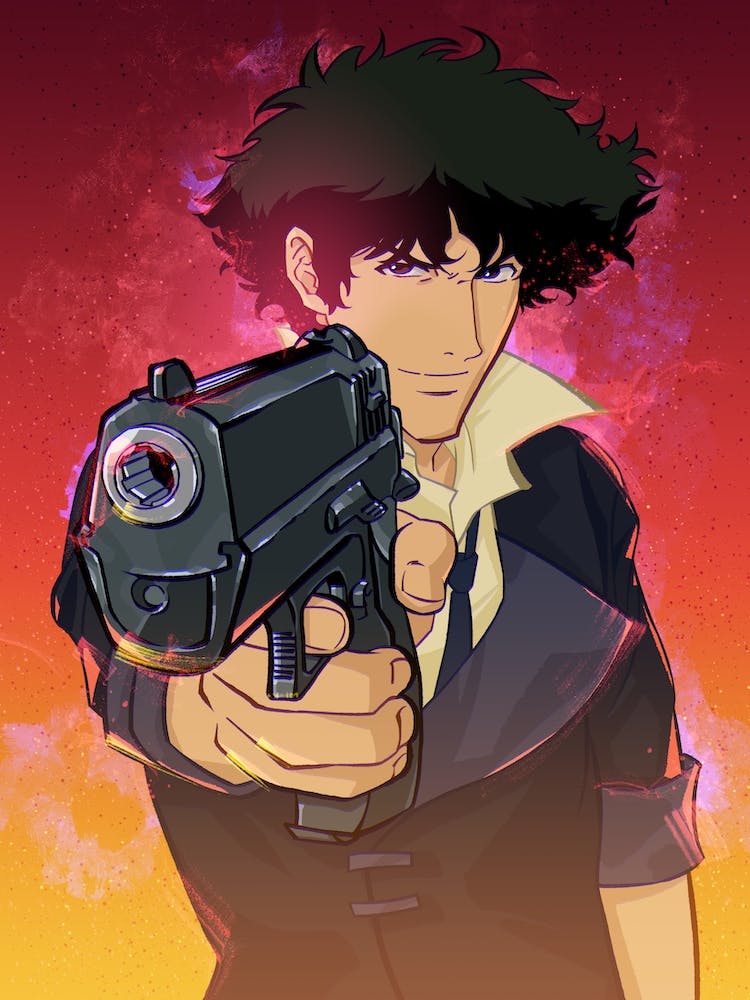
17. Cowboy Bebop
26 episodes · Sunrise
Four people and a dog share a ship and hunt bounties badly. Each is running from a past that the series lets you glimpse and never fully opens.
Spoilers — how it ends
Spike has been telling you how this goes for twenty-six episodes — he says outright that he is already living something that ended years ago. The finale simply lets him go and settle it. What makes it great is the restraint around it: the crew disperses without a speech, the final gesture is a single word, and the show declines to confirm the one detail everyone wants confirmed. It is ambiguous in exactly one place and completely certain everywhere else, which is a much harder balance than it looks.
Why the ending works: The most stylish ending in anime, and it explains nothing it does not need to.
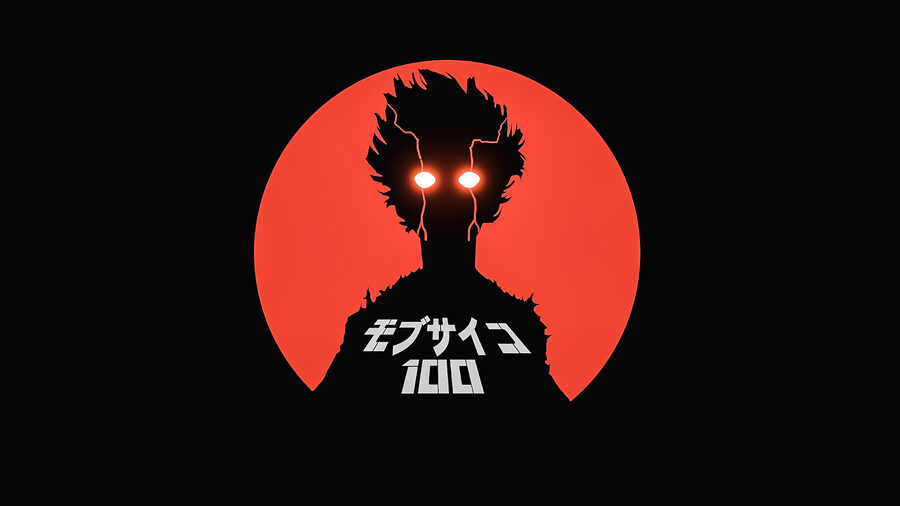
18. Mob Psycho 100
Three seasons · Bones
Mob is the most powerful esper alive and desperately wants to be an ordinary teenager. His mentor is a fraud with no powers who is, unexpectedly, giving him excellent advice.
Spoilers — how it ends
The final season resolves the thing the whole series was actually about, and it is not a fight. Mob’s arc has always been that his power is the least interesting thing about him and that he knows it; the ending makes him confront the part of himself he has spent three seasons suppressing, and the resolution comes from honesty rather than force. Reigen’s role in it retroactively justifies three seasons of running a scam. Warm, funny and completely un-cynical about growing up.
Why the ending works: The strongest character in the series wins by refusing to use it.
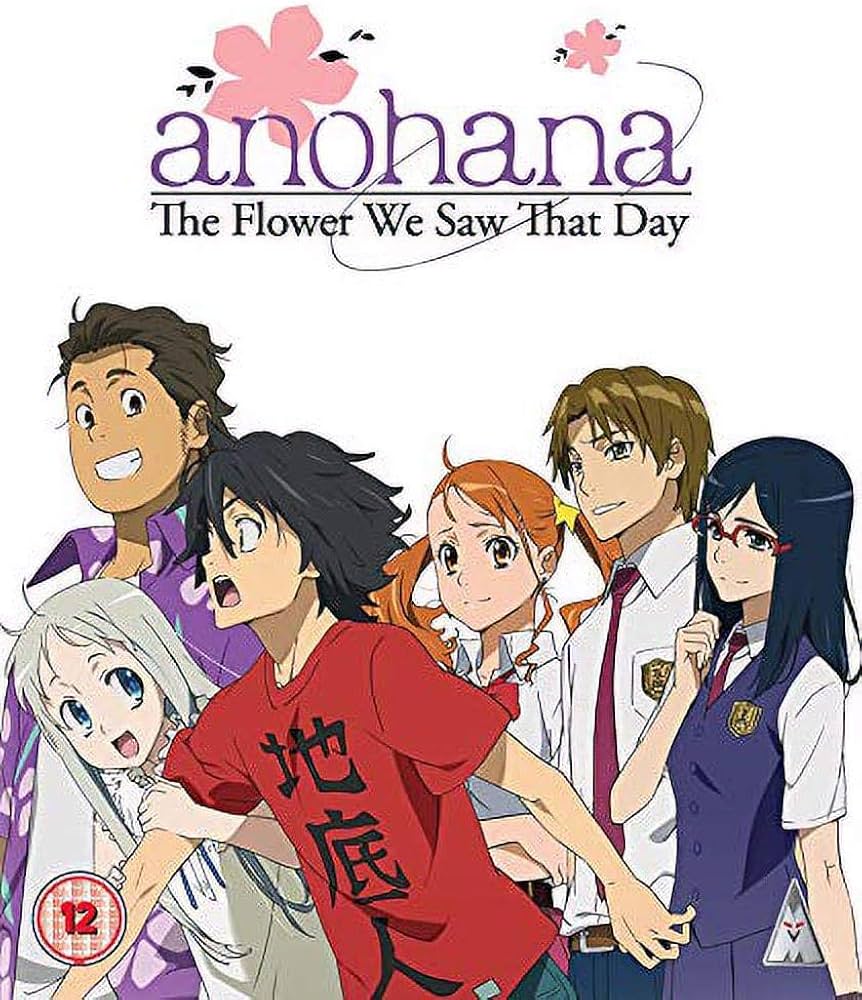
19. Anohana
11 episodes · A-1 Pictures
A group of childhood friends fell apart after Menma drowned. Years later she reappears to Jinta, asking him to grant a wish she cannot remember making.
Spoilers — how it ends
The whole structure exists to force five people who have been avoiding each other for a decade into the same room to say what they actually feel. The final episode is close to unwatchable in the best way — the hide-and-seek scene is one of the most effective sequences in television and it works because the eleven episodes before it were spent making each of these people specific. It is unsubtle and it does not matter. Grief is unsubtle.
Why the ending works: Eleven episodes engineered to deliver one scene, and it delivers.
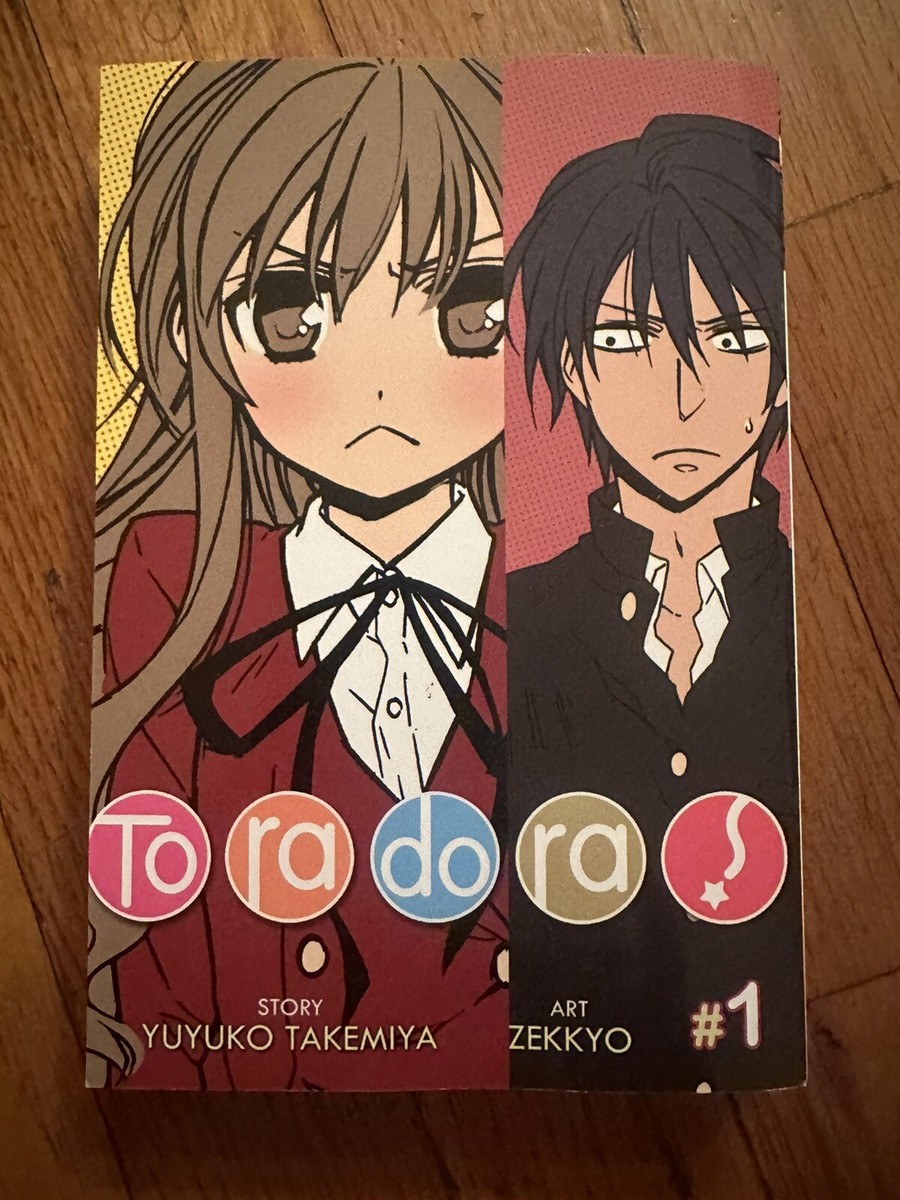
20. Toradora!
25 episodes · J.C.Staff
Ryuuji and Taiga agree to help each other pursue their respective crushes. Neither is honest with themselves about why the arrangement suits them so well.
Spoilers — how it ends
It gets here by making the characters wrong for a long time. The late arc lets them hurt each other properly — the fight with Taiga’s mother, the running away, the choices that are selfish rather than romantic — and the ending only arrives after both have done something difficult and unglamorous. The final episode’s separation and return is what makes it work: the story insists they each become a whole person first. The romance genre almost never bothers, which is why this ending is still the reference point.
Why the ending works: A romance ending that is earned through failure rather than granted by genre.
Best anime endings by category
| Category | Series |
|---|---|
| Most satisfying overall | Fullmetal Alchemist: Brotherhood |
| Best emotional payoff | Steins;Gate |
| Boldest final act | Code Geass |
| Saddest | Your Lie in April |
| Most restrained | Monster |
| Biggest spectacle | Gurren Lagann |
| Best ensemble closure | Fruits Basket: The Final |
| Most stylish | Cowboy Bebop |
| Most divisive | Attack on Titan |
| Best romance conclusion | Toradora! |
Anime with the most satisfying endings
If you want closure rather than devastation, these give their characters a clean landing.
- Fullmetal Alchemist: Brotherhood
- Steins;Gate
- Fruits Basket: The Final
- Mob Psycho 100
- Assassination Classroom
- Toradora!
- Haikyuu!!
Anime with the saddest endings
And if you would rather be emotionally flattened, start here. Probably not two in the same weekend.
- Your Lie in April
- Anohana
- Cyberpunk: Edgerunners
- Clannad: After Story
- Violet Evergarden
What makes an anime ending great?
Four things, consistently. The characters have to end as the people the story turned them into rather than snapping back to who they were. The central conflict has to actually resolve instead of being replaced by a different one. The emotional payoff has to have been set up, not introduced in the final act. And the ending has to say something about what the series was about — a story built on sacrifice should end with a position on sacrifice.
There is a fifth test that only works in hindsight: are people still arguing about it? Attack on Titan and Code Geass have been generating the same fights for years, and that persistence is not a flaw. The finales that genuinely fail are the ones nobody bothers to have an opinion about.
Frequently asked questions
What anime has the best ending?
Steins;Gate, on the test that matters most — whether the conclusion feels earned. Fullmetal Alchemist: Brotherhood is the better answer if you weight completeness instead, because it leaves almost nothing unresolved across a 64-episode story.
What is the most controversial anime ending?
Attack on Titan, by a wide margin, followed by Death Note and Code Geass. All three are on this list because being argued about for years is evidence of a decisive ending, not a weak one — forgettable finales generate no argument at all.
Which anime endings are the saddest?
Your Lie in April, Anohana, Cyberpunk: Edgerunners, Clannad: After Story and Violet Evergarden. Worth spacing them out rather than watching two in a weekend.
Does a bad ending ruin a good anime?
It changes how the whole thing is remembered, which is close. A finale is roughly twenty minutes asked to justify fifty episodes, and when it fails the series tends to get described by its ending forever afterwards. That is exactly why the ones that land are worth singling out.
What makes an anime ending good?
Not happiness. The consistent factors are character closure that fits who the person became, resolution of the actual central conflict rather than a substitute, emotional payoff that was set up rather than introduced, and thematic follow-through — a story about sacrifice ending on something to say about sacrifice.
Final thoughts
Some of these endings are happy, some are tragic, one is deliberately ambiguous and three are still starting arguments. What they share is that they left an impression, which is the only test a finale really has to pass.
More rankings: the top 100 best anime of all time, the saddest anime ever made, and the most underrated anime.
Which anime has the best ending you have ever watched?
Steins;Gate? Code Geass? Fullmetal Alchemist: Brotherhood? Or is there one you would defend that nobody else puts on these lists? Tell us in the comments.