
Everyone knows the big ones. One Piece, Naruto, Attack on Titan, Demon Slayer, Jujutsu Kaisen — popular for good reasons, and impossible to avoid.
This list is for what happens after those. Series that were buried by a crowded season, released with no marketing, or wrapped in an art style that scared people off before episode two. The reward for finding one is that specific feeling: twenty minutes in, wondering how something this good stayed this quiet.
What is the most underrated anime?
Shinsekai Yori is the most underrated anime ever made. A complete world, a mystery that pays off, and a reputation that never spread beyond the people who stumbled into it.
For a mystery, Odd Taxi. For something that will wreck you, A Place Further Than the Universe. For the best sports anime nobody watched, Run with the Wind. All 19 are below.
- Hidden Gems
- 19
- Oldest Entry
- 2006
- Starter Picks
- 10
- Median Episodes
- 12
How this list is ranked
Obscurity on its own is not a qualification. What earns a place here is the gap between how good a series is and how many people have heard of it — a show that is genuinely excellent and genuinely under-watched. A famous series is not underrated no matter how much you like it.
That rule does most of the work. It is why the ranking rewards Rainbow and Ergo Proxy, which are difficult and old and have never had a moment, over things that are merely less famous than One Piece.
Two editorial notes. The draft this grew from was titled as 25 but ranked four series twice — Shinsekai Yori, Heavenly Delusion, Odd Taxi and Ping Pong each appeared at two positions. Each is kept once, at its higher placement, and the list is renumbered 1 to 19. Nothing was invented to pad the number back up.
Two more were moved out of the ranking entirely and into the section below it. Frieren is a great series that is no longer remotely underrated, and Scavengers Reign is an American production rather than anime. Both are still worth your time; neither belongs in a hidden-gems ranking.
The 19 most underrated anime
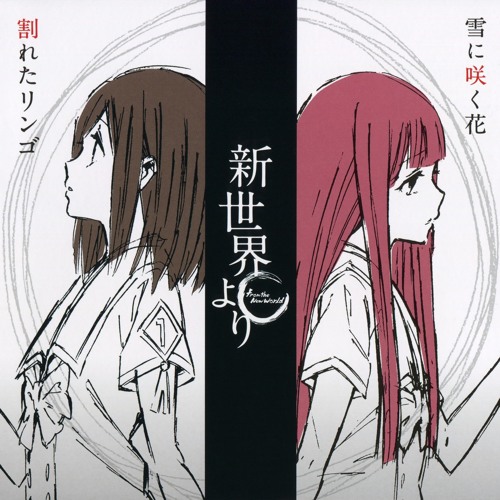
1. Shinsekai Yori
25 episodes · A-1 Pictures
A thousand years from now, humanity has psychic powers and lives in a village that looks like paradise. Saki and her friends grow up inside it. The further they look, the worse what they find becomes.
Read more
The trick is that it never lies to you — it simply declines to explain, and lets you assemble the truth from things the adults will not say out loud. By the halfway point you understand what the society does to children who develop incorrectly, and every earlier scene reads differently. It asks what a civilisation is entitled to do to survive, and refuses to supply a comfortable answer. The single strongest hidden gem in anime, and knowing too much beforehand genuinely damages it.
Why watch it: Deep world-building, mystery, and a story that stays in your head long after finishing it.

2. Heavenly Delusion
13 episodes · Production I.G
Two narratives run in parallel. Maru and Kiruko cross a ruined Japan looking for a place called Heaven. Elsewhere, children are raised inside a sealed facility that is pointedly pleasant. The connection is the story.
Read more
Production I.G make the ruins beautiful rather than grimy, which is what gives the horror its edge when it arrives. The structure is the real achievement: two timelines that appear unrelated, revealing their relationship slowly enough that you work it out roughly one scene before the characters do. It withholds a great deal and rewards attention rather than patience, and the manga continues well beyond where the anime stops.
Why watch it: One of the best modern post-apocalyptic mysteries, and gorgeous with it.
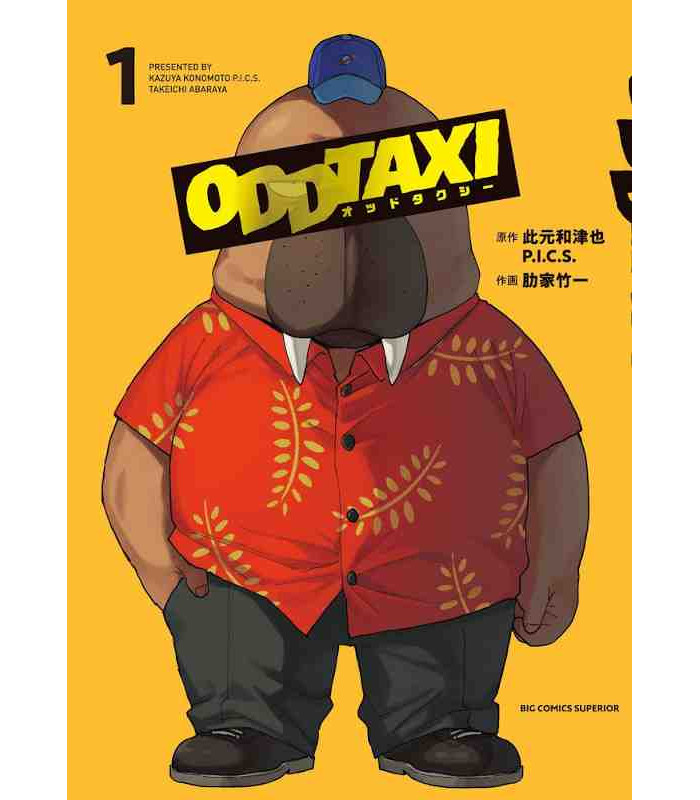
3. Odd Taxi
13 episodes · OLM · P.I.C.S.
Odokawa is a walrus who drives a taxi. His passengers talk. A girl is missing. That is genuinely all you should know.
Read more
The animal designs are not whimsy, they are load-bearing, and the reason why is one of the best reveals in recent television. Almost the entire series is people talking in a car, and almost every line is either a clue or a misdirection — comedians, a nurse, a college student, a yakuza, all circling one disappearance. It trusts you completely, which is why the payoff lands as hard as it does. Rewatching it is a different experience entirely.
Why watch it: Outstanding mystery writing and one of the best constructed plots in modern anime.
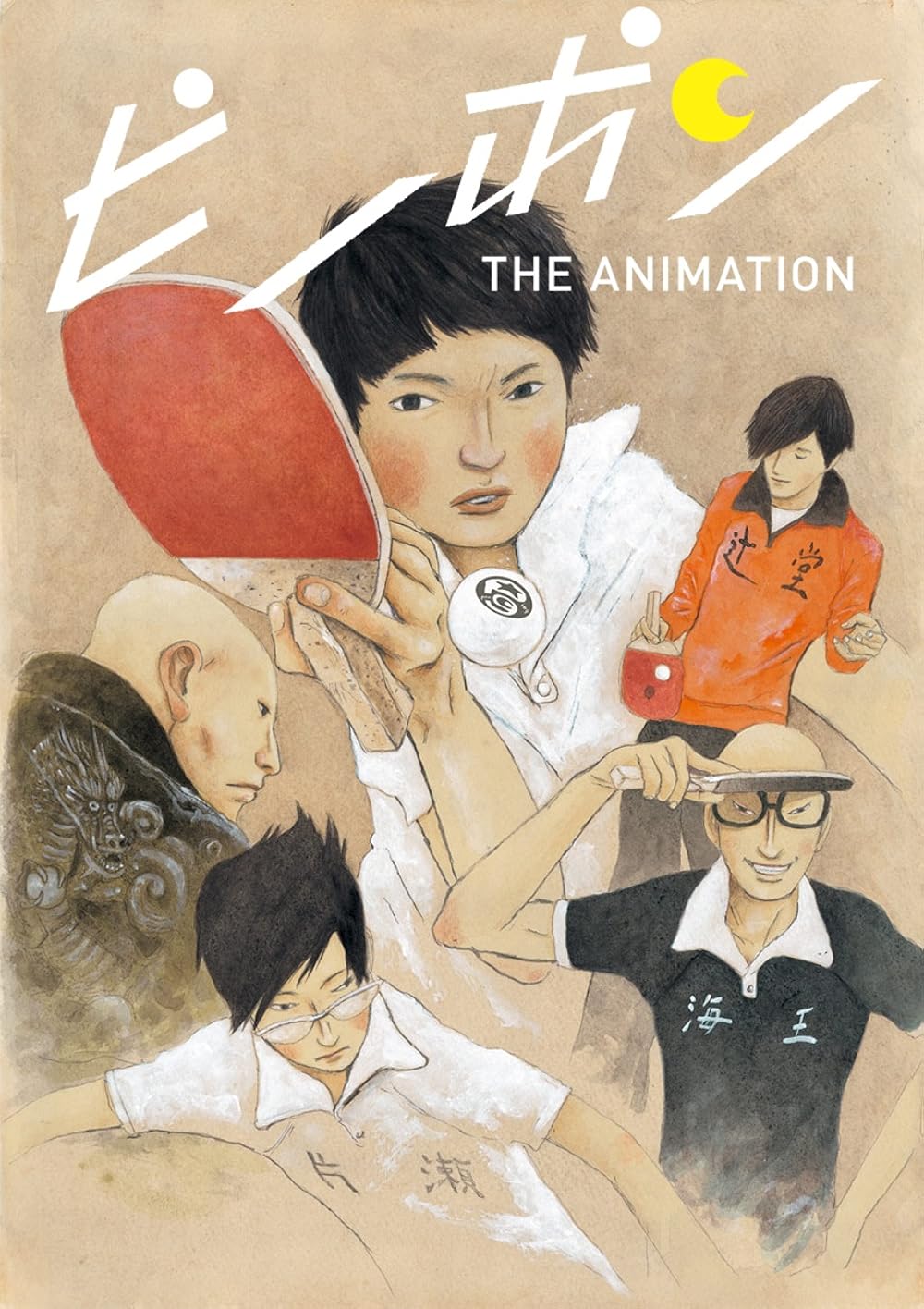
4. Ping Pong the Animation
11 episodes · Masaaki Yuasa · Tatsunoko
Peco has talent and no discipline. Smile has ability and no desire to win. Eleven episodes about table tennis that are not really about table tennis.
Read more
The art style loses people in the first five minutes, and that is precisely why it stays underrated — it looks sketchy and strange, and it is doing that on purpose. Yuasa uses the elasticity to convey motion and interiority that clean animation cannot. What it is actually about is talent: who has it, what it costs the people who do not, and what happens when the thing you are best at is not the thing you love. The hero arrives late and is not who you expect.
Why watch it: Incredible character writing disguised as a sports anime.
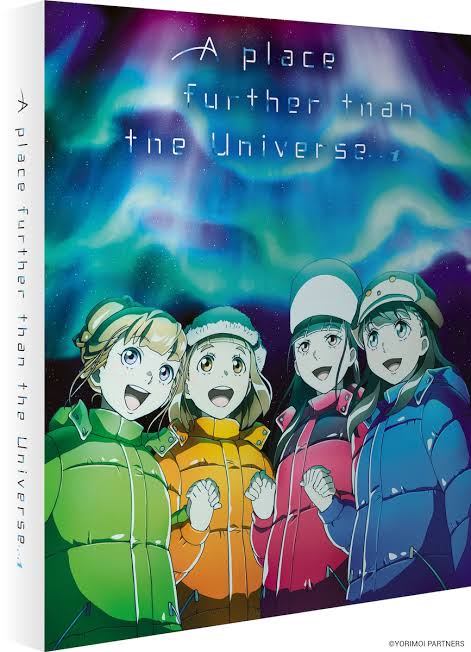
5. A Place Further Than the Universe
13 episodes · Madhouse
Four high-school girls decide to go to Antarctica. One is chasing her mother, who went and did not come back. The others each have their own reason, and none of them is trivial.
Read more
It sounds like a light comedy and is instead one of the most emotionally precise series of the last decade. The friendships build at a believable pace, the obstacles are practical rather than manufactured, and the payoff — when it finally arrives, at the bottom of the world — is earned so thoroughly that it levels people who went in expecting something breezy. Uplifting without ever being saccharine, which is a much harder trick than it looks.
Why watch it: Beautiful character development and one of the most satisfying journeys in anime.
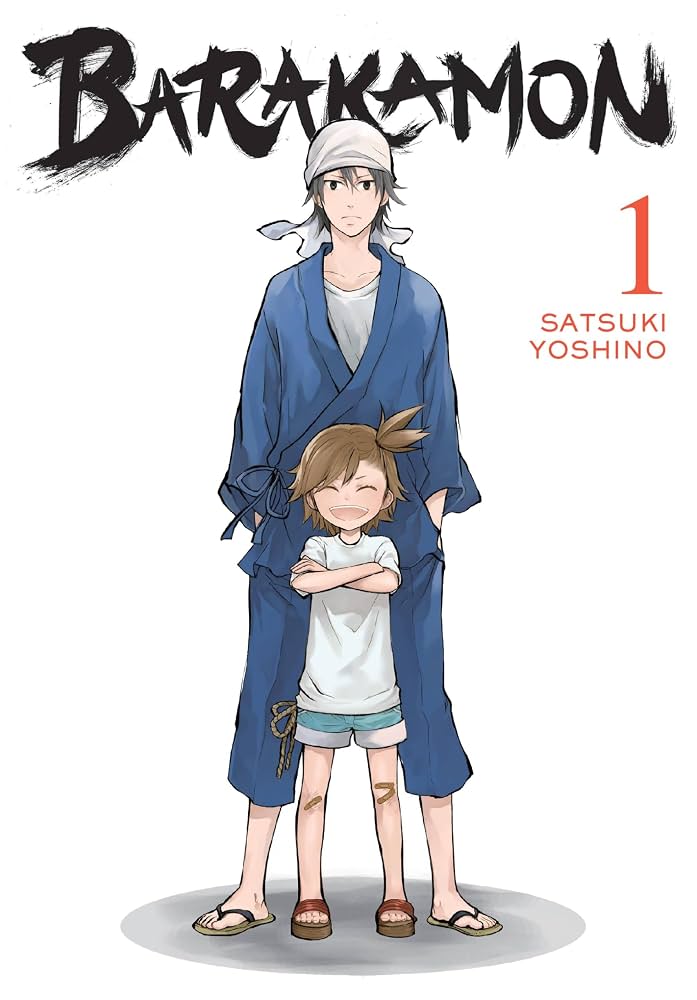
6. Barakamon
12 episodes · Kinema Citrus
A young calligrapher punches an elderly critic and gets exiled to a remote island. He plans to work in peace. A seven-year-old named Naru has other plans.
Read more
The comedy is character-driven rather than gag-driven, and the island cast are written as people rather than quirks. Underneath it is a sharp story about an artist who has been technically excellent and creatively dead for years, and what it takes to unlearn that. It never announces the theme or gets sentimental about it. One of the easiest recommendations here if you want something warm that is not empty.
Why watch it: Extremely wholesome, genuinely funny, and quietly about creative burnout.
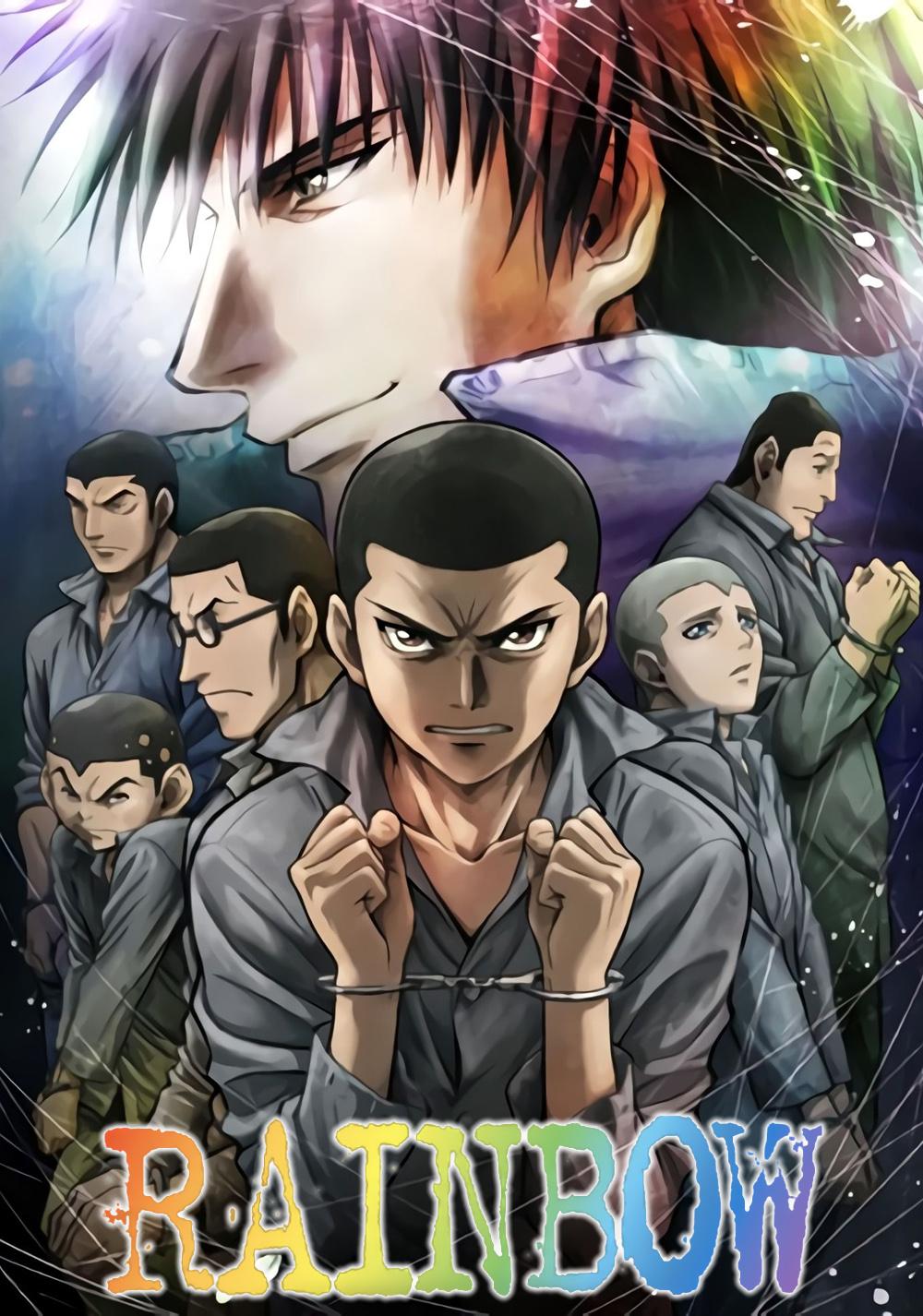
7. Rainbow
26 episodes · Madhouse
Postwar Japan, 1955. Seven boys share a cell in a reformatory run by men who enjoy the work. An older inmate called Sakuragi decides they are going to survive it.
Read more
The opening episodes are genuinely hard to watch and the series does not soften what happens in that building. What makes it work is that the brutality is not the point — the point is what the seven build out of it, and how far that carries them once they are outside and the world has no interest in them. It gets very little attention because it is bleak, old, and unglamorous. It is also one of the best things Madhouse has made.
Why watch it: Powerful friendships and one of the most emotionally punishing stories on this list.
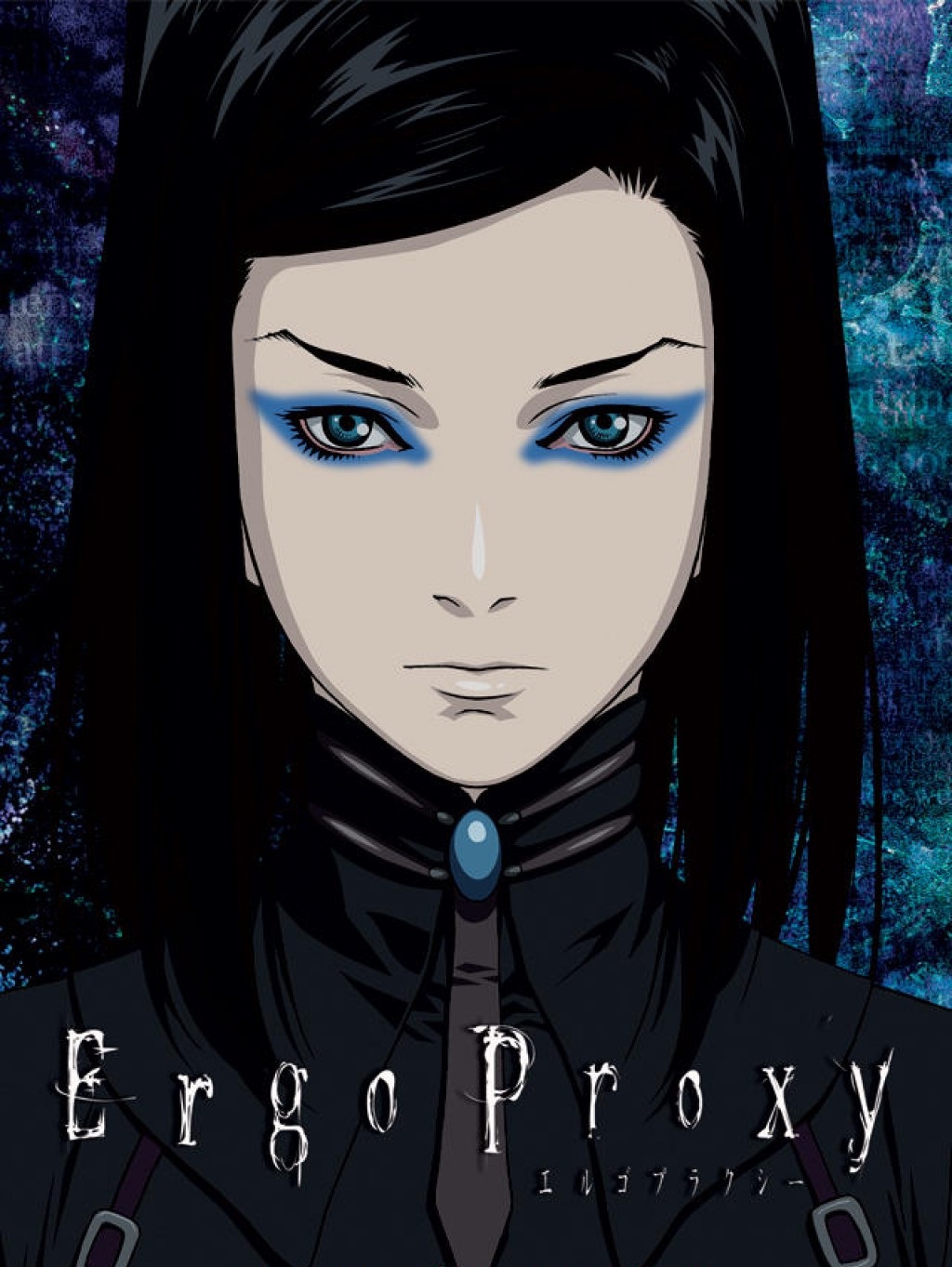
8. Ergo Proxy
23 episodes · Manglobe
Humanity survives inside a domed city where androids do the work. Re-l Mayer investigates a series of killings and finds something the city has spent its existence not explaining.
Read more
It is dense, slow, and deliberately obscure, layering Descartes and Gnosticism into what is nominally a detective story. It also has one of the strongest visual identities in anime — washed-out, cold, oppressive. This is not a series that rewards half-attention, and it has a mid-season episode structure that some find self-indulgent. If you like being trusted to keep up with something that will not slow down for you, few things deliver more.
Why watch it: Dark science fiction with an enormous amount of atmosphere and no hand-holding.
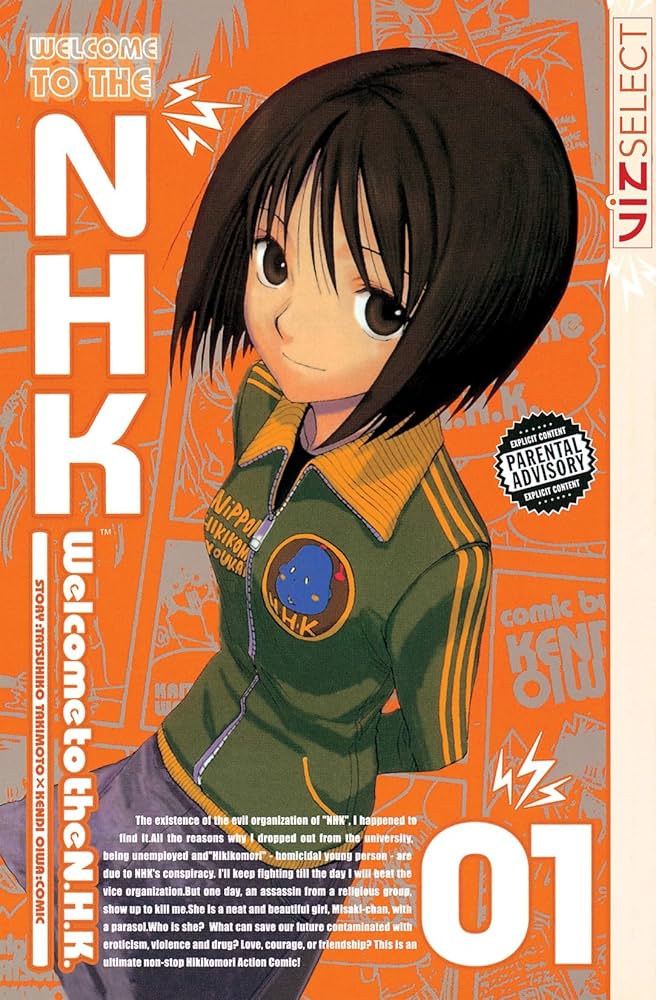
9. Welcome to the N.H.K.
24 episodes · Gonzo
Satou has not left his apartment in years. Misaki appears at his door and offers to cure him. Neither of them is being honest about why.
Read more
It is frequently very funny and that is what makes it land — the humour is how the characters avoid the thing, and the series keeps letting you laugh right up until it does not. It covers hikikomori isolation, depression, conspiracy thinking and the specific cruelty of people who need each other to stay broken. There is no clean recovery arc. Anyone who has been near that state tends to describe it as the only anime that got it right.
Why watch it: A surprisingly honest character drama about isolation, and not a comfortable watch.

10. Golden Kamuy
Four seasons · Geno Studio · Brains Base
Hokkaido after the Russo-Japanese War. A soldier called Sugimoto hunts a hidden gold cache mapped in tattoos across the skin of escaped convicts. Asirpa, an Ainu girl, knows how to survive out there. He does not.
Read more
The tonal range should not work: it moves from war trauma to hunting, to Ainu culinary detail, to genuine horror, to some of the broadest comedy in the medium, sometimes inside one episode. It works because the research is real — the Ainu material was properly supervised and the series treats it as a culture rather than set dressing. The early CGI bears are rough and worth pushing past. The cast is enormous and almost everyone in it is memorable.
Why watch it: A genuinely unusual adventure with one of the best ensembles in anime.
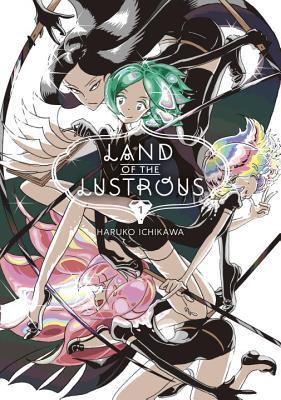
11. Land of the Lustrous
12 episodes · Orange
In a far future, the shore is populated by living gems. Phos is brittle, useless, and desperate to matter. The Lunarians come from the sky to harvest them.
Read more
This is the rare CG anime that uses the technique for something only CG can do — the refraction through the characters is the whole aesthetic, and it is stunning. The story is a slow tragedy about a person who gets exactly what they wanted: Phos becomes stronger and more capable by increments, and each upgrade costs a piece of who they were. By the end, the cheerful character from episode one is unrecognisable, and the series never once flags it as a tragedy. Devastating, and criminally overlooked.
Why watch it: One of the most visually distinctive and emotionally devastating series here.
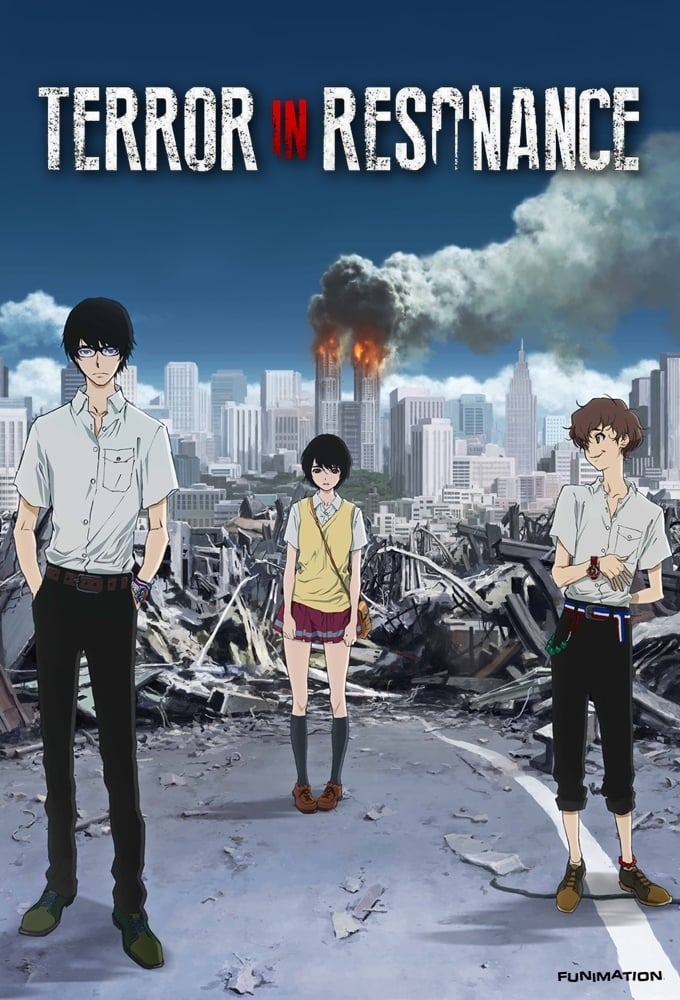
12. Terror in Resonance
11 episodes · MAPPA · Shinichiro Watanabe
Two teenagers calling themselves Sphinx bomb Tokyo and post riddles about it. They are careful to hurt no one. A disgraced detective starts answering the riddles.
Read more
Watanabe and Yoko Kanno, which tells you most of what the experience is like — the soundtrack does an enormous amount of the emotional work, and the Icelandic-recorded score is worth hearing on its own. It is more interested in melancholy than in thriller mechanics, and the plotting genuinely wobbles in the back half. What stays with people is the mood and the two boys at the centre of it, who are not terrorists so much as children trying to make somebody acknowledge what was done to them.
Why watch it: Immaculate atmosphere and a Yoko Kanno score that carries half the show.
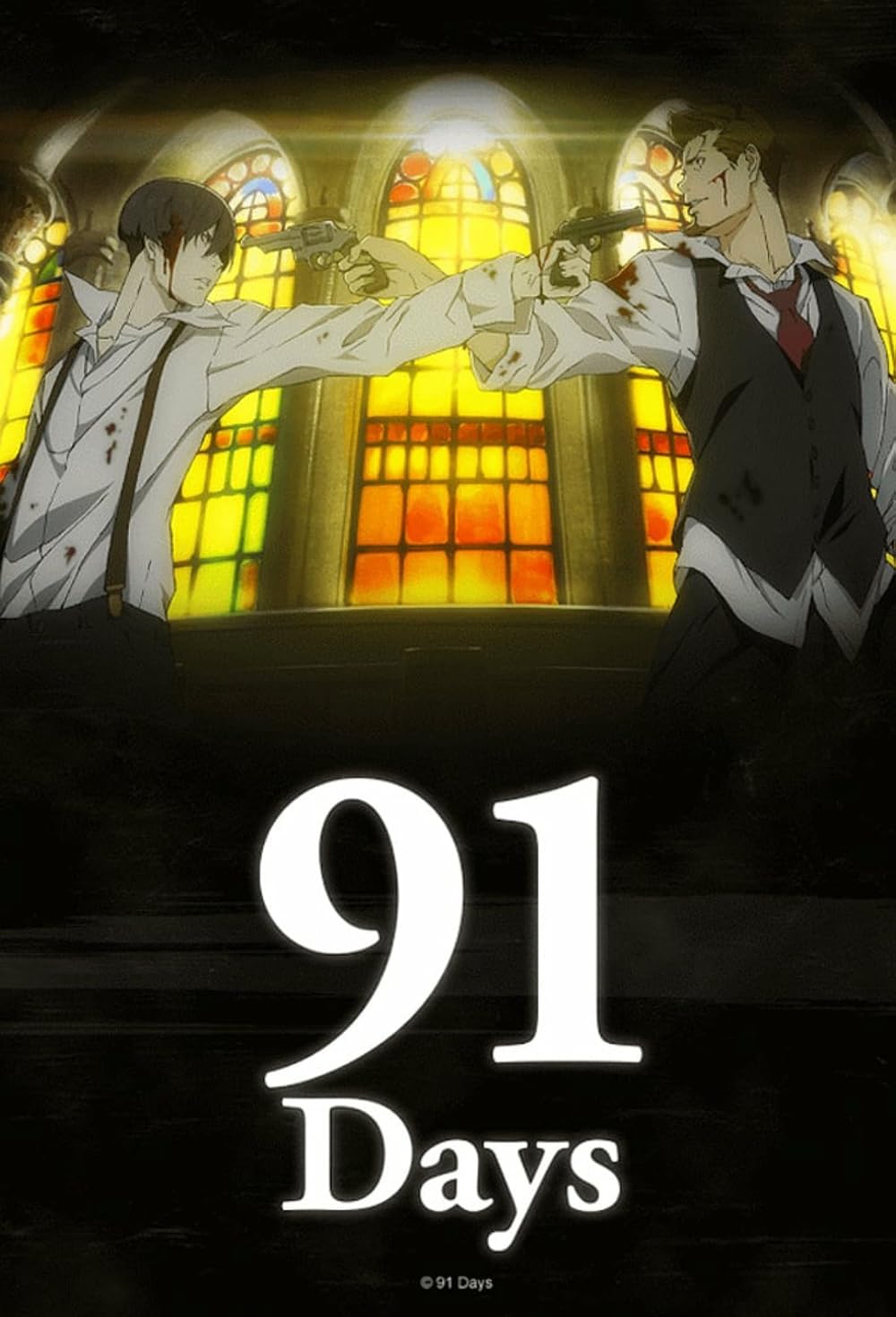
13. 91 Days
12 episodes · Shuka
Prohibition-era America. Angelo Lagusa returns to the town where his family was murdered, under a false name, and works his way into the family that did it.
Read more
It plays completely straight as a mafia story — if you removed the animation you would have a competent crime film, which is exactly the appeal. The tension comes from proximity: Angelo befriends the son of the man he intends to kill, and the friendship is not a manipulation he can fully control. Twelve episodes, no filler, and an ending that people still argue about. Almost nobody watched it because it aired opposite far louder shows.
Why watch it: Mature revenge storytelling with no supernatural element and no wasted episodes.
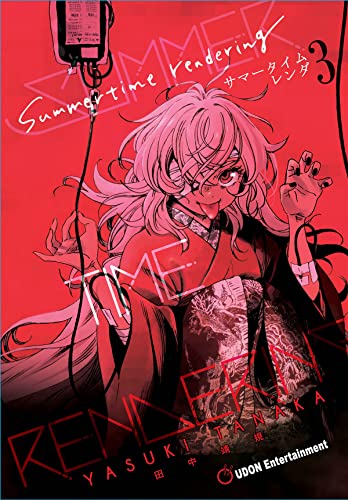
14. Summertime Rendering
25 episodes · OLM
Shinpei returns to his island home for a friend’s funeral. The body has marks that do not fit a drowning. Then he starts dying, and waking up earlier.
Read more
Time loops usually sag in the middle; this one keeps escalating because the rules are strict, consistent, and known to the antagonist too. That is the key difference — Shinpei is not the only one who understands the mechanic, so the loop becomes a contest rather than a puzzle. The island setting is claustrophobic in the right way, the pace never slackens across 25 episodes, and it went almost unnoticed because it launched on Disney+ where no anime audience was looking.
Why watch it: A fast, tightly plotted time-loop mystery that respects your intelligence.
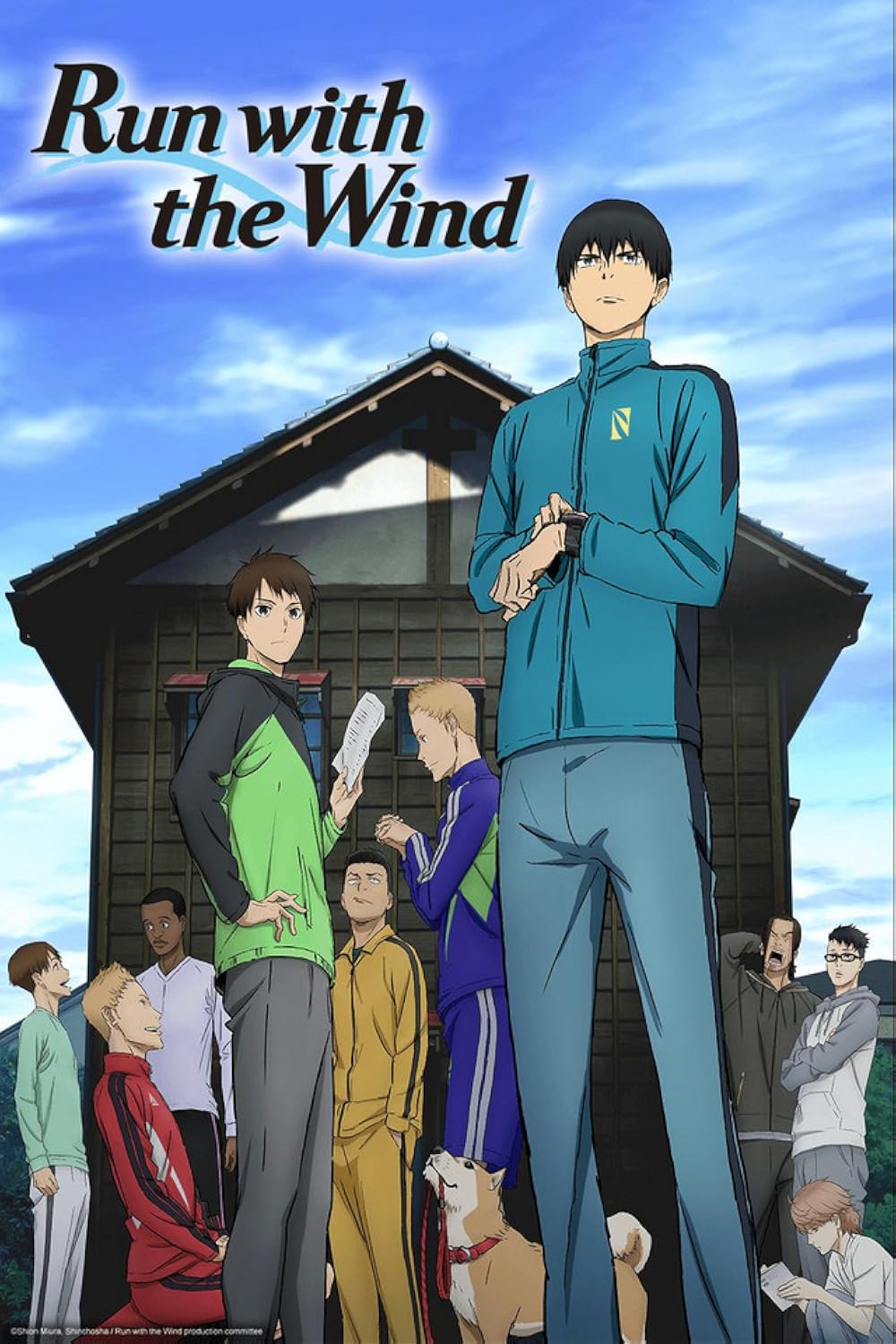
15. Run with the Wind
23 episodes · Production I.G
A university student manipulates nine housemates — most of whom do not run — into entering the Hakone Ekiden, Japan’s most punishing relay race. They have a year.
Read more
No special abilities, no shouted technique names, and no character who is secretly a prodigy. Each of the ten gets a genuine arc, which across 23 episodes means the final race carries the weight of ten separate stories converging. The last stretch is among the most emotionally effective sequences in sports anime precisely because nothing supernatural is available to save anyone. If you bounced off sports anime because of the shouting, this is the one.
Why watch it: The best realistic sports anime, and the most honest about what training costs.
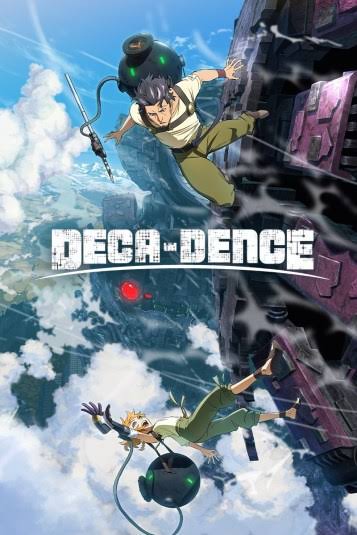
16. Deca-Dence
12 episodes · NUT
Humanity shelters inside a moving fortress, hunting the creatures that drove them there. Natsume wants to fight. Then episode two explains what is actually happening.
Read more
Say as little as possible about this one. The pitch sounds like standard post-apocalyptic action, and what it becomes is a genuinely strange story about systems, obsolescence and refusing the role you were assigned. The reveal is not a gimmick — it recontextualises everything and the series then commits fully to the new premise rather than walking it back. Twelve episodes, self-contained, and almost nobody talks about it.
Why watch it: Creative world-building and a first-episode turn that reframes the entire premise.
17. Princess Principal
12 episodes · Studio 3Hz · Actas
An alternate Victorian London, split by a wall. Five schoolgirls run espionage for the side that is losing. One of them is not who her file says she is.
Read more
The espionage is real espionage — cover identities, dead drops, assets who have to be burned — rather than action with a spy coat of paint. It also uses a non-linear episode order that pays off character reveals in an order a chronological telling could not. The animation and jazz score are excellent, and the central relationship between Ange and Charlotte is handled with far more restraint than the premise suggests. Overlooked because the character designs suggest something much lighter than what it is.
Why watch it: Stylish spycraft in a steampunk London, with genuinely clever missions.
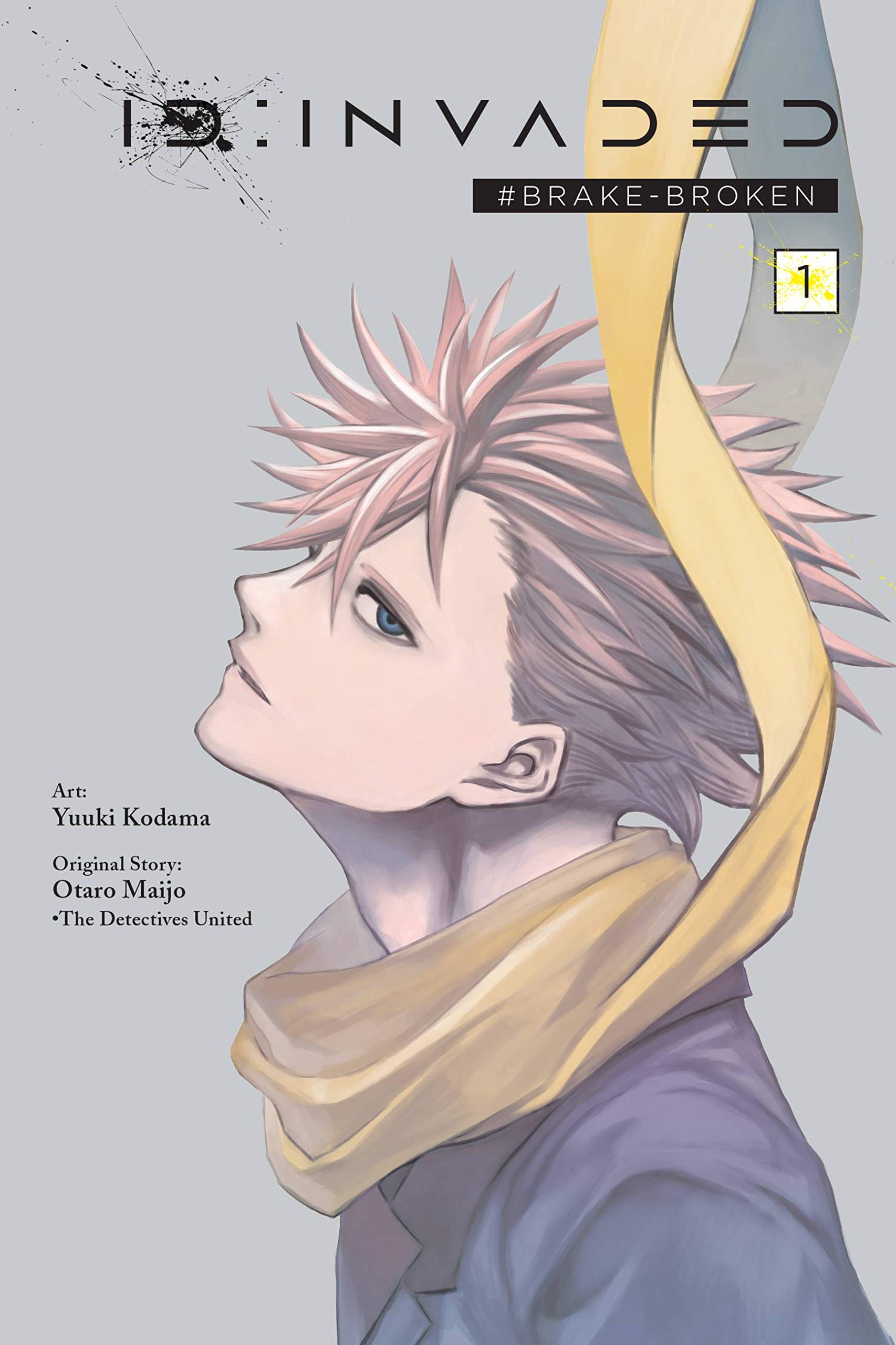
18. ID: INVADED
13 episodes · NAZ
Investigators enter the fragmented mental worlds of serial killers to gather evidence. Sakaido wakes inside each one with no memory, and one question: who killed the girl?
Read more
The premise could easily have been an excuse for surreal visuals, and instead it is used to build fair-play mysteries with rules you can reason about. Every id-well has an internal logic, and Sakaido has to deduce it before he can deduce the killer — two puzzles stacked. The series is written by Otaro Maijo and it shows in the structure. It sagged in reception because the mid-season shifts focus in a way some found jarring, but the concept is one of the most original of the last decade.
Why watch it: A fascinating concept executed as a genuine detective story rather than a gimmick.
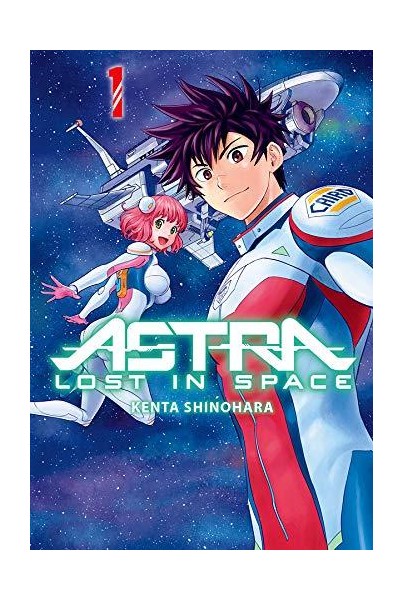
19. Astra Lost in Space
12 episodes · Lerche
Nine students on a school trip are thrown five thousand light-years from home. They find an abandoned ship and start planet-hopping their way back. Someone put them there deliberately.
Read more
It is a survival adventure on the surface and a tightly constructed mystery underneath, and the remarkable thing is that it plants its clues honestly — the reveals are all foreshadowed early enough that a careful viewer can beat the characters to them. The cast humour is broad and lands more often than not. Above all it is complete: twelve episodes, every thread closed, no sequel required. That is rare enough to be worth the recommendation on its own.
Why watch it: A complete, well-plotted adventure that resolves everything in twelve episodes.
Two more, with an asterisk
These get recommended constantly alongside the list above, and both deserve it — but neither fits the brief, so neither is ranked.
Frieren: Beyond Journey’s End
The story starts after the Demon King is dead and the party goes home. Frieren is an elf; the decade they spent together was a rounding error to her, and she is only now working out what she missed. It is a beautiful, patient series about grief and time.
It is also one of the most acclaimed anime of the decade, so it cannot honestly sit in a hidden-gems ranking. If you have somehow missed it, start there instead of anywhere on the list above.
Scavengers Reign
A crew is stranded on an alien world whose ecology is genuinely alien — organisms that use each other in ways the survivors have to understand before they can survive them. The creature design is the best in recent animation, full stop.
It is an American production, so it is not anime by any definition worth defending. It is recommended in the same breath as everything above because it scratches exactly the same itch, and it is 12 episodes.
Most underrated anime by genre
| Category | Watch |
|---|---|
| Best psychological | Shinsekai Yori |
| Best mystery | Odd Taxi |
| Best sci-fi | Heavenly Delusion |
| Best sports | Run with the Wind |
| Best comedy | Barakamon |
| Best historical | Golden Kamuy |
| Best emotional payoff | A Place Further Than the Universe |
| Best original concept | ID: INVADED |
| Best visual identity | Land of the Lustrous |
| Best single-cour story | Astra Lost in Space |
Ten to watch first
- Shinsekai Yori
- Heavenly Delusion
- Odd Taxi
- A Place Further Than the Universe
- Ping Pong the Animation
- Golden Kamuy
- Welcome to the N.H.K.
- Land of the Lustrous
- Summertime Rendering
- 91 Days
Why do great anime become underrated?
Timing, mostly. A strong series airing opposite a phenomenon gets no oxygen, and it never recovers, because the recommendation systems that surface older anime are weighted towards what was already popular. 91 Days and Princess Principal both lost that lottery.
Art style is the second cause, and it is brutal. Ping Pong the Animation loses more viewers in its first five minutes than in the whole rest of its run, and Land of the Lustrous was written off as cheap CG by people who never saw what the technique was for. The third is simply distribution — Summertime Rendering launched on a platform where no anime audience was looking, and vanished.
Frequently asked questions
What is the most underrated anime of all time?
Shinsekai Yori. It has a complete, meticulously built world, a mystery that pays off, and a reputation that never grew past the people who happened to find it. Almost everyone who watches it asks why they had never heard of it.
What counts as an underrated anime?
Not obscure for its own sake — a series whose quality clearly exceeds its audience. Most of these were buried by a crowded season, an off-putting art style, or no marketing budget, rather than by any flaw in the show.
Which underrated anime should I watch first?
If you want a mystery, Odd Taxi. If you want something emotional, A Place Further Than the Universe. If you want the one people never stop recommending once they find it, Shinsekai Yori.
Are any of these short enough to finish in a weekend?
Most of them. Ping Pong the Animation is 11 episodes, Terror in Resonance 11, and Odd Taxi, Barakamon, Land of the Lustrous, Deca-Dence, Princess Principal and Astra Lost in Space are 12 or 13.
Why do good anime end up underrated?
Usually timing. A strong series airing in the same season as a phenomenon gets no oxygen, and the recommendation algorithms that surface anime years later are weighted towards what was already popular. Art style is the other big one — Ping Pong loses more viewers in its first five minutes than in the rest of its run.
Final thoughts
For every franchise dominating your timeline there are a dozen series quietly doing something better and smaller. A show with ten thousand people who will not shut up about it is usually a safer recommendation than one with ten million who watched it because everyone else did.
More rankings: the top 100 best anime of all time, the saddest anime ever made, and the best dark fantasy anime.
Which underrated anime deserves more attention?
Shinsekai Yori? Odd Taxi? Something this list missed completely? Tell us in the comments — what do you recommend to someone who says they have already watched everything good?