
Dark fantasy removes the guarantee. In most adventure stories you know roughly who survives; here the protagonist can lose, the monsters can win, and the worst thing in the setting is frequently a person.
The best of it uses that freedom for something — war, trauma, revenge, corruption, the cost of survival — rather than simply being unpleasant. These 21 are ranked on world-building, atmosphere, character writing and how long they stay with you.
What is the best dark fantasy anime?
Berserk is the best dark fantasy anime, and most of the genre is downstream of it. Guts is not noble or clever; he simply refuses to stop, in a world built to make him.
For scale, Attack on Titan. For a world that is beautiful and lethal in equal measure, Made in Abyss. For something modern and unpredictable, Chainsaw Man. The full ranking of 21 is below.
Most of these contain graphic violence, and several contain body horror, sexual violence or harm to children. Berserk, Made in Abyss, Devilman Crybaby and Tokyo Ghoul are the ones worth reading about before starting.
- Anime Ranked
- 21
- Oldest Entry
- 1997
- Starter Picks
- 10
- Films Included
- 2
How this list is ranked
Being grim is not an achievement. What earns a place here is a world with rules that hold, characters whose choices cost them, and a reason for the darkness beyond shock. A series that makes you care first and then takes something away outranks one that opens at maximum bleakness and stays there.
The genre boundary is drawn generously. Monster has nothing supernatural in it and is here because it delivers exactly what dark fantasy fans want from a story. Castlevania is animated in the United States rather than Japan. Vampire Hunter D: Bloodlust is a film. All three earn their places on merit rather than on category.
One editorial note. The draft this grew from was titled as 25 entries but ranked four titles twice — Claymore, Devilman Crybaby, Made in Abyss and Attack on Titan each appeared at two positions. Its closing summary table also disagreed with its own body ordering. Every series is kept once here, at its higher placement, and the list is renumbered 1 to 21. Nothing was invented to pad it back to 25.
The 21 best dark fantasy anime
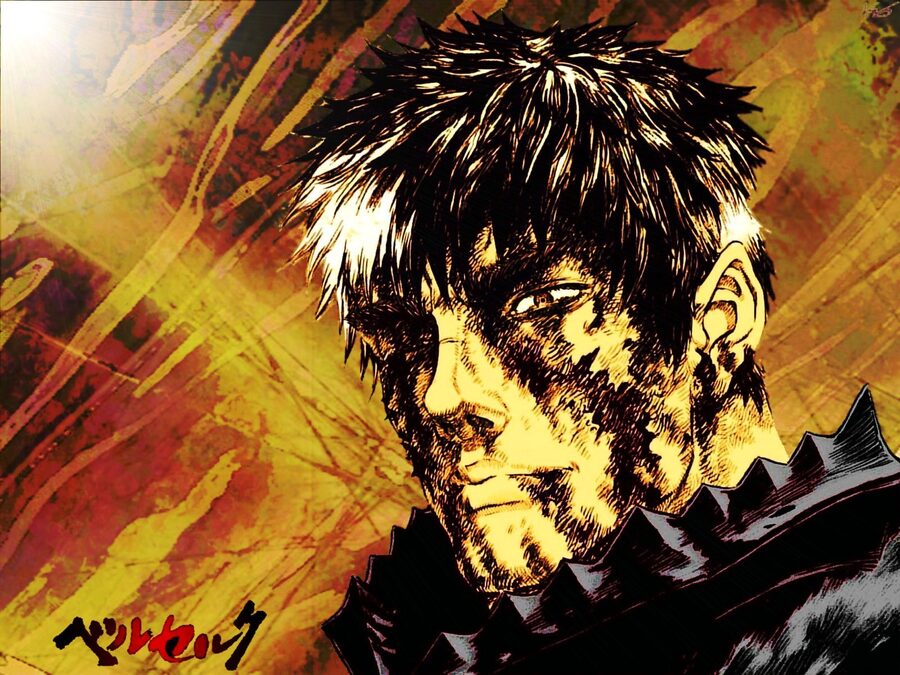
1. Berserk
1997 series · 25 episodes
Guts is a mercenary who has been fighting since before he could hold a sword properly. He joins the Band of the Hawk and, for the first time, belongs somewhere. Berserk is about what happens after that.
Read more
Its influence is difficult to overstate — the enormous sword, the doomed warrior, the world where ambition is a form of violence, all of it traces back here. What keeps it at the top is Guts himself. He is not noble, he is not clever, and he is frequently his own worst enemy. He simply refuses to stop, and the series treats that stubbornness as the only thing standing between him and a world designed to grind him down. The 1997 series is the best entry point for anime viewers; the manga remains the definitive version.
Why watch it: The story every other entry on this list is measured against.
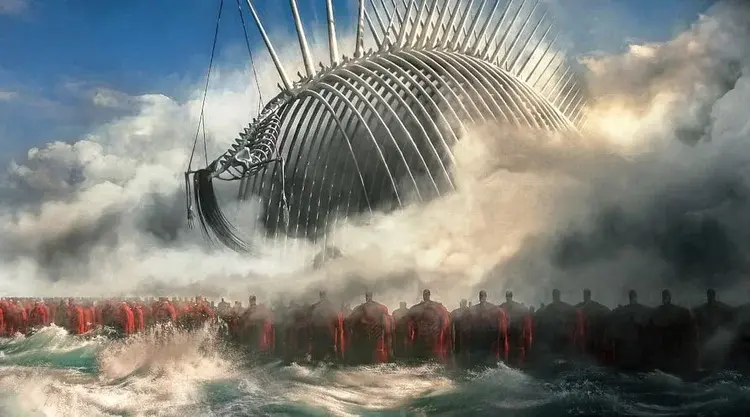
2. Attack on Titan
Four seasons
Humanity lives behind enormous walls because the alternative is being eaten. Eren Yeager wants to see what is outside. What he finds reframes everything the first season established.
Read more
Very few series change their own scope this drastically and survive it. The Titans stop being the threat and become a symptom; the walls stop being protection and become a policy. By the final arc the question is not who wins but whether anybody involved can stop, and the series refuses to let any faction be simply correct. It is the rare dark fantasy where the darkness is historical rather than supernatural.
Why watch it: Starts as humans against monsters and ends somewhere far more uncomfortable.
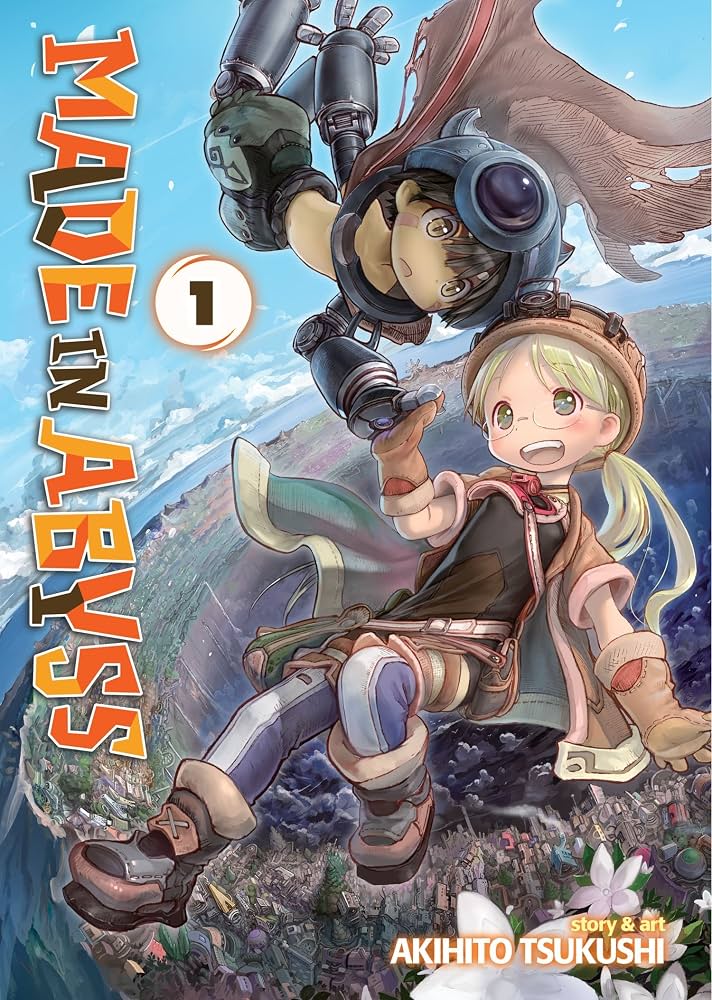
3. Made in Abyss
Two seasons + films
Riko wants to descend into the Abyss like her mother did. She and Reg, a robot boy with no memory, begin climbing down. The Curse of the Abyss makes going back up progressively more horrific.
Read more
The art style is soft and the world is genuinely wondrous, which is precisely the trap. Every layer down is more spectacular and less survivable, and the series is willing to inflict permanent consequences on children in a way almost nothing else attempts. It earns third place by making exploration feel joyful and then charging full price for it.
Why watch it: The most beautiful world here, and the one most obviously trying to kill you.
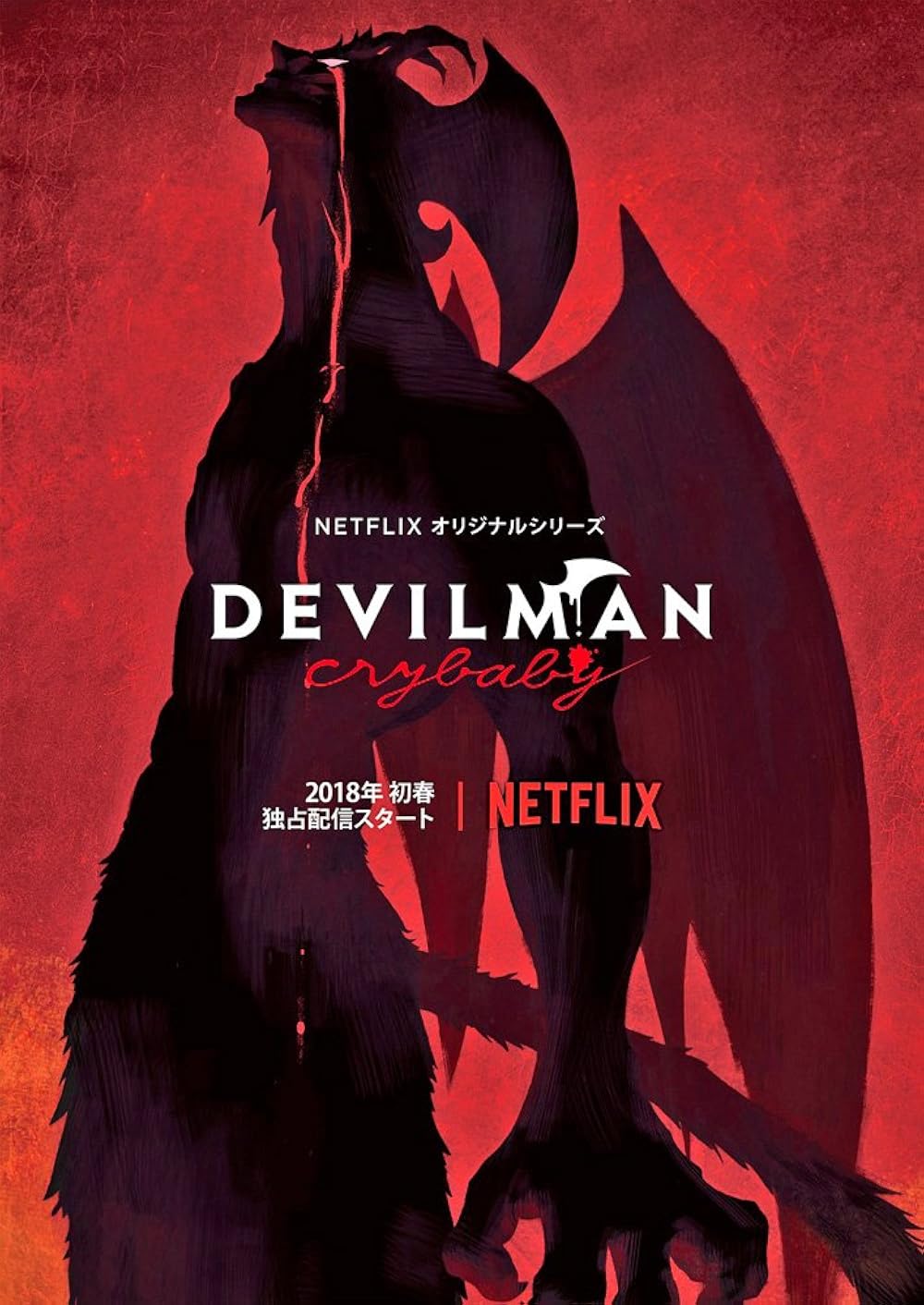
4. Devilman Crybaby
10 episodes · Science SARU
Akira Fudo merges with a demon and keeps his human heart. As demons surface worldwide, humanity’s response turns out to be the real horror.
Read more
Masaaki Yuasa’s direction makes it look like nothing else — loose, elastic, deliberately ugly at times — and the compressed run means it never slows down. The demons are frightening; the mobs are worse. It is a story about how quickly fear converts ordinary people into something monstrous, and it commits to that thesis completely in its final two episodes.
Why watch it: Ten episodes, no restraint, an ending people do not forget.
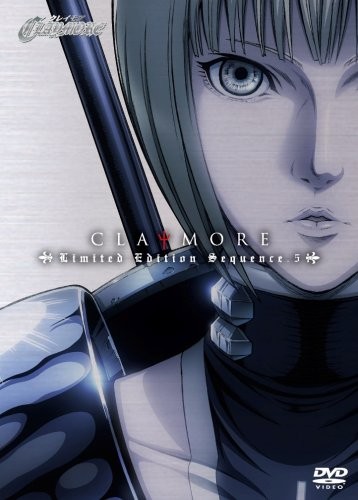
5. Claymore
26 episodes
Yoma disguise themselves as humans and eat them. The only effective weapons are the Claymores — women infused with Yoma flesh, which makes them strong enough to fight and permanently at risk of becoming what they hunt.
Read more
The premise is the appeal: every fight costs the warrior something, because pushing past a threshold means Awakening and losing herself entirely. Clare’s revenge story runs alongside a slowly unfolding conspiracy about the organisation that made her. The anime diverges from the manga late on, which is worth knowing going in, but the atmosphere and the sword work hold up.
Why watch it: Monster hunters who are themselves half monster, with everything that implies.
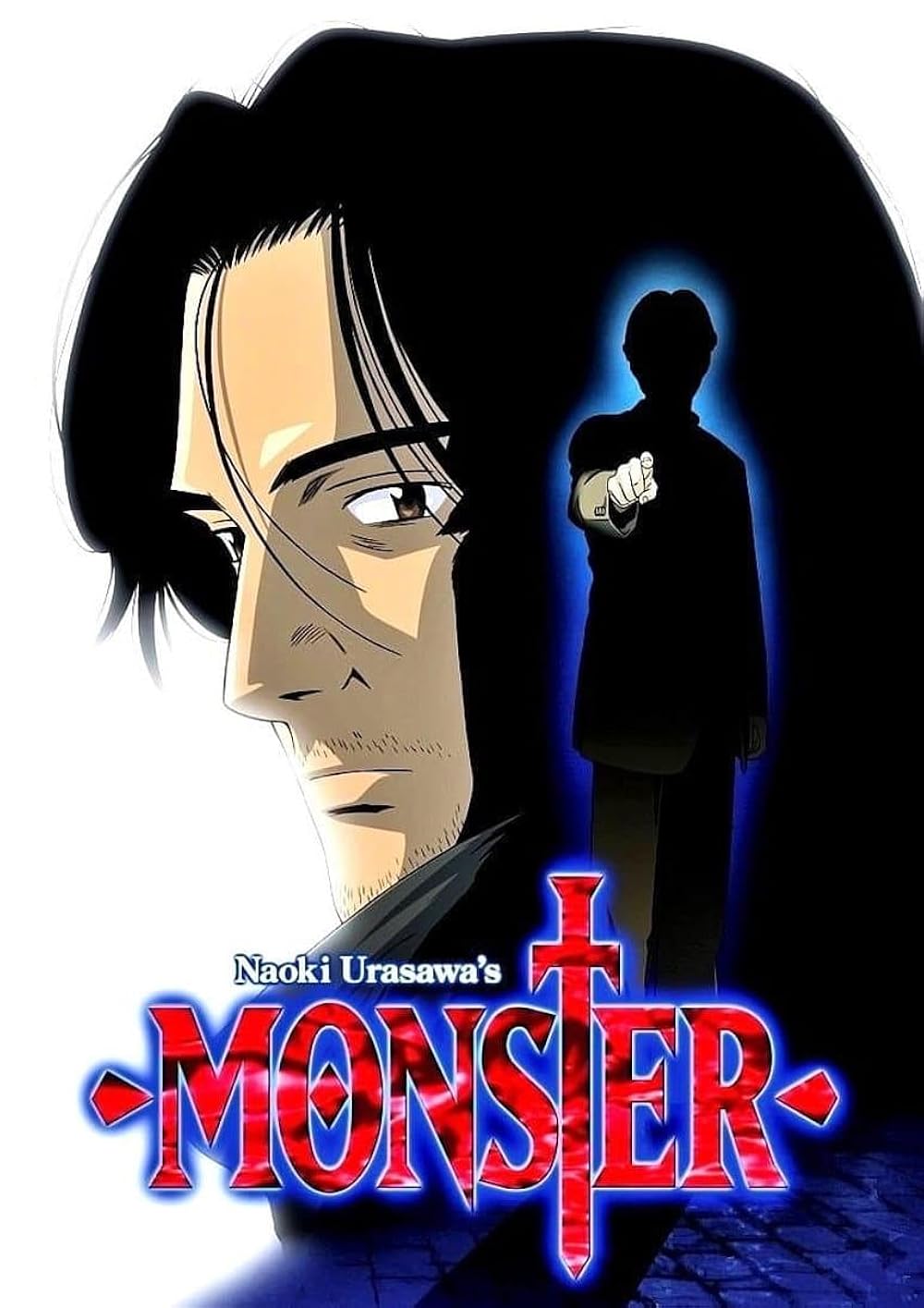
6. Monster
74 episodes
Dr Kenzo Tenma chooses to save a boy instead of a politician. Years later he learns exactly what he saved. Johan Liebert is charming, patient, and entirely without a floor.
Read more
It is on this list despite not being fantasy because it delivers what dark fantasy fans actually want: a world where doing the right thing has catastrophic consequences and the antagonist cannot be beaten by being stronger. Naoki Urasawa builds Johan through other people’s testimony rather than through set pieces, so the dread accumulates over seventy episodes. There is nothing supernatural in it and it is scarier than most things that are.
Why watch it: No demons, no magic, and the most frightening antagonist in anime.

7. Re:Zero − Starting Life in Another World
Three seasons
Subaru dies and returns to a checkpoint, keeping every memory. Nobody else does. He has no combat ability, so the only way through a problem is to fail it repeatedly until he understands it.
Read more
Stripped of the fantasy trappings it is a story about trauma and repetition: watching people you care about die, going back, and being the only person who remembers. The series is unusually willing to make Subaru unlikeable while it happens — self-pitying, dishonest, cruel to people trying to help — because that is what the mechanic would actually do to someone.
Why watch it: An isekai that treats respawning as a psychological injury.
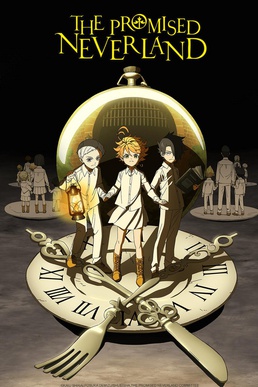
8. The Promised Neverland
Season 1 · 12 episodes
Emma, Norman and Ray live in an idyllic orphanage with a caretaker who loves them. Then they see what happens to the children who get adopted.
Read more
The first season is a closed-room thriller: children with no power except intelligence, against an adult who knows them completely and is watching for exactly the behaviour they cannot avoid. Every episode is a move and a counter-move, and the tension comes from information rather than violence. The second season is widely considered a serious drop, so the first is where the recommendation sits.
Why watch it: One of the best opening seasons in anime, and it needs no fights at all.
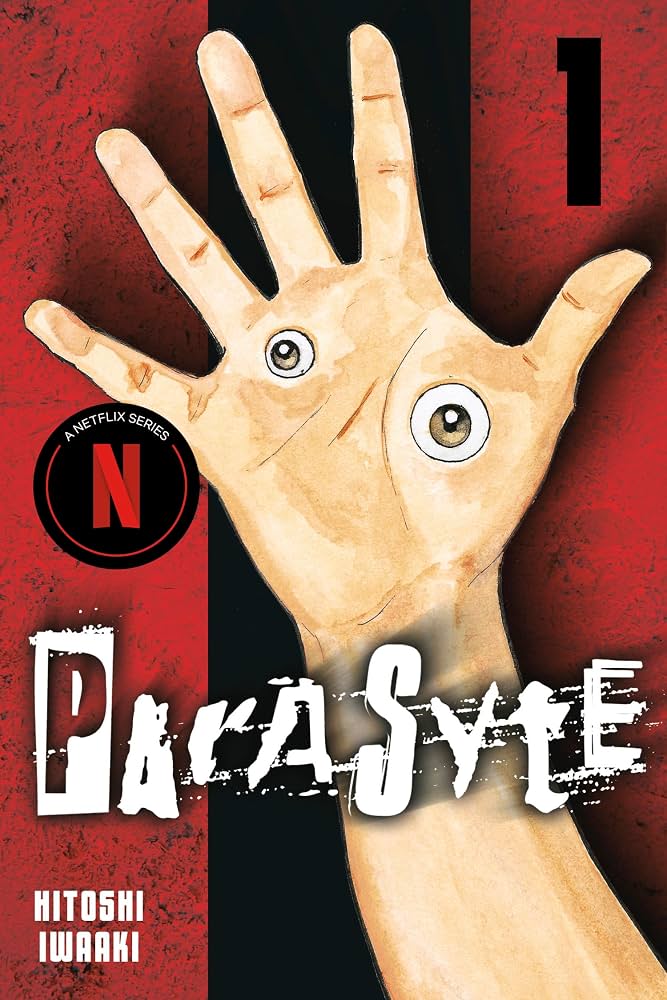
9. Parasyte: The Maxim
24 episodes
Alien parasites take over human bodies by reaching the brain. The one that targets Shinichi Izumi fails, ending up in his right hand instead. They are stuck with each other.
Read more
Migi is the best thing in it — utterly rational, curious rather than malicious, and consistently the more coherent of the two on questions of ethics. As Shinichi becomes physically stronger he also becomes less recognisably human, and the series keeps asking which of them is actually the monster without ever settling it cheaply.
Why watch it: Body horror that turns into a genuine argument about what people are.
10. Chainsaw Man
12 episodes + film
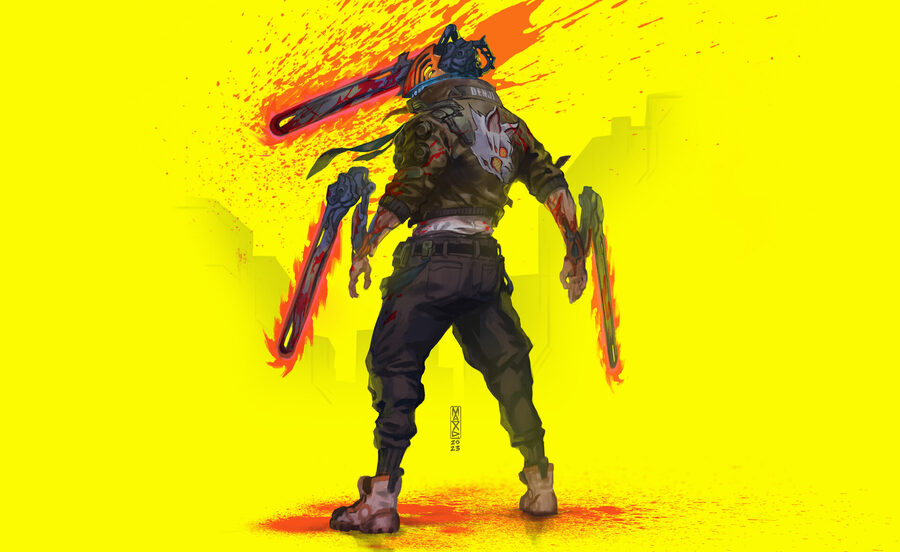
Denji owes a debt he inherited, lives in a shed, and wants bread with jam on it. After being killed he merges with his devil dog Pochita and becomes something the government finds useful.
Read more
The violence is extraordinary and the reason it lands is that Denji’s wants are so modest — a meal, a bed, being touched by someone who means it. Everyone around him is manipulating him and most of them are fond of him at the same time. It is funny, then abruptly cruel, and the tonal swerve is the whole design rather than an accident.
Why watch it: Devils, poverty, and a protagonist whose ambitions are heartbreakingly small.
11. Fate/Zero
25 episodes
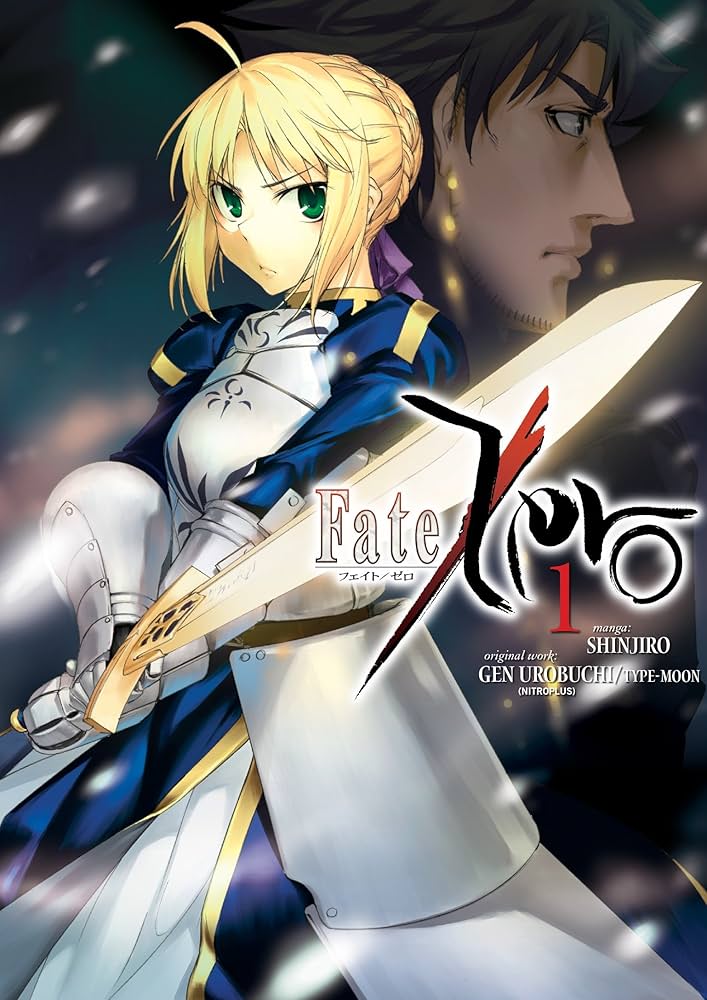
The Holy Grail War summons seven Servants from history and myth for seven Masters. Only one pair can win. Kiritsugu Emiya intends to win by refusing to fight fairly at any point.
Read more
What makes it more than a battle royale is the argument running underneath: Kiritsugu’s utilitarian butchery against Saber’s chivalry against Rider’s conquest against Kirei’s emptiness. Nobody is straightforwardly right. The production is lavish, the dialogue scenes are as strong as the fights, and knowing where it ends does not reduce the impact.
Why watch it: Seven adults with incompatible ideas about heroism, killing each other over a wish.

12. Castlevania
Four seasons
Dracula declares war on humanity after the church burns his wife. Trevor Belmont, Sypha Belnades and Alucard — Dracula’s own son — are what stands in the way.
Read more
It is animated in the United States rather than in Japan, which some lists exclude on principle; it earns its place here on the strength of the writing. Dracula is not a monster to be defeated but a grieving man committing suicide by genocide, and the series treats the church that provoked him as the actual antagonist. The fight choreography is superb and the dialogue is better.
Why watch it: Gothic horror with the best-written Dracula in animation.
13. Vampire Hunter D: Bloodlust
2000 film
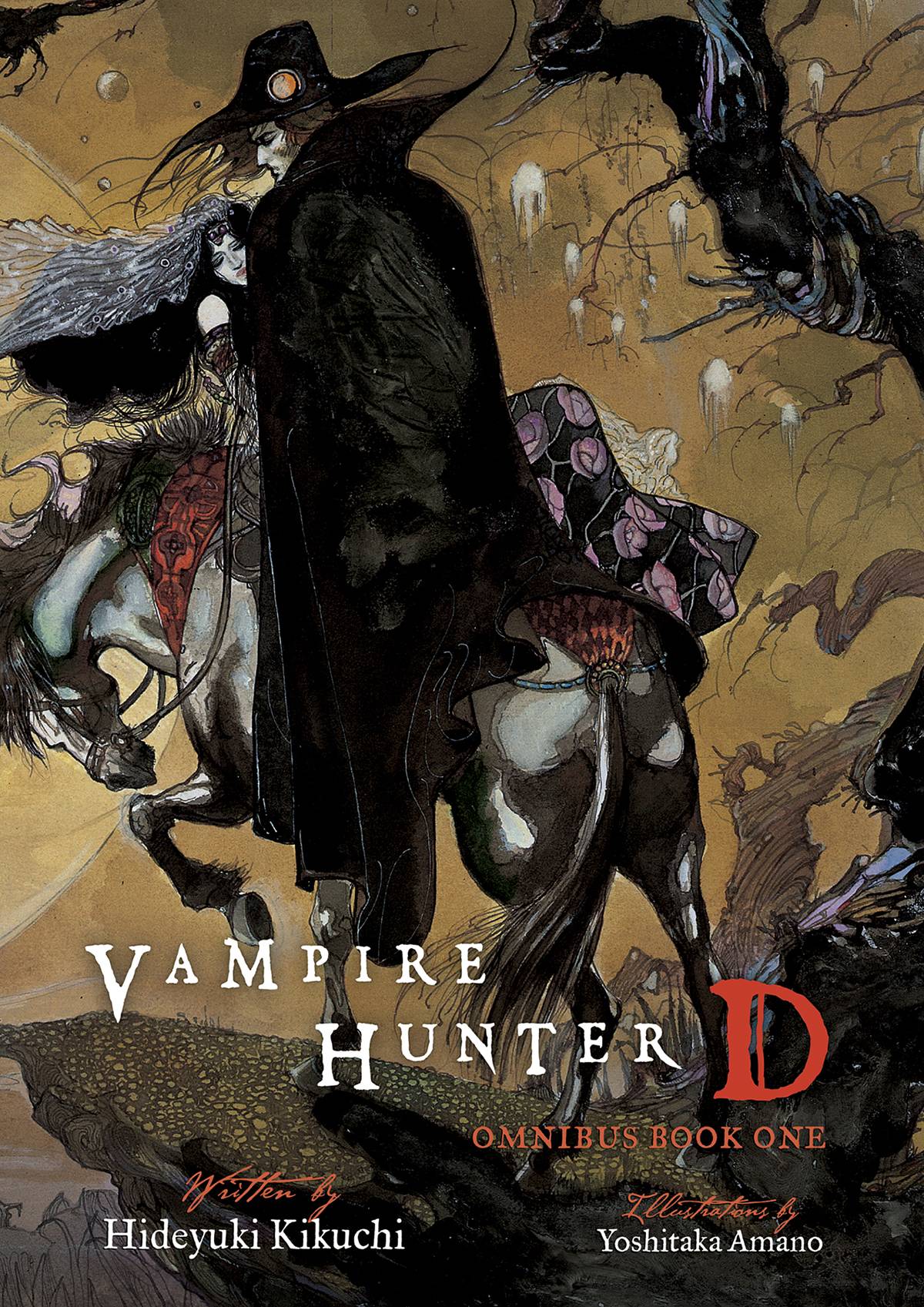
D is a dhampir — half human, half vampire — hired to recover a woman taken by a vampire noble. He is competing with a family of rival hunters for the contract.
Read more
Yoshiaki Kawajiri’s direction and Yoshitaka Amano’s designs produce something closer to gothic painting than television animation, and almost nothing since has matched its atmosphere. The plot is simple and the film knows it; the point is the world, the decaying aristocracy, and a protagonist who barely speaks. Watch it for how it looks and stay for how sad it is.
Why watch it: The best-looking dark fantasy in anime, twenty-five years on.
14. Black Butler
Multiple seasons
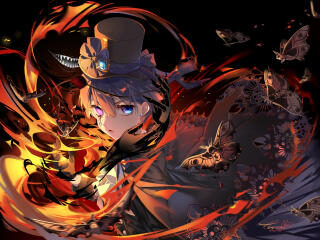
Ciel Phantomhive, twelve years old and head of a noble house, has contracted a demon to serve him until his revenge is complete. Sebastian is impeccable, obliging, and waiting to collect.
Read more
The appeal is the arrangement itself: an employer who knows precisely what his butler is and a butler who finds the arrangement entertaining. Underneath the period detail and the comedy is a genuinely bleak setup — a child who has already traded his soul and is spending what remains of his life on revenge.
Why watch it: Victorian gothic with a demon in a waistcoat.
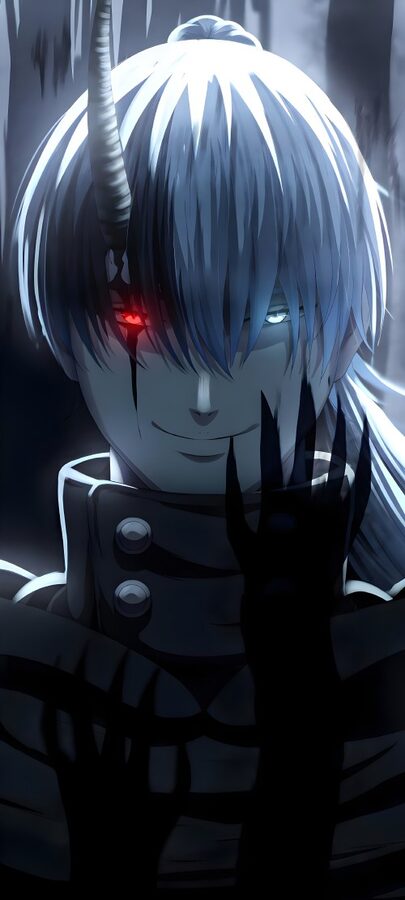
15. Jujutsu Kaisen
Multiple seasons
Curses form from human negativity and have to be exorcised by sorcerers who mostly die doing it. Yuji Itadori swallows a finger belonging to Sukuna and becomes his vessel.
Read more
Its reputation rests on refusing the usual protections: named characters die, plans fail outright, and the strongest character in the setting spends much of the story unable to help. Cursed techniques operate on stated rules, which makes the fights read as arguments about those rules rather than escalating power levels — and it makes the losses land harder.
Why watch it: The modern standard for supernatural action with real consequences.
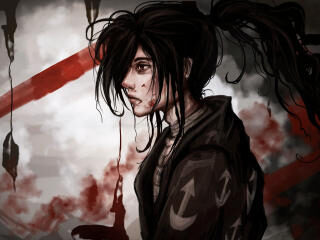
16. Dororo
24 episodes
Hyakkimaru’s father traded his son’s body parts to demons for prosperity. Hyakkimaru survives, and each demon he kills returns a piece of himself — his skin, his hearing, his eyes.
Read more
The complication is the good part: the land has genuinely prospered under that bargain, so every part Hyakkimaru reclaims takes something from people who had nothing to do with it. The series sets a straightforward revenge plot against a real moral cost and refuses to resolve it comfortably. Set in a war-torn Muromachi Japan that is grim without being gratuitous.
Why watch it: A demon-hunting story that keeps asking whether the hunt is justified.
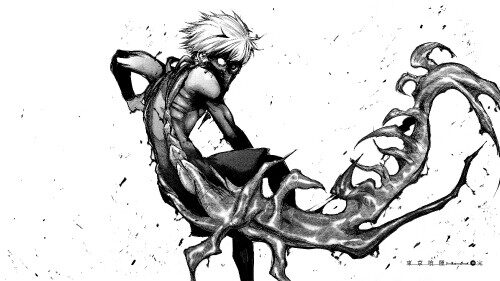
17. Tokyo Ghoul
Four seasons
Ghouls look human and survive by eating people. After a date goes catastrophically wrong, Ken Kaneki wakes up as half of one, unable to eat human food and unwilling to eat anything else.
Read more
The first season is the strongest: a bookish student discovering that the people he must now feed on include everyone he knows. Kaneki’s change from timid to something considerably harder is the spine of the series, and the torture sequence that completes it remains one of the most discussed scenes in the medium. Later adaptations compress the source heavily — the manga is the fuller experience.
Why watch it: The transformation at its centre is one of anime’s most quoted for a reason.
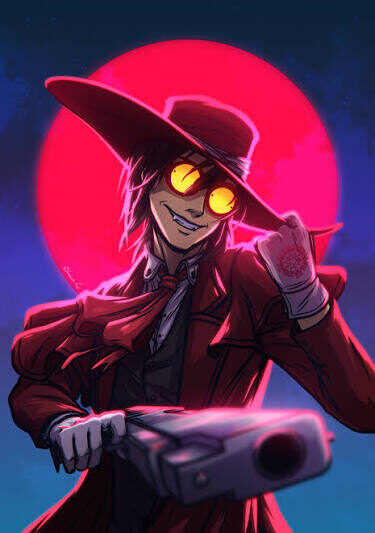
18. Hellsing Ultimate
10 OVA episodes
The Hellsing Organisation defends Britain from the supernatural using Alucard, a vampire so far beyond the threats he is deployed against that the fights are less battles than demonstrations.
Read more
It makes no attempt at subtlety and is far better for it. The OVA format meant a budget and a schedule the original series never had, and the result is stylish, extremely violent and frequently very funny. Alucard is a genuine screen presence — a monster kept on a leash who finds the arrangement amusing — and the Nazi vampire battalion is exactly as ridiculous as it sounds.
Why watch it: The most purely enjoyable violence on this list.
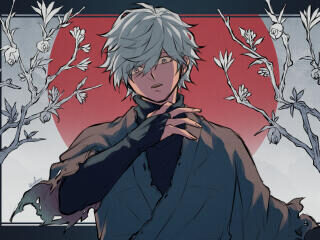
19. Hell's Paradise
Two seasons
Gabimaru, a shinobi who cannot die, is offered a pardon: retrieve the Elixir of Life from Shinsenkyo. Almost every previous expedition has come back in pieces, if at all.
Read more
The island is the star — flowers growing from corpses, statues that move, beings the story treats as gods rather than monsters. The criminals sent there are strong by human standards and comprehensively outclassed, which turns the arc into a series of problems to be solved rather than fights to be won. MAPPA’s adaptation is appropriately unpleasant to look at in the right places.
Why watch it: A death-row survival story on an island that stopped following the rules.
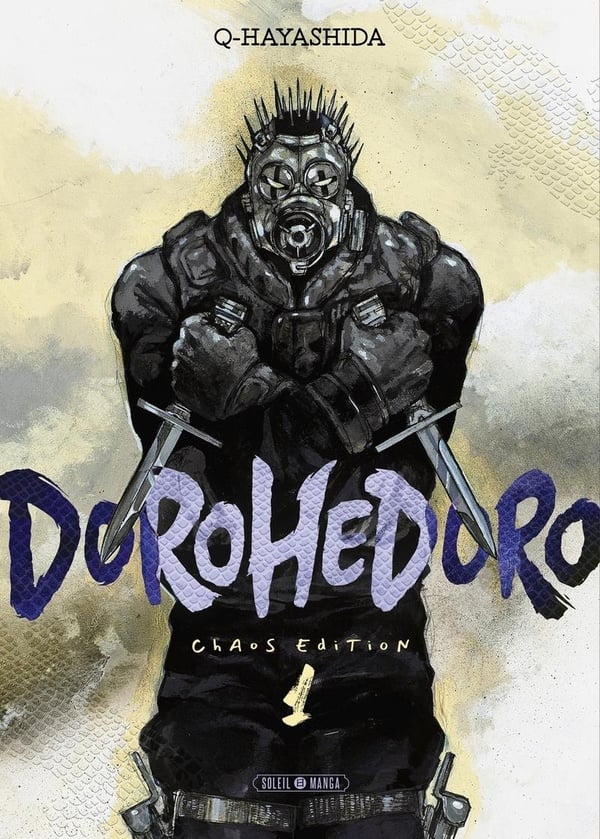
20. Dorohedoro
12 episodes + OVAs
Caiman has the head of a reptile and no memory of who he was. He hunts sorcerers, putting their heads in his mouth so the man living inside his throat can identify the one responsible.
Read more
It should not work. The setting is filthy, violent and genuinely unpleasant, and the series is also a hangout comedy about people who like each other and enjoy their jobs. Q Hayashida’s designs are unlike anything else, and the CG adaptation — usually a warning sign — suits the grime perfectly. Nothing else on this list is having as much fun.
Why watch it: The strangest world here, and the most likeable cast.
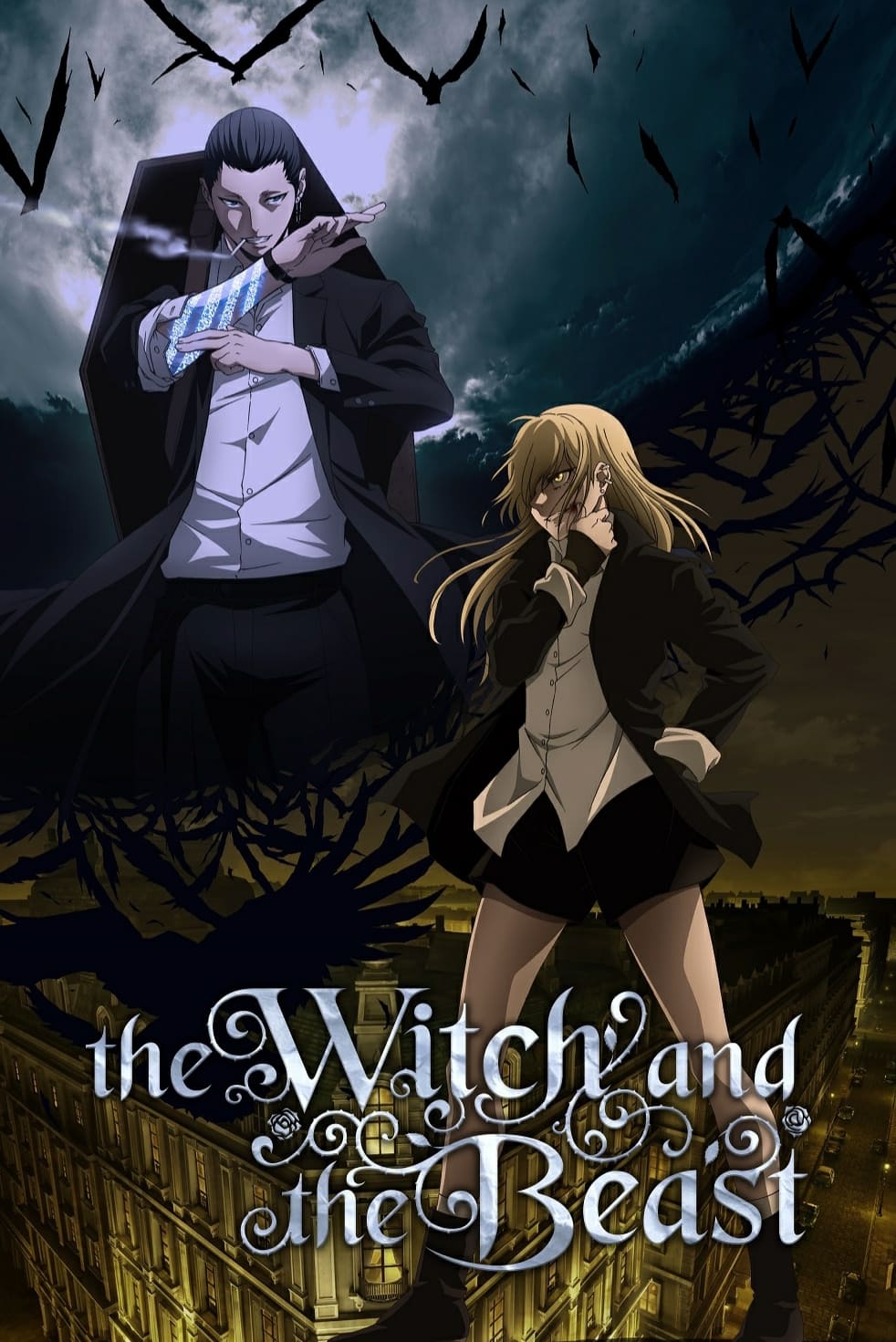
21. The Witch and the Beast
12 episodes
Guideau is hunting the witch who cursed her. Ashaf travels with her, carrying a coffin and considerably more knowledge than he shares.
Read more
The structure is closer to a case-of-the-week than an epic: witches, necromancers and magical experiments, most of them ending badly for everyone involved. The appeal is the atmosphere and the central pair, whose relationship is never fully explained. The newest entry on this list and the one most likely to be unfamiliar.
Why watch it: Gothic supernatural procedural with a genuinely nasty world.
Best dark fantasy anime by category
| Category | Watch |
|---|---|
| Best classic dark fantasy | Berserk |
| Best modern dark fantasy | Chainsaw Man |
| Best world-building | Made in Abyss |
| Best monster hunting | Claymore |
| Best psychological | Monster |
| Best gothic | Castlevania |
| Best supernatural action | Jujutsu Kaisen |
| Best vampire anime | Hellsing Ultimate |
| Best looking | Vampire Hunter D: Bloodlust |
| Strangest | Dorohedoro |
Ten to watch first
- Berserk
- Attack on Titan
- Made in Abyss
- Chainsaw Man
- Devilman Crybaby
- Monster
- Jujutsu Kaisen
- Parasyte: The Maxim
- Castlevania
- Dorohedoro
What makes dark fantasy work?
Stakes that are actually stakes. Once a story establishes that it will kill someone who matters, every subsequent scene carries weight that a safer series cannot manufacture. The monsters are rarely the point — they are a way of asking what people do when the usual protections are gone.
Which is why the strongest entries here are about war, grief, corruption and survival rather than about how frightening the creature design is. Berserk, Attack on Titan and Devilman Crybaby all end up in the same place: the supernatural threat is bad, and the human response is worse.
Frequently asked questions
What is the best dark fantasy anime of all time?
Berserk. Its influence runs through most of the genre, and the 1997 series remains the best entry point for anime viewers — though the manga is the definitive version of the story.
What is the darkest anime ever made?
Devilman Crybaby and Made in Abyss are the two most commonly named, for different reasons: one for how far it goes in ten episodes, the other for being willing to inflict permanent harm on children inside a beautiful world.
Is Attack on Titan dark fantasy?
Yes, though it changes category as it goes. It begins as survival horror against monsters and ends as a story about history, nationalism and cycles of revenge, with the supernatural element revealed as something much closer to politics.
Where should I start with dark fantasy anime?
Chainsaw Man or Jujutsu Kaisen if you want something modern and immediately gripping, Parasyte if you want horror with ideas, and Berserk when you are ready for the genre’s benchmark.
Is Monster really dark fantasy?
Not literally — there is nothing supernatural in it. It is included because it delivers what the genre is for: a world where the right choice has terrible consequences and the antagonist cannot be defeated by force.
Final thoughts
Dark fantasy is not difficult to make and is very difficult to make well. Anyone can kill a beloved character; the series on this list earn the loss first, which is why they are still being argued about decades later.
More rankings: the top 100 best anime of all time, the saddest anime ever made, and the 50 strongest anime characters.
Which dark fantasy anime is your number one?
Berserk? Attack on Titan? Made in Abyss? Devilman Crybaby? Or something this list missed entirely? Tell us in the comments — and if you have never watched Dorohedoro, fix that.