
A good action series makes your heart race for twenty minutes. A great romance makes you think about two fictional people weeks later, usually at an inconvenient moment.
The best romance anime are rarely about falling in love. They are about timing, misreading each other, friendship, jealousy, family, and the small moments that make a relationship feel like it belongs to actual people. Some are hilarious, some are unbearable, and the best ones take their time.
What is the best romance anime?
Toradora! is the best romance anime. It lets its leads be jealous, dishonest and wrong for most of its run, so that when they finally understand what they want, the relationship feels earned rather than granted.
If you want comedy, Kaguya-sama: Love Is War. If you want to be wrecked, Your Lie in April. If you want adults instead of students, Nana. The full ranking of 20 is below.
- Anime Ranked
- 20
- Longest Run
- 63
- Starter Picks
- 10
- Film Included
- 1
How this list is ranked
A romance earns its place here on whether the relationship convinces. That means character writing, pacing, and whether the two people involved actually change each other — not how dramatic the confession is. A series that spends twenty episodes on one honest conversation can outrank one that resolves everything by episode three.
Films and series are ranked together, which slightly favours series: more hours means more room to build. Where a show is split across seasons, the whole run is judged as one work.
One editorial note. The draft this grew from was titled as 25 entries but ranked five titles twice — Toradora!, Kaguya-sama, Fruits Basket, Your Lie in April and Rascal Does Not Dream each appeared at two different positions. Every title is kept once here, at its higher placement, and the list is renumbered 1 to 20. Nothing was invented to pad it back to 25.
The 20 best romance anime
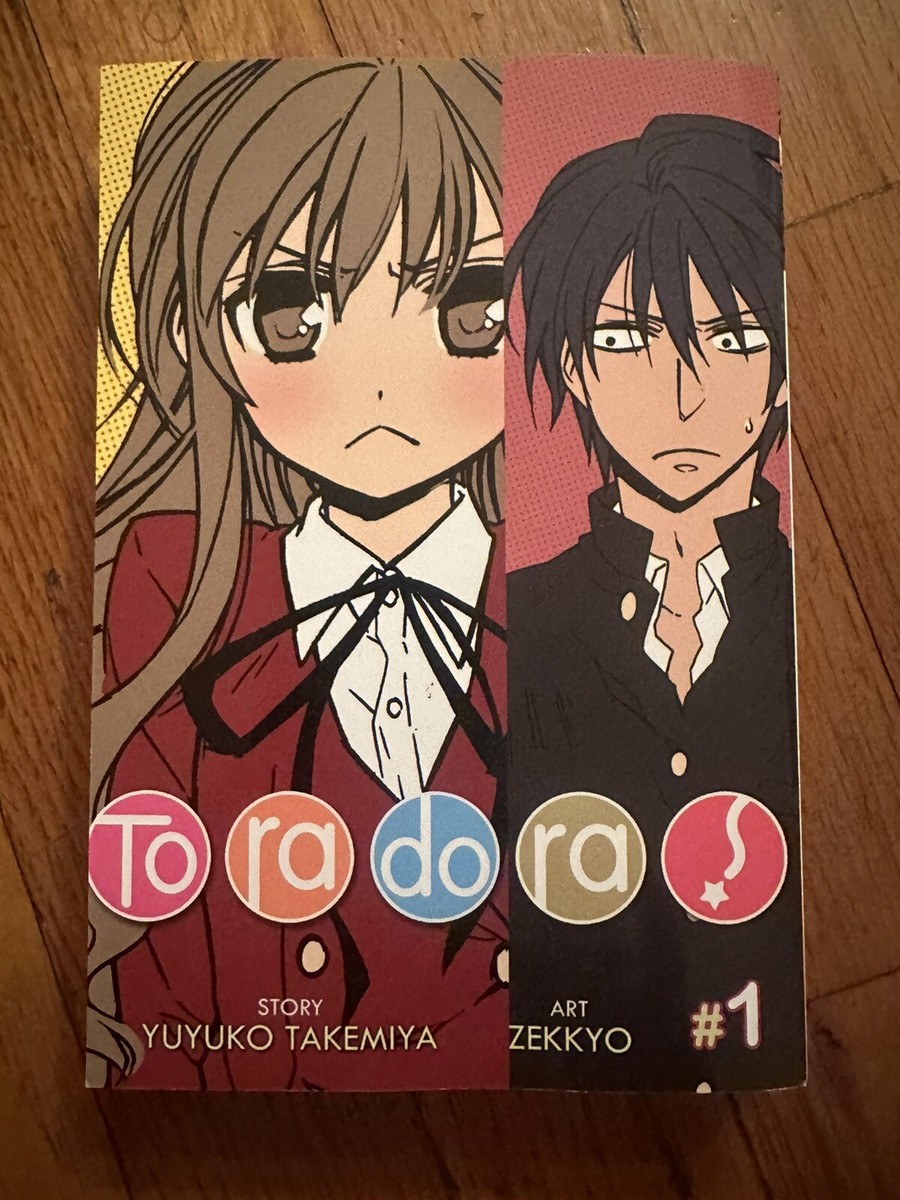
1. Toradora!
25 episodes
Ryuuji Takasu looks like a delinquent and is quietly domestic. Taiga Aisaka looks harmless and is anything but. They strike a deal to help each other reach their respective crushes, and it goes wrong in the most productive way possible.
Read more
What lifts it above the premise is patience. The series lets its characters be jealous, petty and wrong, and it lets them misread each other for a long time before anyone says anything honest. By the time the confession arrives it has been paid for in full — which is why it still tops these lists years later, and why so many romance anime since have been measured against it.
Why watch it: The relationship is earned rather than announced.

2. Fruits Basket
63 episodes (2019–2021)
Tohru Honda loses her mother and ends up living with the Sohma family, whose members transform when embraced by the opposite sex. It presents as a gentle supernatural comedy and turns into something much heavier.
Read more
The 2019 adaptation had the space to cover the whole manga, and it uses it on trauma, abuse, family obligation and forgiveness. Tohru matters because she does not fix anyone; she gives damaged people somewhere they can be accepted, which turns out to be harder and rarer. The final season lands one of the most complete endings in the genre.
Why watch it: The romance works because the characters heal each other rather than complete each other.

3. Kaguya-sama: Love Is War
Three seasons + film
Kaguya Shinomiya and Miyuki Shirogane are the two smartest students at Shuchiin Academy, they are obviously in love, and neither will admit it first. So they turn courtship into psychological warfare.
Read more
Most romantic comedies built on a will-they-won’t-they run the same joke until it dies. This one keeps escalating the schemes while quietly moving the relationship forward, so the comedy and the romance feed each other instead of competing. The supporting cast — Chika, Ishigami, Hayasaka — carry some of both the funniest and the most affecting material in the series.
Why watch it: A comedy about avoiding confession that actually lets the romance progress.

4. Clannad: After Story
Two seasons
Clannad is a school romance about Tomoya Okazaki and Nagisa Furukawa. After Story follows them past graduation into work, marriage and parenthood.
Read more
Almost no romance anime commits to the after. That single decision changes what the story is about: not whether two people get together, but whether they can hold a life together once they have. It is warm, then domestic, then devastating, and the reason people still bring it up is that it treats an ordinary adult life as worth the same attention as a confession scene.
Why watch it: It keeps going after the part where most romance anime end.
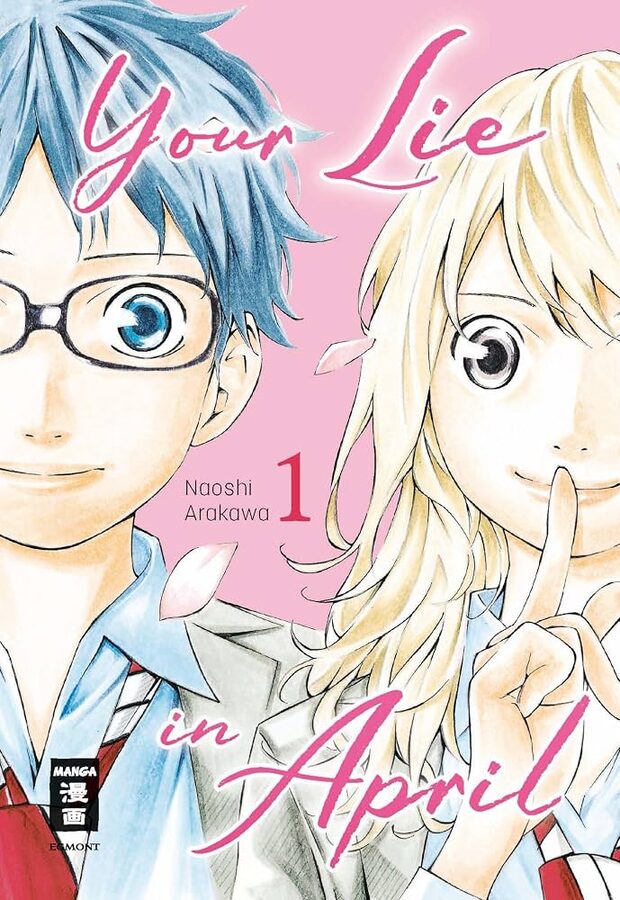
5. Your Lie in April
22 episodes
Kousei Arima was a child prodigy who stopped being able to hear his own playing after his mother died. Kaori Miyazono is a violinist who plays however she likes and drags him back toward the piano.
Read more
The performances are the emotional engine — they stop being recitals and become arguments, apologies and confessions the characters have no other way to make. It builds slowly enough that the last stretch feels personal rather than manipulative. Widely recommended, widely cried over, and fair warning: it does not soften the landing.
Why watch it: Music says everything the characters cannot.
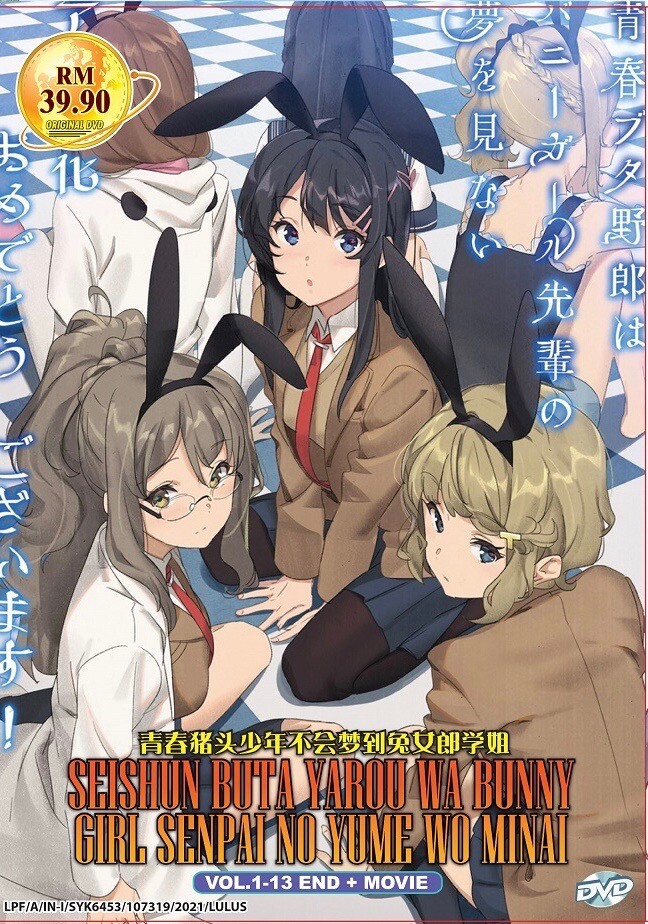
6. Rascal Does Not Dream of Bunny Girl Senpai
13 episodes + films
Sakuta Azusagawa meets Mai Sakurajima, a well-known actress who is slowly becoming invisible to everyone around her. The cause is Adolescence Syndrome, where private anguish takes physical form.
Read more
The title is doing the series no favours. What is actually here is a sharp supernatural drama about isolation, reputation and self-image, anchored by a couple who talk to each other like adults. Sakuta and Mai get together early and stay together, and the tension comes from the world rather than from contrived misunderstandings — a rare and welcome structure in this genre.
Why watch it: One of the healthiest couples in anime, in a story about invisible problems.
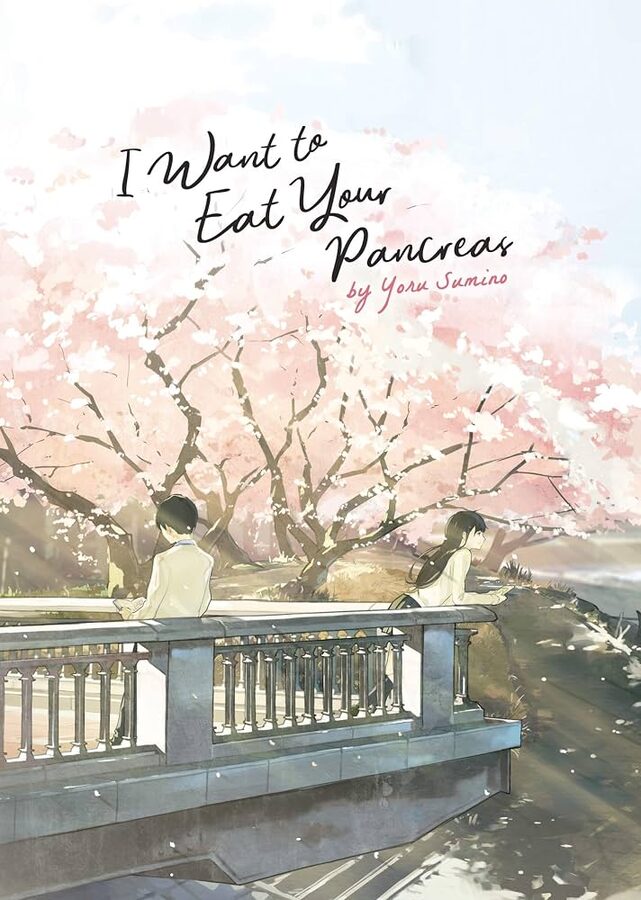
7. I Want to Eat Your Pancreas
2018 film
A withdrawn student finds a diary and learns that his outgoing classmate Sakura Yamauchi has a terminal pancreatic illness. She decides he is exactly the person she wants to spend her remaining time with.
Read more
Calling it a romance undersells it slightly; it is about connection and the specific weight of time you know is limited. The film keeps its tone light for much longer than expected, which is precisely what makes the last act land. The title is deliberately off-putting and the film underneath it is one of the most affecting in the medium.
Why watch it: A story about making memories against a deadline.

8. Kimi ni Todoke
Three seasons
Sawako Kuronuma is kind, shy and completely misread by her classmates, who nickname her after the ghost from a horror film. Kazehaya, the most approachable boy in the year, simply talks to her.
Read more
The story is as much about friendship and social anxiety as romance. Progress is measured in a conversation that finally happens, a misunderstanding that finally clears, a girl learning she is allowed to want things. It is unhurried to a degree that frustrates some viewers, and that patience is exactly why the payoff means something.
Why watch it: The slowest burn on this list, and the most patient.
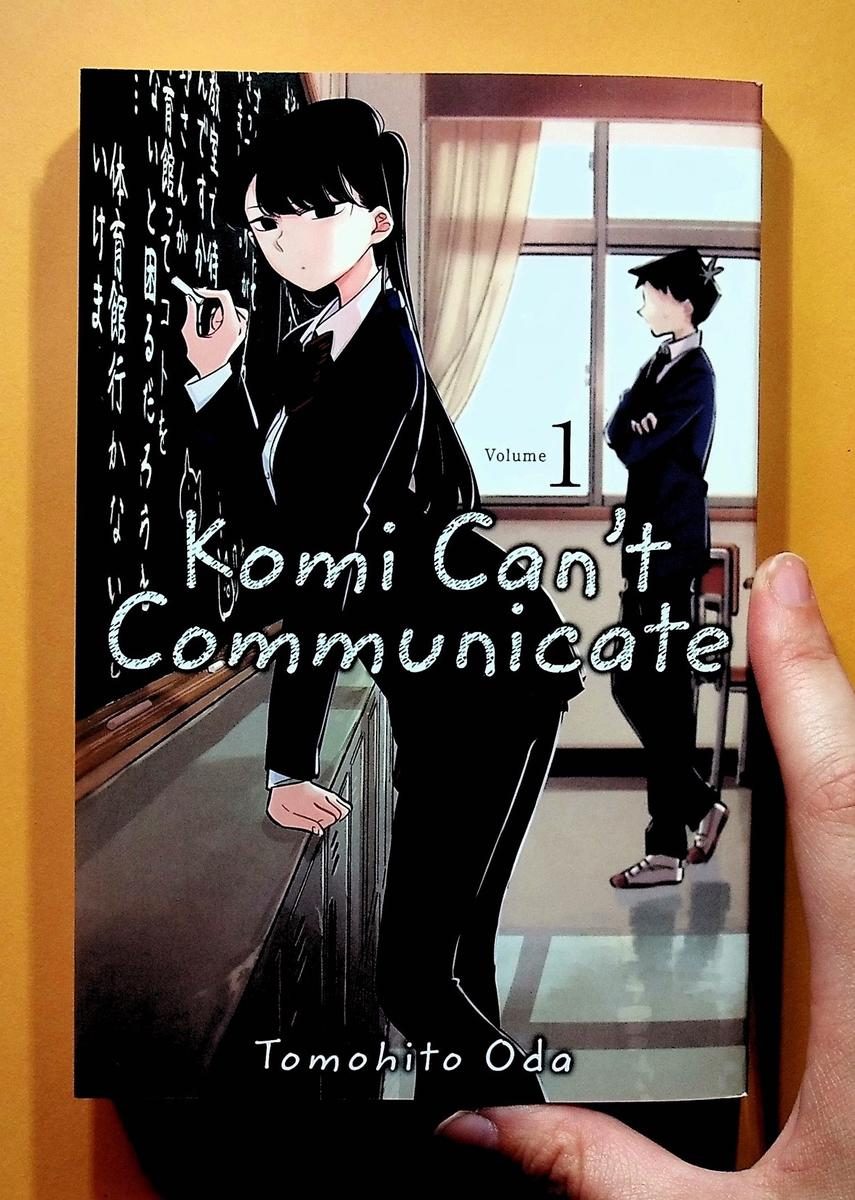
9. Komi Can't Communicate
Two seasons
Shoko Komi is admired by the entire school and cannot speak to any of them. Her classmate Tadano works out what is happening and helps her toward her goal of making a hundred friends.
Read more
The enormous cast of eccentrics is the comedy engine, but the series never treats Komi’s anxiety as the joke. Tadano is the rarest thing in a romantic comedy: a considerate lead who is funny without being cruel. The romance builds slowly in the background while the friendships do the heavy lifting.
Why watch it: Wholesome to its core, with a genuinely sweet relationship underneath the gags.
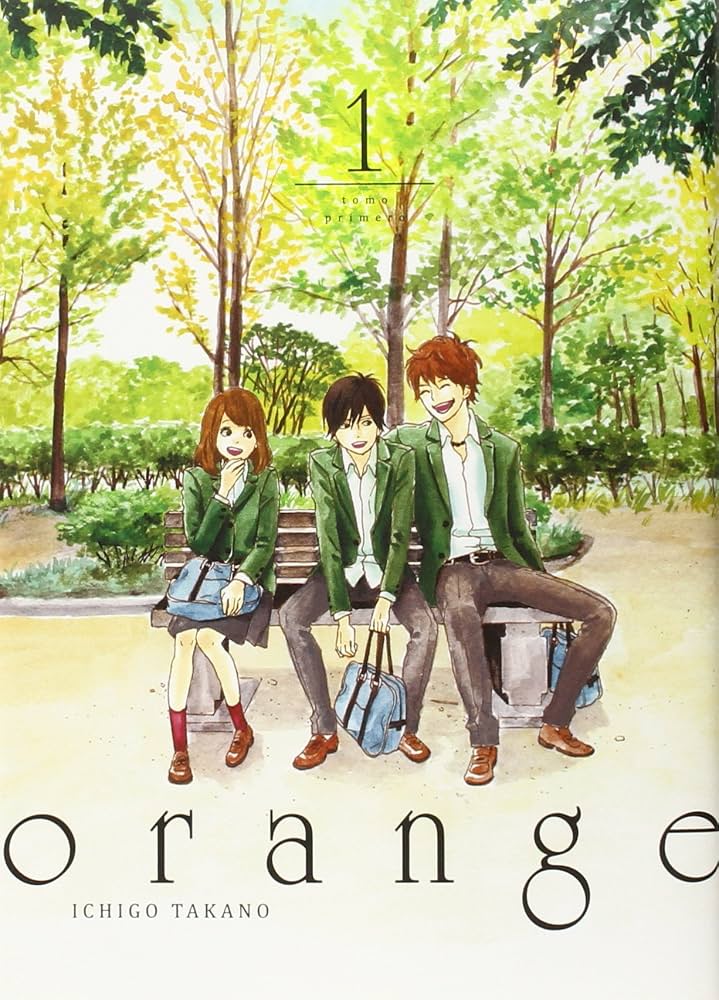
10. Orange
13 episodes
Naho receives a letter from herself ten years in the future. It describes the arrival of a new classmate, Kakeru, and asks her to change specific decisions in order to prevent something she will otherwise spend her life regretting.
Read more
The time-travel device is a frame for something more serious: depression, guilt, and the limits of what friends can do for someone who is struggling. The friendship group carries as much of the story as the romance, and the series is honest that noticing someone is suffering and knowing how to help are not the same skill.
Why watch it: Romance wrapped around regret and the wish to undo it.
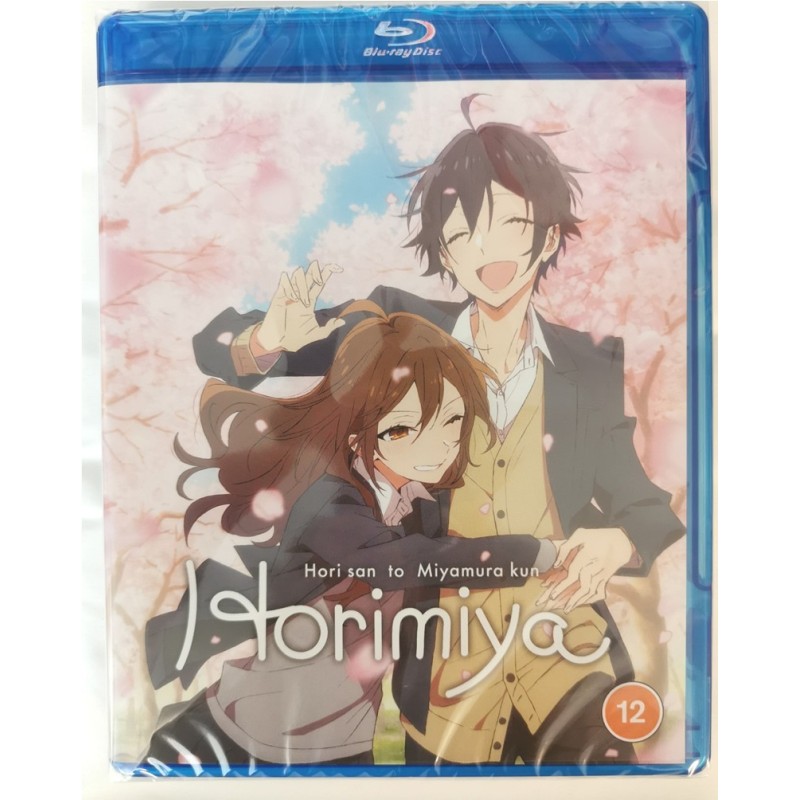
11. Horimiya
13 episodes
At school Kyoko Hori is popular and capable. Izumi Miyamura seems withdrawn and forgettable. Outside school both are somebody else entirely, and each accidentally discovers the other’s private version.
Read more
Most series in this genre treat the confession as a finish line. Horimiya crosses it early and spends its time on what a relationship is actually like — the comfort, the small negotiations, the friends orbiting it. The adaptation moves fast and skips material the manga lingers on, but the central pairing is one of the most likeable in modern anime.
Why watch it: It gets the couple together early and stays interesting anyway.

12. Lovely★Complex
24 episodes
Risa Koizumi is much taller than average. Atsushi Otani is much shorter. Their classmates treat them as a comedy act, and they mostly agree.
Read more
Underneath the height gag is a sharp story about self-consciousness and the fear of being seen as a punchline. Risa is one of the funniest and most human leads in the genre, and the series is unusually good on the gap between wanting someone and being brave enough to say so. Older than most of this list and it has aged better than most of this list.
Why watch it: A comedy about insecurity that is far more relatable than it first appears.
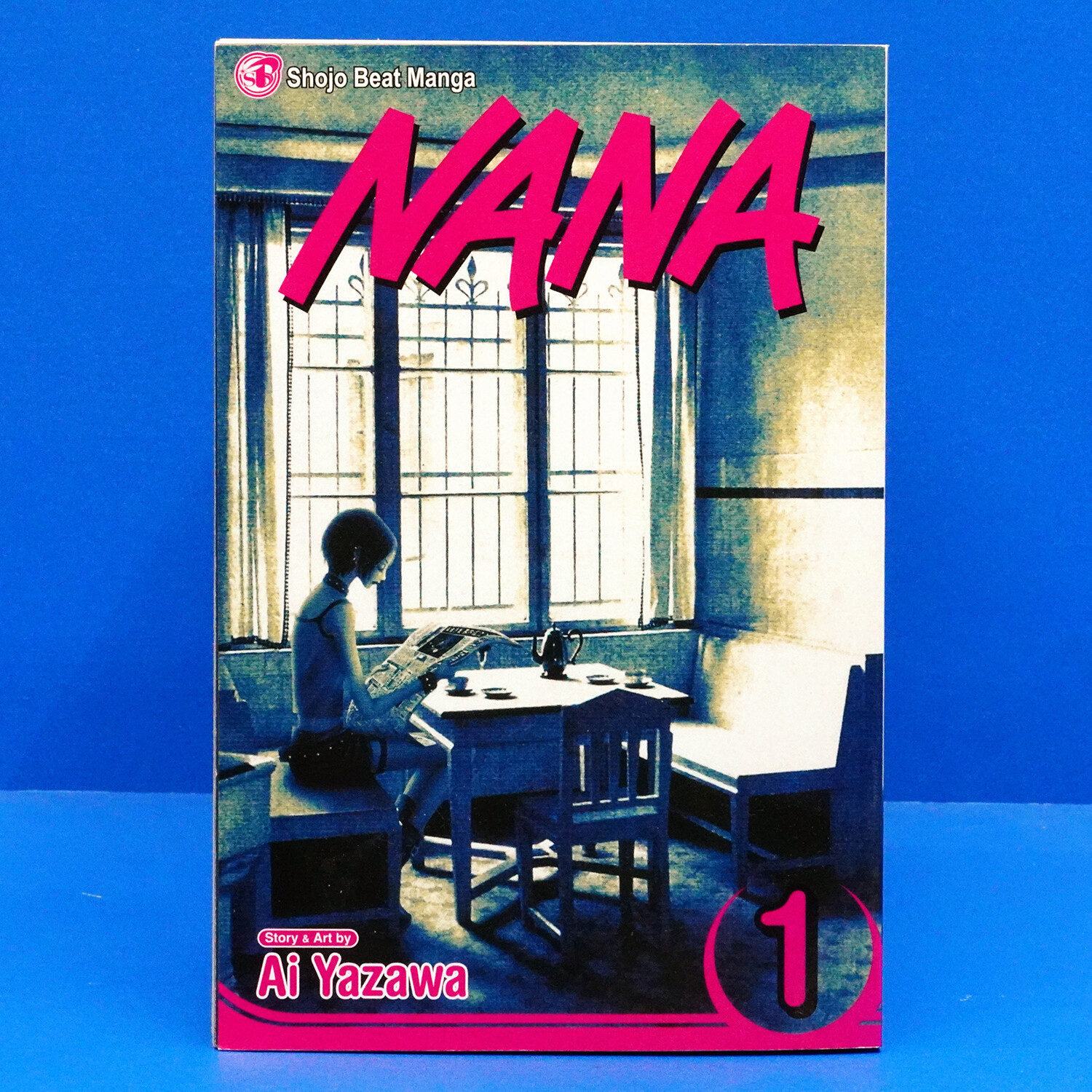
13. Nana
47 episodes
Two women named Nana meet on a train to Tokyo. Nana Osaki is a punk vocalist chasing a music career; Nana Komatsu is chasing love and stability. They end up sharing a flat.
Read more
This is not a school romance and it does not behave like one. Relationships here are messy, unequal and sometimes bad for the people in them, and the series refuses to sort its characters into right and wrong. Ambition, jealousy, friendship and dependence tangle together in a way that feels closer to actual adult life than almost anything else in the genre.
Why watch it: The most adult relationships here, in every sense.
14. The Dangers in My Heart
Two seasons
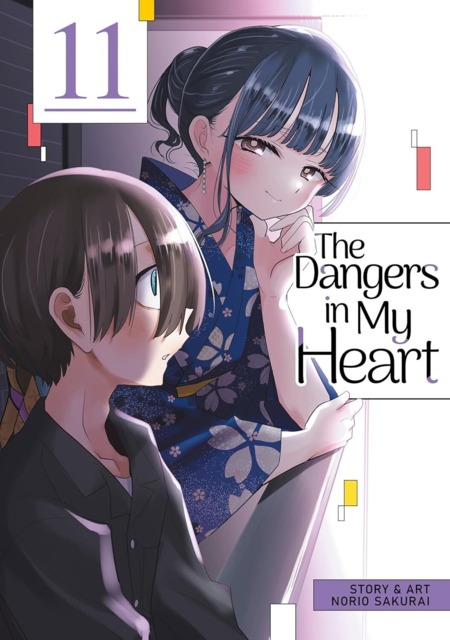
Kyotaro Ichikawa is a withdrawn middle-schooler with a violent imagination and no intention of acting on any of it. Anna Yamada is a cheerful model who keeps ending up in the same library.
Read more
It could have been a one-note gag and instead becomes an unusually precise story about growing out of the version of yourself you have been performing. Kyotaro softens by degrees, mostly through noticing things, and the series is very good at the tiny gestures that carry more weight than a confession would. One of the strongest romances of recent years.
Why watch it: The best modern example of a romance built out of small moments.
15. Bloom Into You
13 episodes
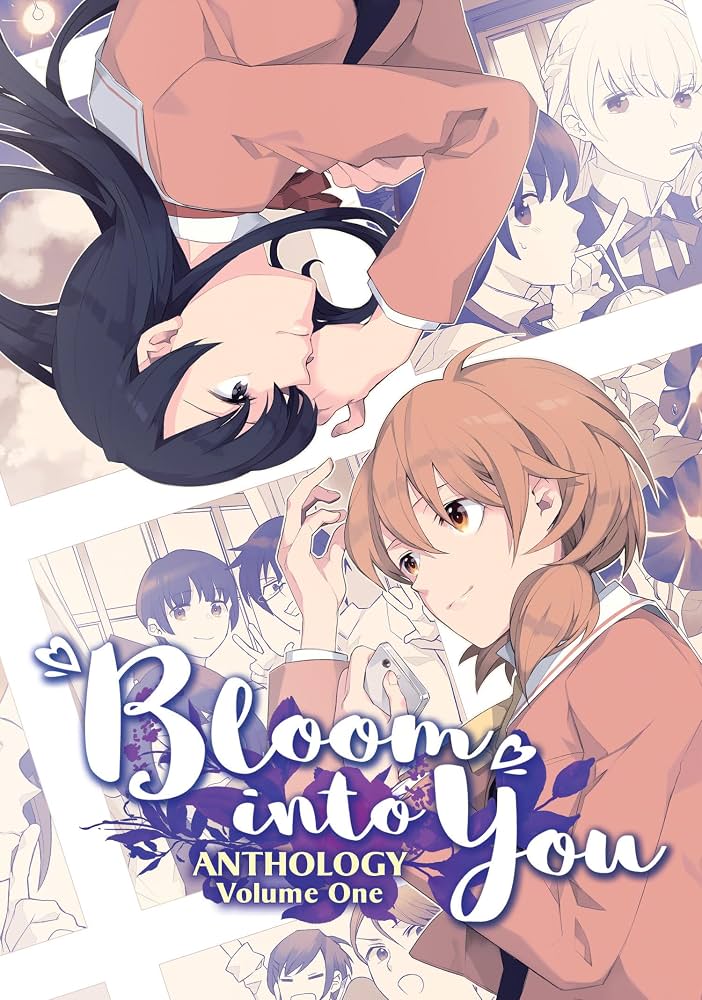
Yuu Koito has always wanted the overwhelming first love she read about. When a classmate confesses to her, nothing arrives. Then she meets Touko Nanami, the student council president — who feels it for her.
Read more
The premise is uncommonly thoughtful: it is about identity as much as attraction, and about how uneven feelings can be between two people who genuinely care for one another. Touko’s need to be the person everyone expects, and Yuu’s slow understanding of her own reactions, are handled with real care. Quiet, precise and unlike anything else on this list.
Why watch it: A romance about not feeling what you expected to feel.
16. Scum's Wish
12 episodes
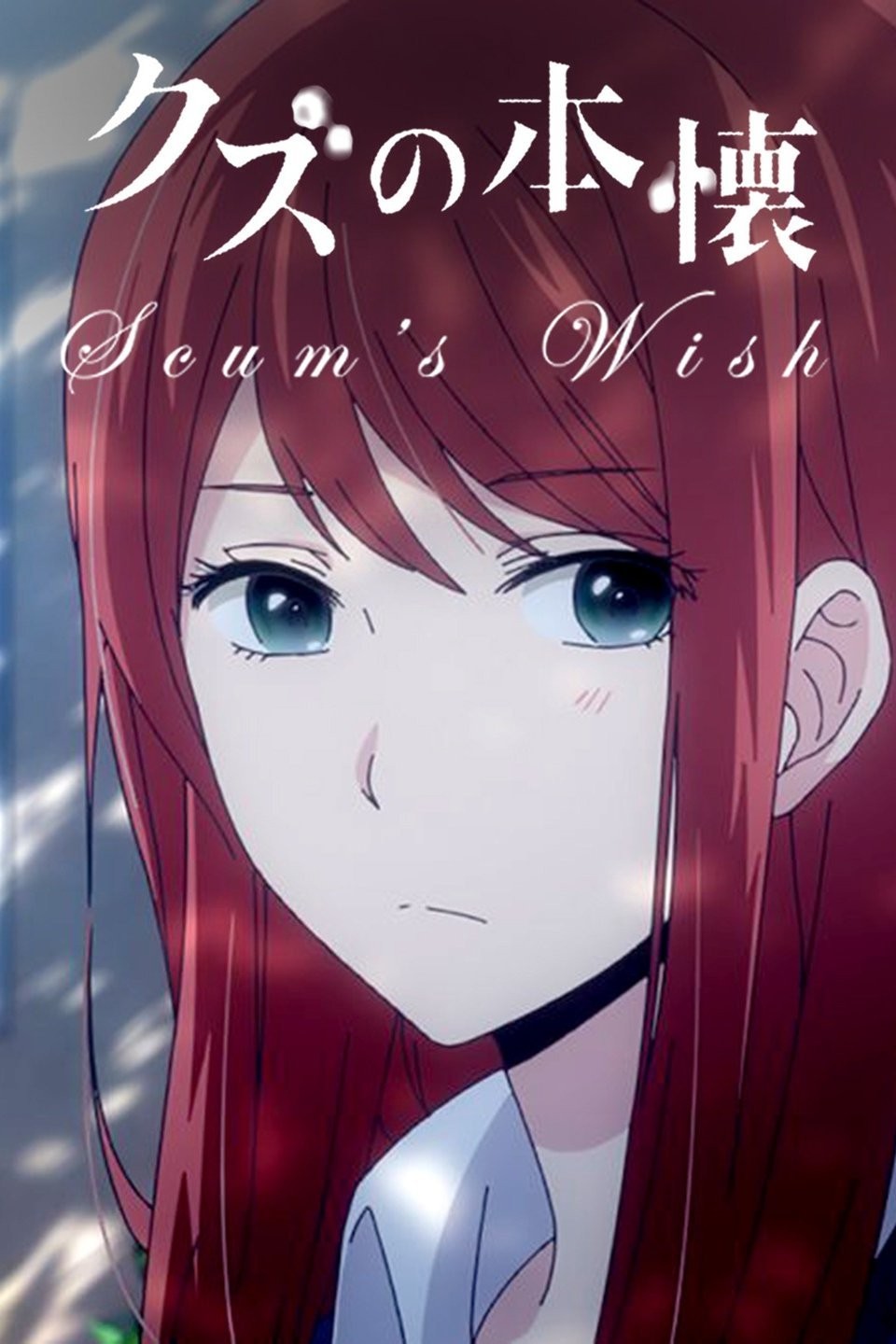
Hanabi and Mugi look like an ordinary couple. They are not. Each is in love with someone unavailable, and they are using one another as a substitute, with the arrangement understood on both sides.
Read more
This is the anti-romance of the list: a study of loneliness, longing and the things people do to avoid being alone with a feeling. Nobody behaves well. It is uncomfortable by design, and it is honest in a way the genre normally avoids — not a first pick, but the one to reach for when the wholesome options start feeling weightless.
Why watch it: Deliberately uncomfortable, and the better for it.
17. A Sign of Affection
12 episodes
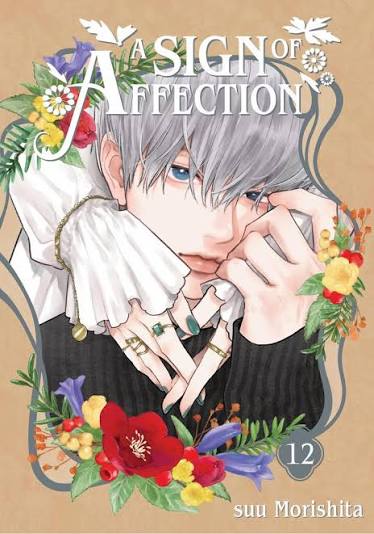
Yuki Itose is a deaf university student whose world is mostly written text and familiar routines. Itsuomi Nagi is a classmate who has travelled widely, speaks several languages, and is simply curious about her.
Read more
The obstacles here are practical rather than manufactured — communication, assumptions, the effort of meeting someone halfway. It is a gentle, adult-feeling romance where the leads talk to each other, and its depiction of deafness is handled as part of Yuki’s life rather than as her entire character.
Why watch it: A romance built on the work of understanding each other.
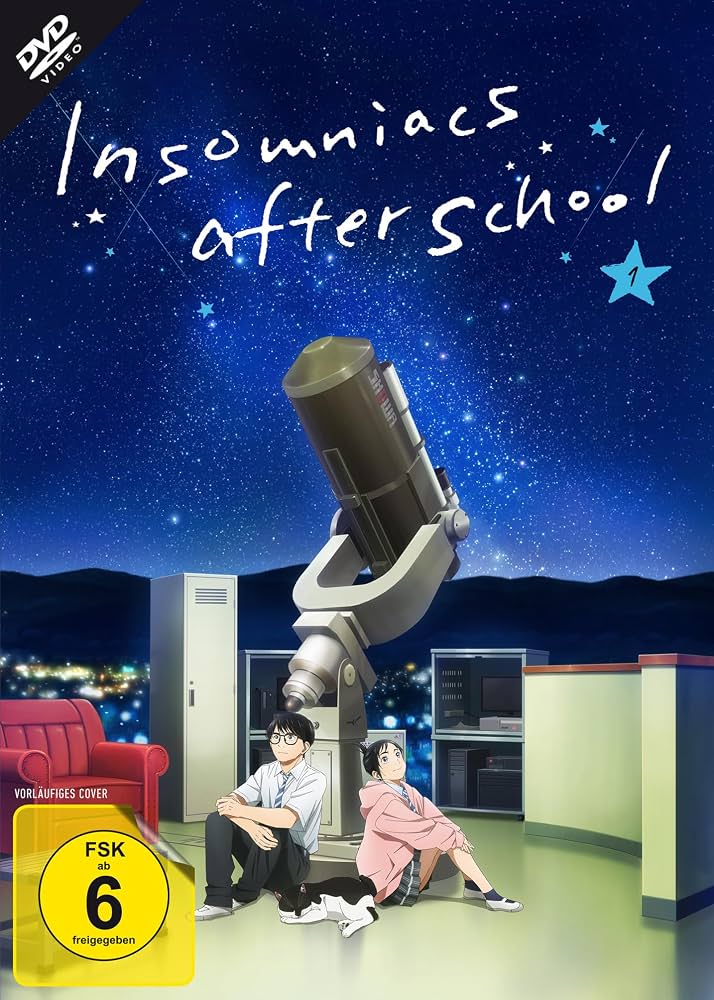
18. Insomniacs After School
13 episodes
Ganta Nakami and Isaki Magari both struggle to sleep. They find a disused observatory on the school roof and start using it as somewhere to rest, then as somewhere to be.
Read more
There is no supernatural hook and no rival to overcome. Two tired teenagers find each other’s company restful, take up astrophotography, and gradually become important to one another. The night-time atmosphere does a lot of the work, and the relationship develops with almost no drama at all — which is exactly the appeal.
Why watch it: The quietest romance here, and one of the most natural.
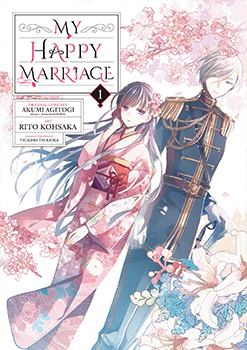
19. My Happy Marriage
12 episodes
Miyo Saimori has been treated as worthless by her own family for her entire life. She is married off to Kiyoka Kudo, an officer with a reputation for sending brides away within days.
Read more
Kiyoka turns out to be the first person to show her ordinary kindness, and the series is largely about how difficult that is to accept when you have never had it. The supernatural plot builds around it, but the centre is Miyo slowly learning she is allowed to want things. Handsomely made, and unashamedly comforting.
Why watch it: A romance about being treated well for the first time.
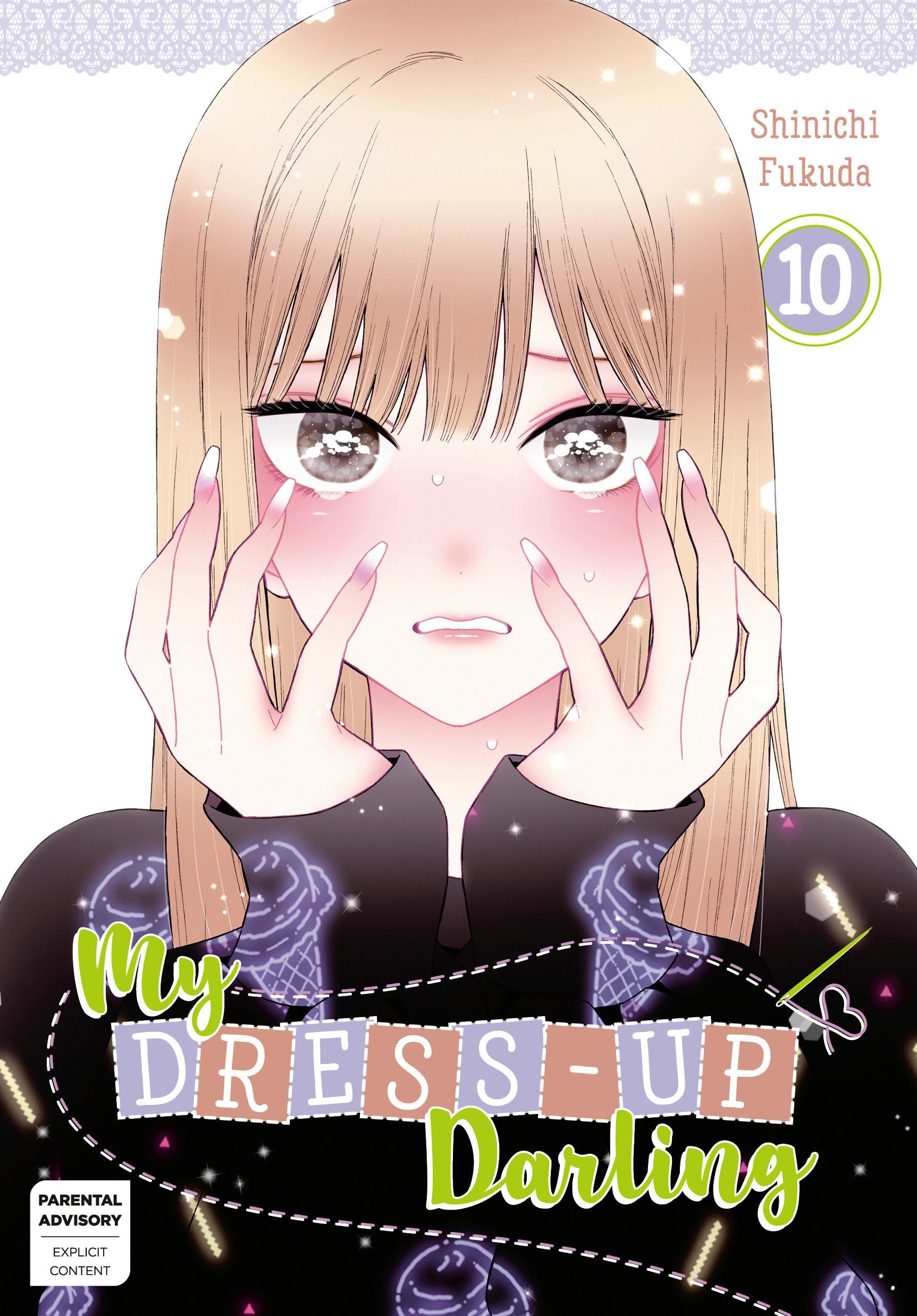
20. My Dress-Up Darling
12 episodes (season 1)
Wakana Gojo makes hina doll faces in secret and expects to be mocked for it. Marin Kitagawa is loud, popular, and needs someone who can sew.
Read more
The cosplay premise matters less than the dynamic underneath it: Marin never once treats Wakana’s craft as strange, and he extends her the same courtesy. It is a romance about enthusiasm, and about how quickly a person becomes attractive when they take your interests seriously. Warm, funny, and considerably sweeter than its reputation suggests.
Why watch it: Two people taking each other’s obsessions completely seriously.
Best romance anime by category
Nobody is in the mood for every kind of romance at once. Pick by what you actually want tonight.
| Category | Watch |
|---|---|
| Best romantic comedy | Kaguya-sama: Love Is War |
| Best wholesome romance | Kimi ni Todoke |
| Best heartbreaking romance | Your Lie in April |
| Best school romance | Toradora! |
| Best modern romance | The Dangers in My Heart |
| Best adult relationships | Nana |
| Best romance film | I Want to Eat Your Pancreas |
| Best fantasy romance | My Happy Marriage |
| Best quiet romance | Insomniacs After School |
| Best uncomfortable romance | Scum's Wish |
Ten romance anime to watch first
New to the genre, or coming back to it? These ten are the safest entry points on the list.
- Toradora!
- Kaguya-sama: Love Is War
- Fruits Basket
- Horimiya
- Your Lie in April
- Kimi ni Todoke
- The Dangers in My Heart
- My Dress-Up Darling
- A Sign of Affection
- My Happy Marriage
Frequently asked questions
What is the best romance anime of all time?
Toradora! is the most common answer and the one this list lands on. Its reputation rests on patience: the leads spend most of the series misunderstanding themselves, so the ending feels like something they arrived at rather than something the plot handed them.
What is the best romance anime for beginners?
Horimiya or My Dress-Up Darling. Both are short, both are funny, and both get the couple together early instead of stretching the will-they-won’t-they across an entire season.
Which romance anime will make me cry?
Your Lie in April, Clannad: After Story and I Want to Eat Your Pancreas are the three that come up most. If you want more of that, our ranking of the saddest anime ever made covers it properly.
Are there romance anime where the couple gets together early?
Yes, and they are often the better ones. Horimiya, Rascal Does Not Dream of Bunny Girl Senpai and My Happy Marriage all establish the relationship early and spend their time on what comes after it.
What is the best romance anime with adult characters?
Nana. It deals with careers, money, jealousy and dependence rather than confessions at the school gate, and it is honest that people who love each other can still be bad for each other.
Final thoughts
The best romance anime are rarely the ones with the biggest confessions. More often it is a character remembering a small detail about someone else, two people sitting together saying nothing, or an admission that took twenty episodes to arrive.
And sometimes it is the harder version: two people who care about each other deeply and still do not get the ending you wanted. That range is why the genre holds up.
More rankings: the top 100 best anime of all time, the saddest anime ever made, and the best anime to watch in 2026.
What is your favourite romance anime?
Toradora!? Kaguya-sama? Fruits Basket? Your Lie in April? Horimiya? Nana? Or the one this list missed entirely — the story that actually made you feel something? Tell us in the comments.