
An anime opening has ninety seconds to make you want the next twenty minutes. The best of them do considerably more than that — they set a tone, hide information, or escape the series entirely and become the thing people know it by.
This ranking weighs the song, the sequence, how well the two fit the story, and how much of it survived outside the fandom. Nostalgia counts, because pretending it does not would be dishonest.
What is the best anime opening of all time?
“Tank!” from Cowboy Bebop. It is the only opening here that needs no context at all — no plot, no characters, no explanation — and it has not aged a day in more than twenty-five years.
For modern creativity, KICK BACK. For a song that outgrew its series, Unravel. For sheer cultural reach, A Cruel Angel’s Thesis. The full ranking of 20 is below.
- Openings Ranked
- 20
- Oldest Entry
- 1989
- Judging Criteria
- 5
- Series Listed Twice
- 3
How these are ranked
Five things decide a position: whether the song stands alone, what the sequence does visually, how closely it connects to the story, how quickly you recognise it, and what it means to the people who grew up with it. An opening that scores on one of those can still place; one that scores on four ends up near the top.
Three series appear twice with different songs — Attack on Titan, Death Note and Naruto Shippuden — because in each case the two openings are doing genuinely different jobs at different points in the story. No series appears three times.
One editorial note. The draft this grew from was titled as 30 entries and repeated ten of them. Tank!, Unravel and Again each appeared three separate times, and four more appeared twice, which leaves 20 distinct openings. Its closing summary table also disagreed with its own body ordering. Every opening is kept once here, at its highest placement, and the list is renumbered 1 to 20.
The 20 best anime openings
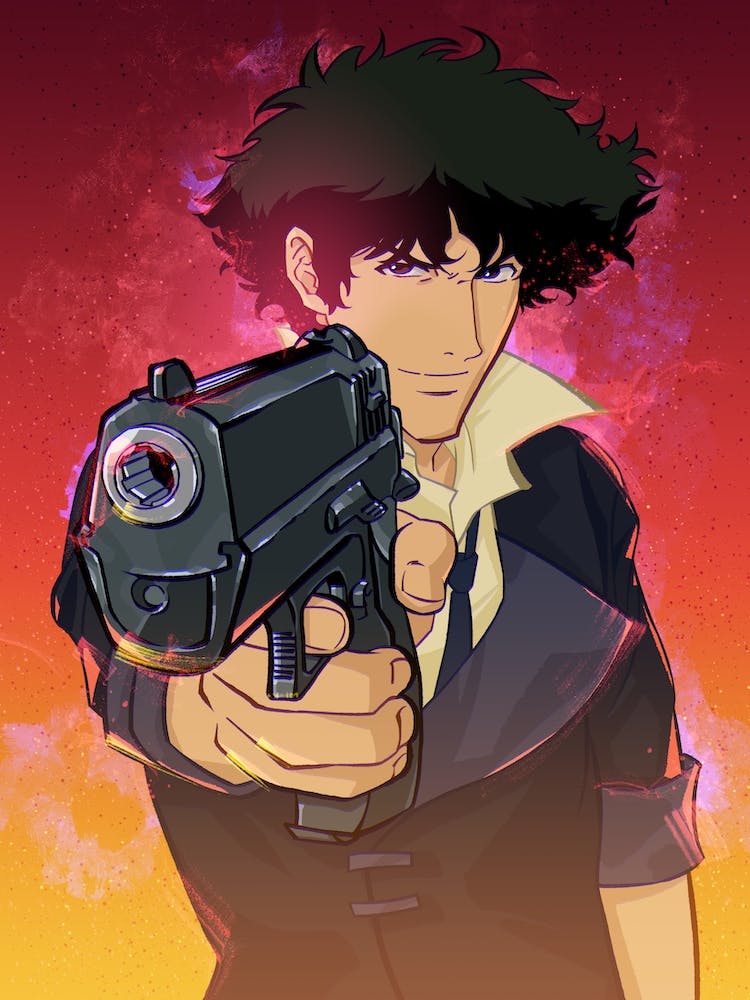
1. “Tank!”
Seatbelts
Big band jazz, hard cuts, coloured silhouettes and typography that behaves like a title card from a 1960s crime film. Ninety seconds, no plot, no dialogue, no explanation.
Read more
It works because it is not trying to sell you the story. Almost every other opening on this list shows you characters and hints at conflicts; Tank! establishes a tone and trusts you to follow. Yoko Kanno wrote a piece that stands entirely on its own as music, and the sequence is edited to the horns rather than to the narrative. More than twenty-five years on it has not dated, because nothing about it was chasing a trend in the first place.
Why it lands: Not an introduction to a series so much as an introduction to an attitude.
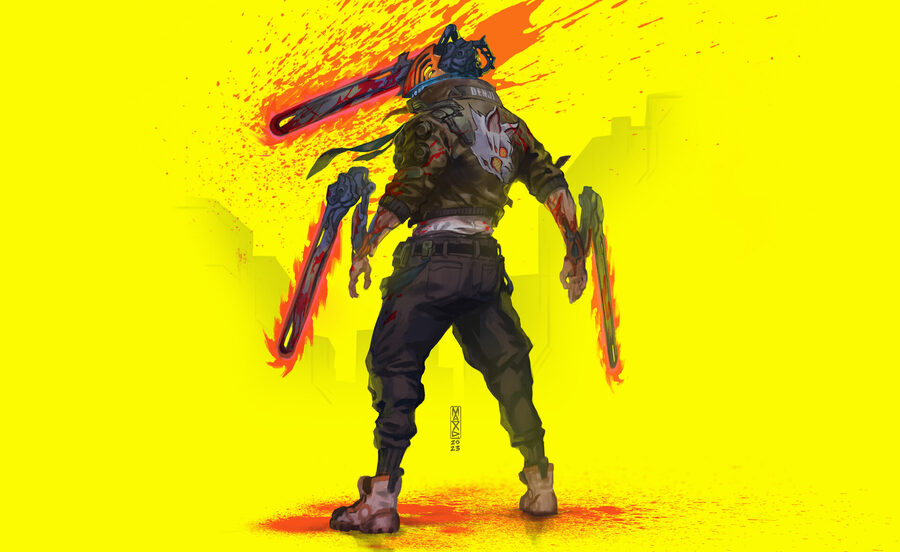
2. “KICK BACK”
Kenshi Yonezu
Kenshi Yonezu’s song became a genuine chart hit, and the sequence packs in references to dozens of films — each cut restaging a famous shot with the cast dropped into it.
Read more
It is doing something almost no other opening attempts: telling you what the series’ sense of humour is before a single episode plays. The references are not decoration, they are the joke, and the joke is that Chainsaw Man treats cinema history the way Denji treats everything else. Stylish, violent and very funny, sometimes within the same second.
Why it lands: A shot-for-shot film-reference reel that doubles as a character introduction.
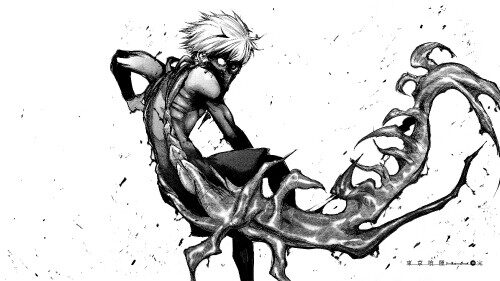
3. “Unravel”
TK from Ling Tosite Sigure
TK’s vocal is strained to the point of breaking, which is precisely the point — the song is Kaneki’s internal state rather than a description of the plot.
Read more
Very few anime songs have escaped their series this completely. It has been covered, remixed and performed to death, and it survives all of it because the performance is genuinely raw rather than stylised as raw. The sequence pairs it with Kaneki fracturing and reassembling, which is the whole first season compressed into ninety seconds.
Why it lands: The song that became shorthand for anime itself outside the fandom.
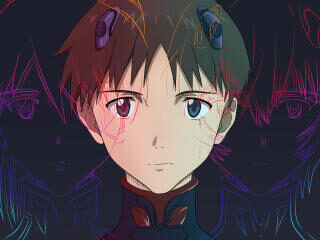
4. “A Cruel Angel's Thesis”
Yoko Takahashi
An upbeat, almost triumphant pop song attached to one of the bleakest series ever made. The contrast was deliberate and it has never stopped working.
Read more
It is a karaoke standard in Japan, a stadium singalong, and the answer most non-fans give if you ask them to name an anime song. The sequence is dense with symbolism — the Sephirot, the cross, Shinji framed alone — almost none of which makes sense on a first viewing and all of which does later. Longevity like this is not something a production can plan for.
Why it lands: Three decades old and still the most recognisable anime song in the world.
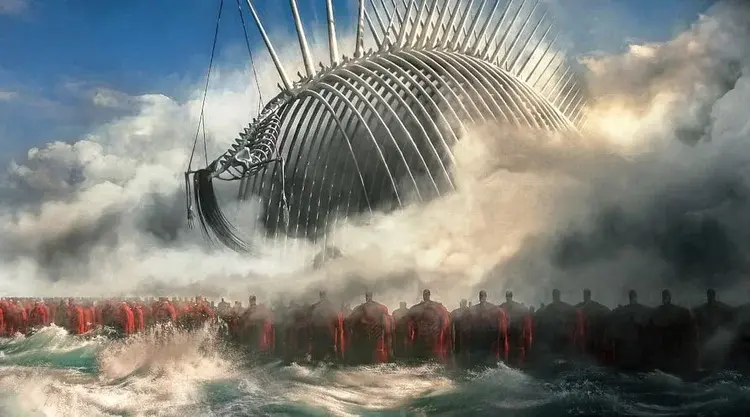
5. “Guren no Yumiya”
Linked Horizon
A German-inflected military march with a choir behind it, over the Survey Corps assembling against something they clearly cannot beat.
Read more
It arrived at exactly the right moment and defined what a hype opening sounded like for the next decade. The rhythm is a march, the vocals are declamatory, and the visuals are built around scale — small people, enormous enemies. Hearing the opening bars still produces a physical response in people who watched it week to week, which is the highest compliment an opening can earn.
Why it lands: The opening that made an entire generation sit up in 2013.
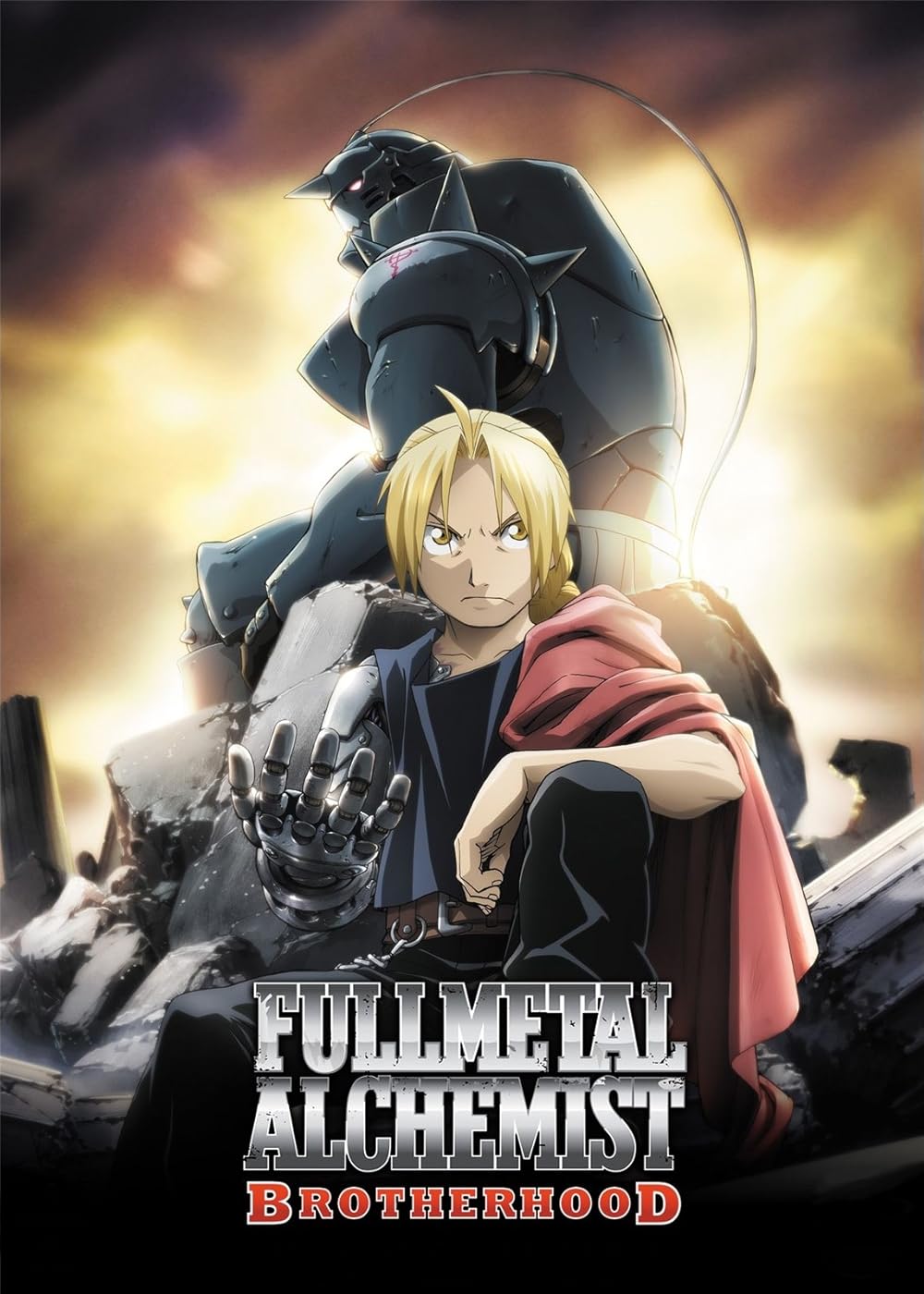
6. “Again”
YUI
YUI’s vocal carries something rueful under the energy, and the sequence moves between the Elrics’ adventure and the thing that started it.
Read more
What makes it exceptional is economy. In ninety seconds you understand that this is a story about two brothers, that something went badly wrong, that the world is large and dangerous, and that the tone will swing between adventure and grief. Openings usually manage one of those. It also has one of the cleanest transitions in the medium, cutting on the beat into the episode proper.
Why it lands: The best single summary of a series that any opening has managed.
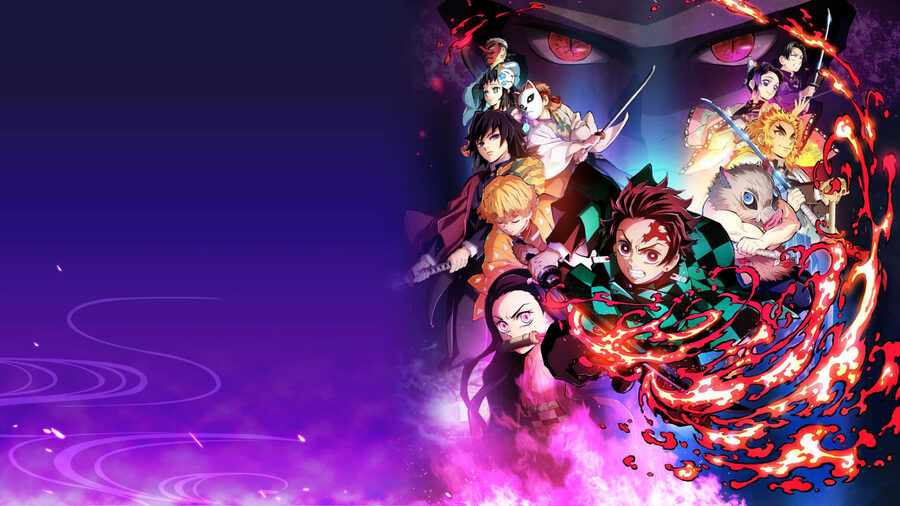
7. “Gurenge”
LiSA
LiSA at full power over ufotable at full budget. The visuals showcase the animation the series became famous for, and the vocal does not let up for the entire run.
Read more
It became a phenomenon in its own right — chart-topping, endlessly covered, and for a period genuinely inescapable. The sequence is more conventional than most of the top ten, showing characters and hinting at fights, but it executes the convention better than almost anyone. Tanjiro’s determination is the whole emotional register and the song matches it exactly.
Why it lands: The song that carried Demon Slayer into the mainstream worldwide.
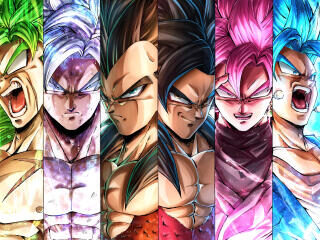
8. “Cha-La Head-Cha-La”
Hironobu Kageyama
Relentlessly cheerful, faintly nonsensical, and welded permanently to a generation’s memory of Saturday mornings.
Read more
Influence is the argument here rather than craft. For millions of people worldwide this was the first anime song they ever heard, frequently in a dubbed and re-recorded local version, and it has been re-released, remixed and re-performed for over thirty years. The sequence is dated in the way only late-eighties animation can be, and that is a large part of the appeal.
Why it lands: The most culturally embedded anime theme of them all.
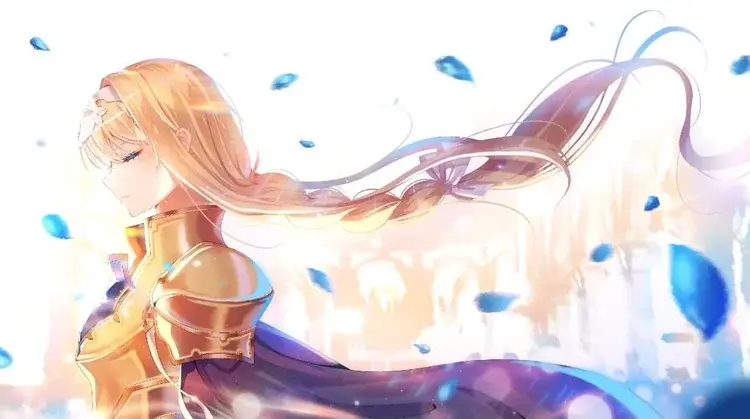
9. “Crossing Field”
LiSA
Kirito and Asuna against an enormous floating castle, with a chorus engineered for maximum singalong.
Read more
Whatever people now think of the series, this opening defined a moment. It is the sound of the early 2010s isekai boom, and it made LiSA a headline artist rather than a session vocalist — which is why she also appears at number seven on this list. The imagery of a vast virtual world with two small figures in it is still the best pitch the franchise has made.
Why it lands: The opening that made LiSA an anime-music institution.
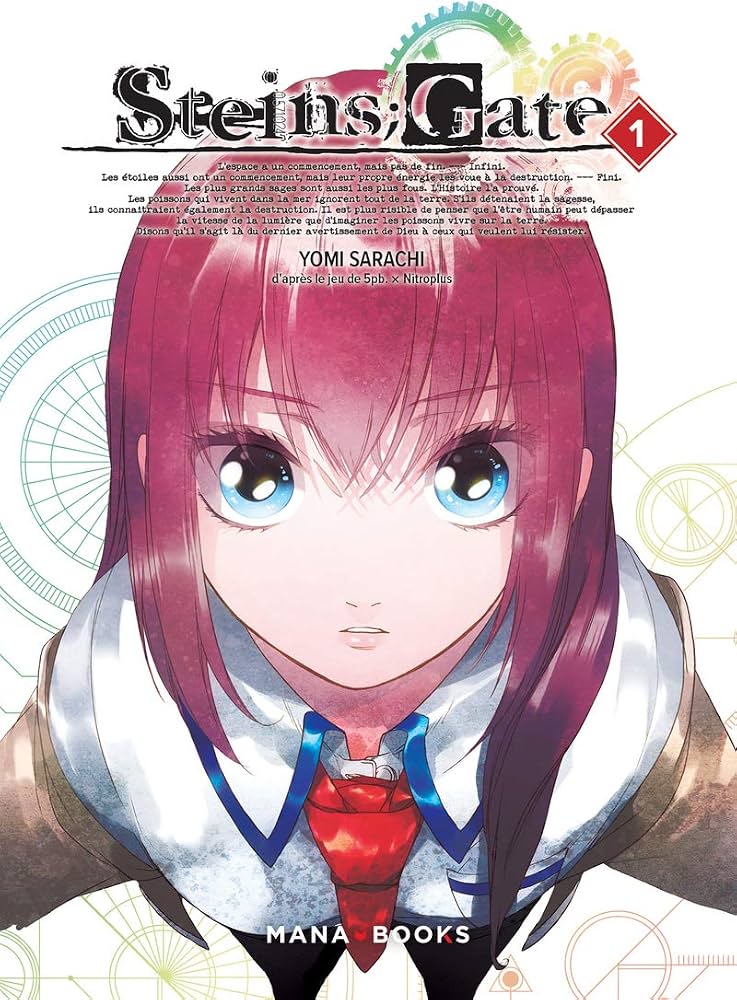
10. “Hacking to the Gate”
Kanako Itou
Clock faces, static, a woman falling, and a rhythm that sounds like something counting down. On a first viewing it is atmospheric; afterwards it is a spoiler you did not notice.
Read more
This is the best foreshadowing on the list. Nearly every image in the sequence corresponds to something specific, and the series is structured so that you cannot possibly decode them in advance. Rewatching the opening after the finale is a genuinely different experience — and few openings can claim that the sequence itself becomes a piece of the story.
Why it lands: An opening that changes meaning once you have finished the series.
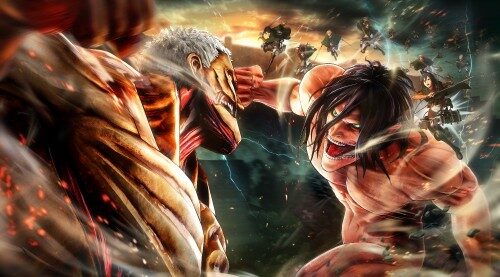
11. “The Rumbling”
SiM
A Japanese reggae-punk band delivering something closer to metalcore, over imagery of the destruction Eren has set in motion.
Read more
The contrast with Guren no Yumiya is the point. That opening was humanity assembling to fight; this one is humanity being walked over. It is heavier, uglier and much less triumphant, and it correctly refuses to make the final arc feel heroic. SiM were an unexpected choice and it turned out to be exactly right.
Why it lands: The sound of a series that no longer resembles what it started as.
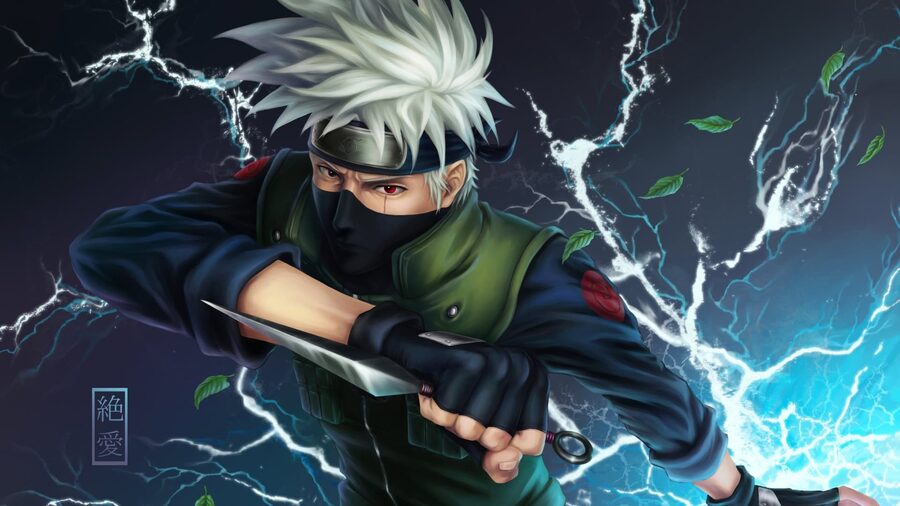
12. “Blue Bird”
Ikimono-gakari
Bright, fast, and carrying a real undertow of longing beneath the energy — which is the Naruto Shippuden emotional register in one song.
Read more
It is the opening people reach for when they want to feel fifteen again. The imagery of feathers and open sky against a series largely about loss and separation gives it a bittersweet quality most shonen openings do not attempt. Ikimono-gakari were already a major band, and this remains the song most listeners associate with them.
Why it lands: The most nostalgic opening of the Big Three era.
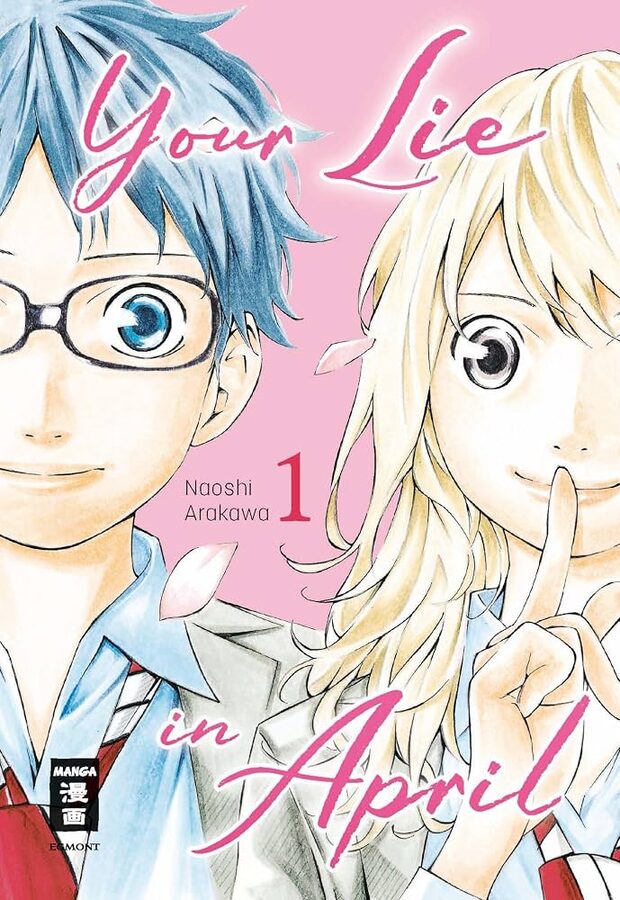
13. “Hikaru Nara”
Goose house
A folk-pop ensemble over colour-saturated visuals of Kousei, Kaori and their friends, all of it looking like the best summer of someone’s life.
Read more
The opening does not hint at what is coming, and that is the design. It sells youth, music and possibility for eleven episodes and then keeps playing, unchanged, while the series moves somewhere else entirely. By the final stretch the cheerfulness has become almost unbearable, which is a trick very few openings pull off simply by staying the same.
Why it lands: Bright, warm, and considerably more painful once you know the ending.
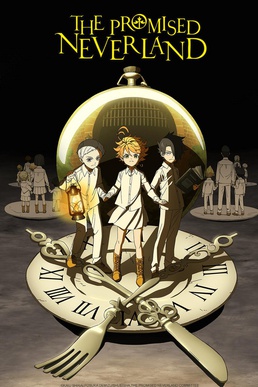
14. “Touch Off”
UVERworld
The song is all forward momentum and the visuals are all running — three children moving towards something they cannot see, through a house that keeps rearranging itself.
Read more
It fits a series that is fundamentally about escape planning under observation. The sequence also hides a considerable amount: symbols, silhouettes and framing choices that mean something specific by the end of the season. UVERworld deliver exactly the kind of driving rock the material needs, without ever sounding triumphant.
Why it lands: Urgency as a design brief.
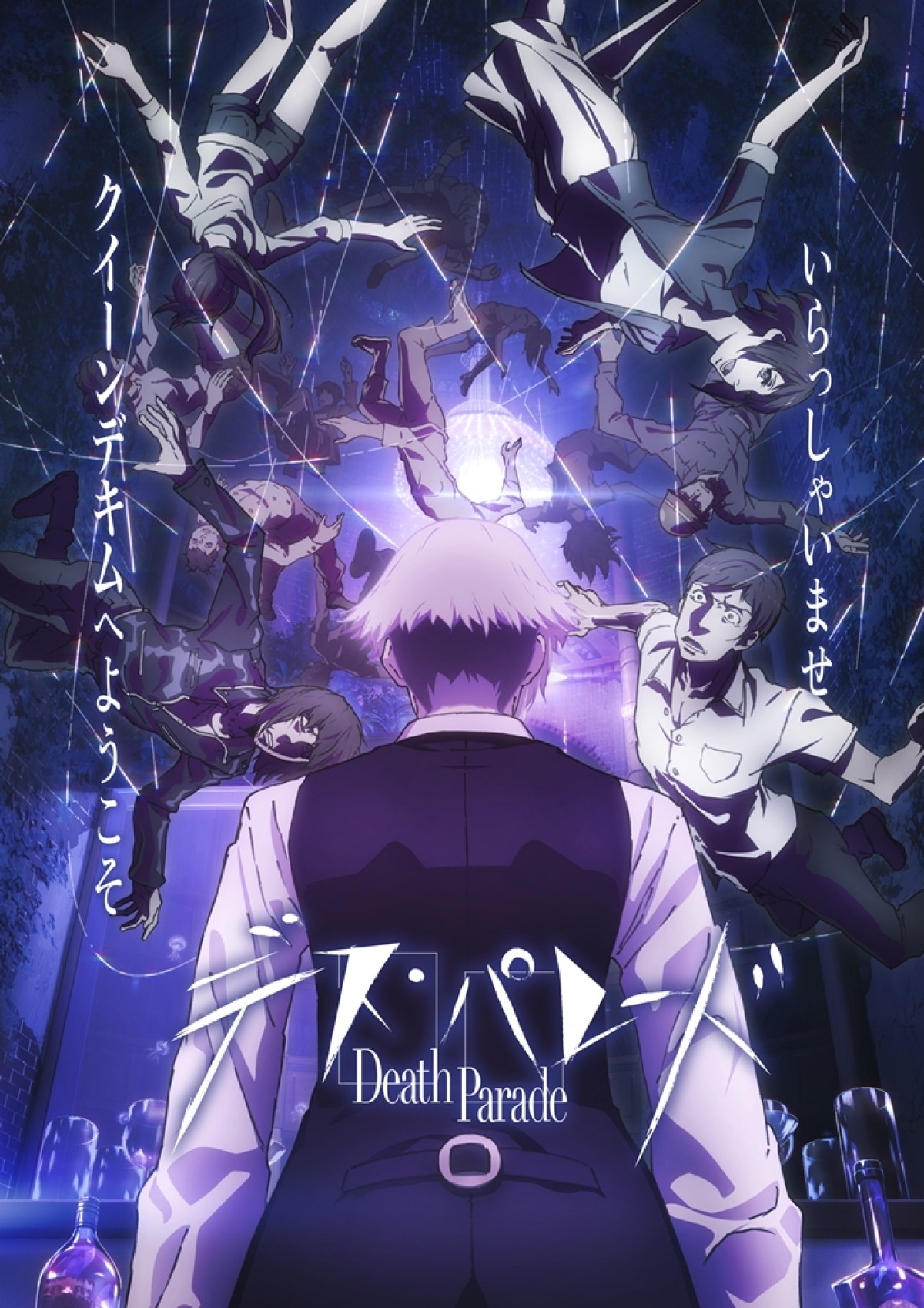
15. “Flyers”
BRADIO
A disco-funk track over the entire cast dancing joyfully in a bar. The series is about the dead being judged, and it is relentlessly bleak.
Read more
The mismatch is deliberate and it is the best joke in anime openings. Watching the cast dance before an episode about someone’s worst moment being replayed to them produces a specific kind of unease no straight-faced opening could manage. It is also, separately, an excellent song — which is why it escaped the series and became a staple.
Why it lands: The most misleading opening ever attached to an anime, on purpose.
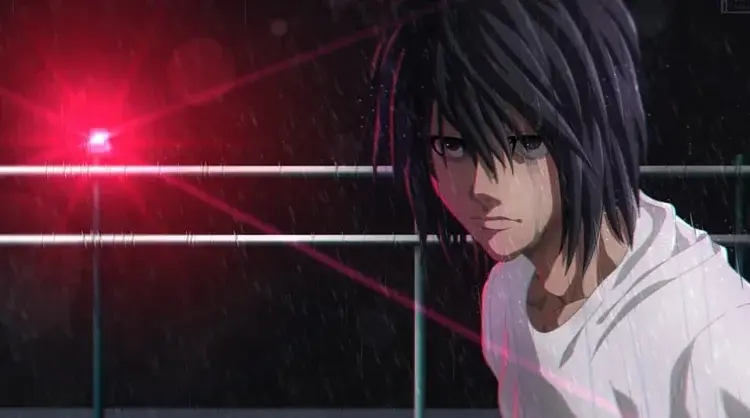
16. “The WORLD”
Nightmare
Religious imagery, red and black, Light framed as a messiah figure while the music does everything short of shouting the theme at you.
Read more
Subtlety is not attempted and is not wanted. The opening announces that this is a story about a young man who decides he is God, and it does so with enough operatic conviction to make the melodrama feel earned rather than silly. It set the visual template that a decade of psychological thrillers borrowed from.
Why it lands: Gothic theatre that tells you exactly what you are about to watch.
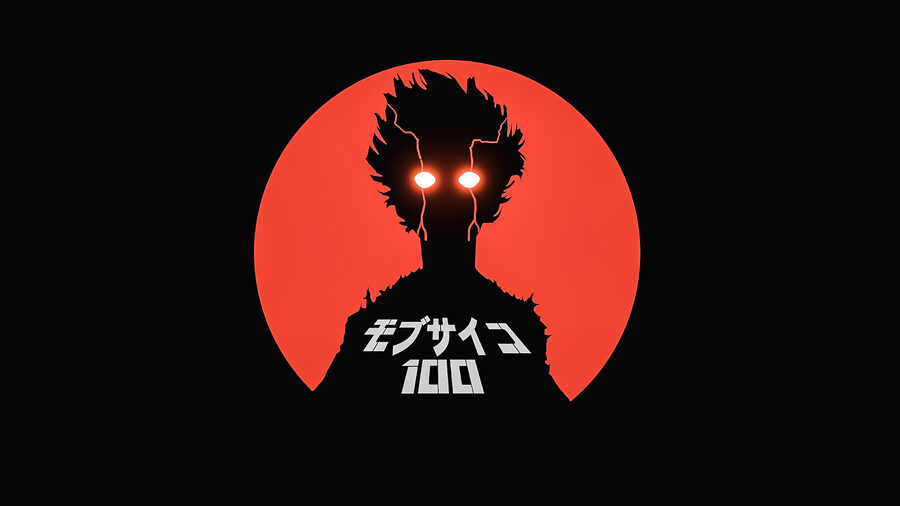
17. “99”
MOB CHOIR
The animation changes technique constantly — paint-on-glass, rotoscope, pencil tests, digital — and never holds a style long enough to settle.
Read more
It is the most technically restless opening on this list and the only one where the medium is the message. Mob Psycho is a series about enormous power held by someone determined not to use it, and the opening communicates that by being visually overwhelming while the boy at the centre stays completely still. Studio Bones effectively used it as a showreel, and earned it.
Why it lands: Ninety seconds of a studio showing you everything it can do.
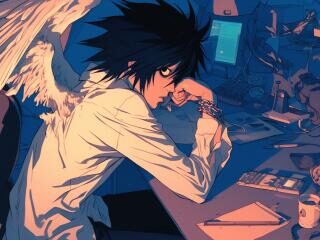
18. “What's Up, People?!”
Maximum the Hormone
Screamed vocals and a hardcore riff replacing the gothic melodrama of the first opening, over imagery that has become genuinely unpleasant.
Read more
Swapping a theatrical goth-rock opening for something this abrasive halfway through was a strange decision and completely the right one. By this point Light is no longer a student with a notebook, and the series needed an opening that stopped being stylish about it. Divisive on release and increasingly well regarded since.
Why it lands: The most aggressive opening ever attached to a mainstream hit.
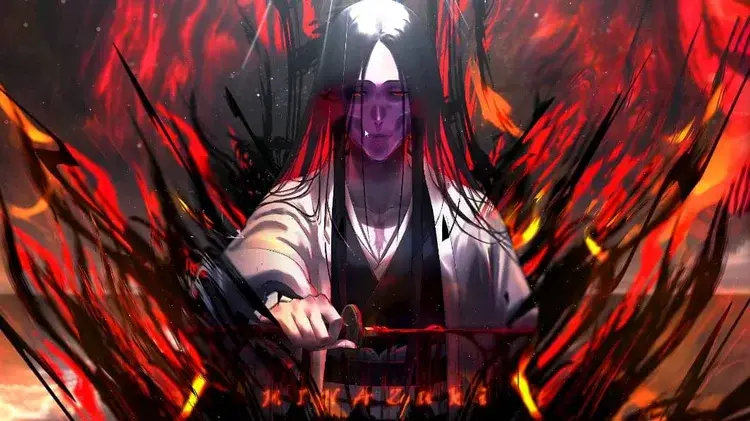
19. “Asterisk”
Orange Range
Bright, brash and slightly chaotic, with the character shots and rapid cuts that defined the era’s house style.
Read more
It is a period piece and that is exactly why it endures — hearing it puts people straight back into a specific window of the 2000s when Bleach, Naruto and One Piece were the entire conversation. Orange Range were everywhere at the time, and the song is the sound of a genre at its most confident.
Why it lands: Peak mid-2000s shonen opening energy.
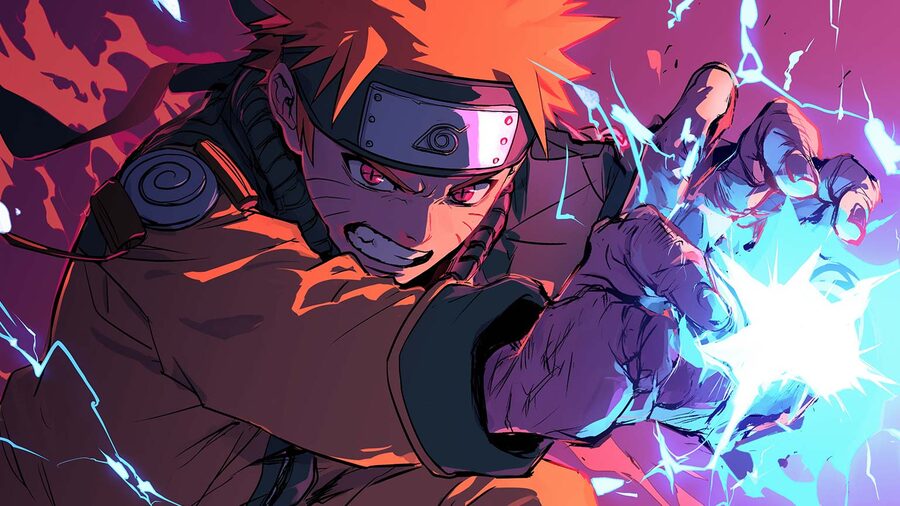
20. “Silhouette”
KANA-BOON
KANA-BOON’s guitar-pop over the cast during the Fourth Great Ninja War, by which point most of these characters have been on screen for a decade.
Read more
It arrives late enough that the nostalgia is built in: the audience has grown up with these people, and the opening quietly leans on that rather than trying to establish anything. The result is one of the most beloved openings of the series’ back half, and a reminder that an opening can succeed purely by knowing where the audience already is.
Why it lands: A late-run opening that earns its place on emotional weight rather than novelty.
Best anime openings by category
| Category | Opening |
|---|---|
| Best jazz opening | Tank! — Cowboy Bebop |
| Best rock opening | KICK BACK — Chainsaw Man |
| Best hype opening | Guren no Yumiya — Attack on Titan |
| Best emotional opening | Hikaru Nara — Your Lie in April |
| Best nostalgic opening | Blue Bird — Naruto Shippuden |
| Best foreshadowing | Hacking to the Gate — Steins;Gate |
| Best dark opening | What's Up, People?! — Death Note |
| Most creative | 99 — Mob Psycho 100 |
| Most misleading | Flyers — Death Parade |
| Biggest cultural reach | A Cruel Angel's Thesis — Evangelion |
What makes an anime opening great?
The song
It has to work with the picture turned off. Unravel, Gurenge and KICK BACK all became hits outside their series, which is the clearest possible test.
The visuals
The sequence should make you want to watch the episode, and the best of them hide information about characters and events you cannot decode yet.
Story connection
A montage of cool shots is not an opening. The strongest here communicate the tone, the stakes or the theme before the story begins.
Memorability
Recognisable within a couple of seconds. That is the difference between an opening you watch once and one you never skip.
Emotion
Partly unearned, and it counts anyway. When and where you first heard something shapes it permanently, which is why no two people have the same number one.
Frequently asked questions
What is the most famous anime opening?
A Cruel Angel’s Thesis from Neon Genesis Evangelion. It is a karaoke standard in Japan and the song most non-fans name if asked for an anime theme, three decades after it first aired.
What is the best anime opening song on its own?
Unravel, KICK BACK and Gurenge all charted well beyond the anime audience. Tank! is the strongest as pure music, though it is instrumental and works differently.
Which anime opening has the best foreshadowing?
Hacking to the Gate from Steins;Gate. Almost every image corresponds to something specific, and none of it is decodable before the finale — rewatching the opening afterwards is a genuinely different experience.
Why do some series have more than one opening on this list?
Because their openings do different jobs. Guren no Yumiya is humanity assembling to fight; The Rumbling is humanity being walked over. Same series, opposite arguments.
Do anime openings still matter now that streaming has a skip button?
The skip button is arguably why the good ones matter more. An opening now has to earn the ninety seconds against a button designed to remove it, and the ones on this list routinely do.
Final thoughts
There is no objectively correct number one here, and the reason is in the fifth criterion. An opening becomes yours because of where you were the first time you heard it, and no amount of craft analysis outranks that.
Which is why these are not really intros. They are songs attached to memories — a few bars is enough to put someone back in front of a specific screen on a specific evening, years later.
More rankings: the top 100 best anime of all time, the best dark fantasy anime, and the saddest anime ever made.
What is your number one opening?
Tank!? Unravel? Guren no Yumiya? Blue Bird? Or something this list missed entirely? Tell us in the comments — and be honest about how many you actually skip.